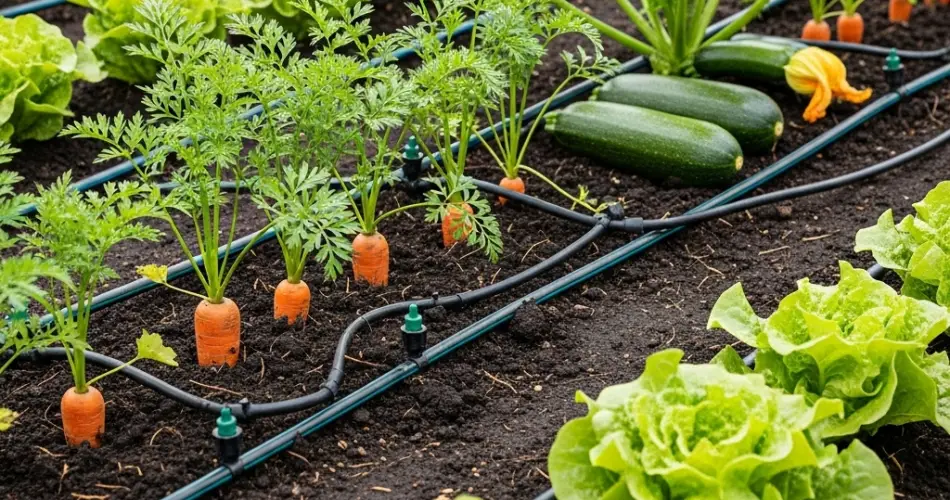
Keeping your garden well-watered is essential for healthy plants, but standing outside with a hose every day can quickly become time-consuming and inefficient—especially during hot weather or in a large garden. That’s where DIY drip irrigation comes in. It’s one of the most effective, water-saving methods to ensure your plants get the moisture they need directly at the roots, where they need it most.
Even better? You don’t need to invest in expensive systems or spend hours setting it up. With just a plastic bottle and a few household tools, you can create a fully functional drip irrigation system in under a minute.
Let’s dive into this simple, affordable solution that will save you time, reduce water waste, and keep your garden thriving.
Why Choose Drip Irrigation?
Drip irrigation delivers water slowly and directly to a plant’s root zone. This method minimizes evaporation, prevents runoff, and ensures that moisture penetrates deeply into the soil, encouraging strong root systems. Compared to overhead watering (like sprinklers or hoses), drip irrigation is more efficient, reduces disease, and helps prevent weeds by keeping the soil surface dry.
And you don’t need a fancy system to get started. Even a repurposed plastic bottle can do the job beautifully.
Materials You’ll Need
-
A plastic water bottle (1- or 2-liter works well)
-
A small nail or needle
-
A candle or lighter (for heating the nail)
-
A knife or scissors
-
Water
-
Optional: A piece of cloth or mesh for filtering
That’s it! You probably have everything you need already.
Step-by-Step Guide to DIY Bottle Drip Irrigation
Step 1: Prepare the Bottle
Remove any labels from your plastic bottle and rinse it thoroughly. If you’re reusing an old soda bottle, be sure to remove any sugary residue.
Step 2: Create the Holes
Using a small nail or needle, carefully poke 4–6 holes near the bottom of the bottle. For best results, heat the nail with a lighter before poking—it will go through the plastic more easily and create cleaner holes.
The number and size of the holes will determine the flow rate. Test one or two bottles to find the best setup for your soil type and plant needs.
Step 3: Cut Off the Bottom (Optional)
You can cut the bottom off the bottle to make refilling easier, especially if you plan to leave the top open for rainwater or manual refilling.
If you prefer a sealed system, leave the bottle intact and fill it through the cap.
Step 4: Bury the Bottle
Dig a hole near the base of your plant, deep enough to bury the bottle up to the neck or just above the holes. Place the bottle upright, holes facing downward or slightly outward toward the root zone.
Backfill the soil around the bottle to hold it in place.
Step 5: Fill and Monitor
Fill the bottle with water and observe the drip rate. You should see a slow, steady release of water into the soil. If the water drains too fast or too slow, adjust the hole size or number.
For added filtration, place a small piece of cloth or mesh over the bottle opening to keep debris and insects out.
When and Where to Use DIY Drip Bottles
This simple system is perfect for:
-
Tomatoes, peppers, and eggplants
-
Cucumbers and zucchinis
-
Lettuce and leafy greens
-
Raised beds or containers
-
Dry or sandy soil where water drains quickly
Use it in areas with limited rainfall, or during vacation times when you can’t water regularly. It’s also great for slow-feeding liquid fertilizers, letting nutrients seep in gradually.
Benefits of Bottle Drip Irrigation
-
Saves time: Fill and go—no daily watering required.
-
Reduces water waste: Water goes directly to the roots.
-
Supports plant health: Less risk of fungal diseases from wet foliage.
-
Improves soil conditions: Encourages deeper root growth.
-
Costs nothing: Reuse plastic bottles and household items.
Plus, it’s eco-friendly—turning trash into a helpful gardening tool.
Bonus Tips for Success
-
Use several bottles for large plants or rows.
-
Add compost tea, diluted fertilizer, or banana peel water to the bottle for feeding.
-
Check the drip rate weekly to make sure the holes aren’t clogged.
-
In sandy soil, fewer or smaller holes work best; in clay soil, you might need larger holes to ensure flow.
Final Thoughts
This quick and easy DIY drip irrigation system proves that sometimes the simplest solutions are also the most effective. In just one minute, you can set up a smart watering system that keeps your garden consistently hydrated, reduces your workload, and promotes strong, healthy growth.
Whether you’re a beginner gardener or a seasoned pro, this low-cost method is a must-try—especially during the hotter months when plants need regular watering to thrive.
Start saving time and water today by giving your plants the slow, steady care they love—with nothing more than a recycled bottle and a minute of your time.


