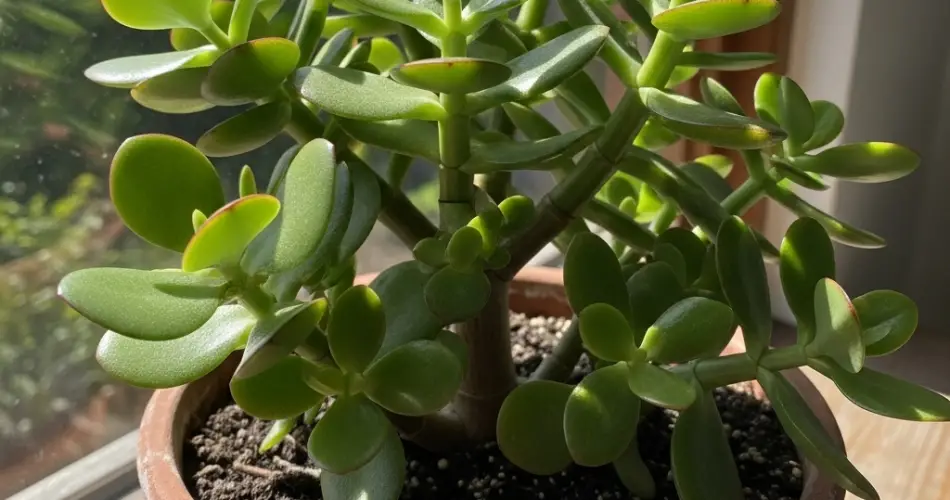
The jade plant (Crassula ovata) is a beloved succulent often associated with good fortune, prosperity, and resilience. With its fleshy, oval-shaped leaves and sturdy woody stems, this plant has become a favorite in homes and offices. While it is generally low-maintenance, one of the key aspects of keeping a jade plant healthy is providing the right amount of water. Proper hydration is especially important for developing strong stems, as both under- and overwatering can compromise the plant’s structure and long-term growth.
In this guide, you’ll learn essential hydration tips to help your jade plant thrive with sturdy stems and lush foliage.
Why Proper Hydration Matters
Jade plants store water in their leaves and stems, which allows them to survive dry conditions. However, this adaptation also makes them sensitive to watering mistakes. If the plant receives too much water, the roots can rot, leading to weak stems that collapse under the weight of the leaves. On the other hand, too little water can cause stems to shrivel, leaves to drop, and growth to stall.
Striking the right balance ensures that the plant develops thick, woody stems capable of supporting its dense foliage for years.
The Right Way to Water a Jade Plant
1. Use the Soak-and-Dry Method
The best approach to watering a jade plant is the soak-and-dry method. Water the plant thoroughly until excess flows out of the drainage holes, then allow the soil to dry almost completely before watering again. This cycle mimics the natural conditions jade plants experience in their native environment, where rainfall is sporadic followed by dry periods.
2. Check the Soil Before Watering
Instead of watering on a fixed schedule, always test the soil first. Insert your finger about two inches deep into the potting mix. If it feels dry, the plant is ready for water. If it is still moist, wait a few days before checking again. This prevents overwatering, which is the most common cause of weak stems and root rot.
3. Adjust for Seasons
Jade plants grow actively during spring and summer, requiring more frequent watering. In fall and winter, their growth slows down, and they need significantly less water. During this dormant period, overwatering is particularly harmful, so reduce the frequency accordingly.
The Role of Soil and Drainage
Watering alone won’t keep a jade plant healthy if the soil and pot don’t allow proper drainage. Use a succulent or cactus soil mix designed for fast drying. You can also create your own mix by combining regular potting soil with coarse sand or perlite to improve aeration.
Choose a pot with drainage holes, ideally made of terracotta, which helps excess moisture evaporate more quickly. Avoid decorative pots without holes, as waterlogged soil is the fastest way to damage your jade plant’s roots and weaken its stems.
Strengthening Stems Through Hydration Balance
When properly hydrated, jade plants gradually develop woody stems that can support their thick leaves. If the plant receives too much water, the stems remain soft and prone to bending or breaking. By following the soak-and-dry method, the plant is encouraged to grow sturdier stems over time.
Hydration also affects leaf health. Plump, glossy leaves are a sign of adequate watering, while wrinkled or shriveled leaves signal dehydration. Paying attention to these signs can help you adjust your watering routine before the stems suffer.
Complementing Watering with Light and Pruning
Although water is vital for stem strength, it is not the only factor. Light and pruning also play important roles. Place your jade plant in a spot with bright, indirect sunlight for at least four to six hours daily. Sufficient light ensures that the plant uses water effectively and promotes strong, compact growth. Without enough light, stems stretch, become thin, and are more likely to topple, even if you water correctly.
Pruning is another way to encourage sturdy stems. By trimming leggy branches, you redirect energy to the plant’s core structure, helping it thicken and strengthen. Combine careful watering with regular pruning and ample sunlight for the best results.
Common Watering Mistakes to Avoid
-
Watering on a strict schedule: Jade plants don’t follow a calendar. Always check the soil before watering.
-
Letting the pot sit in water: Standing water at the bottom of the pot suffocates the roots and weakens stems.
-
Using heavy soil: Dense soil retains too much moisture, creating the perfect environment for root rot.
-
Ignoring seasonal needs: Watering in winter the same way you do in summer can quickly lead to problems.
Final Thoughts
A thriving jade plant with strong, woody stems is the result of balanced care, and hydration is at the center of it. By adopting the soak-and-dry method, using well-draining soil, and adjusting watering frequency with the seasons, you can maintain healthy roots and stems that support lush, glossy foliage.
When paired with sufficient light, proper pruning, and the right potting conditions, these hydration techniques ensure that your jade plant grows sturdy and resilient, living up to its reputation as a symbol of prosperity and endurance.


