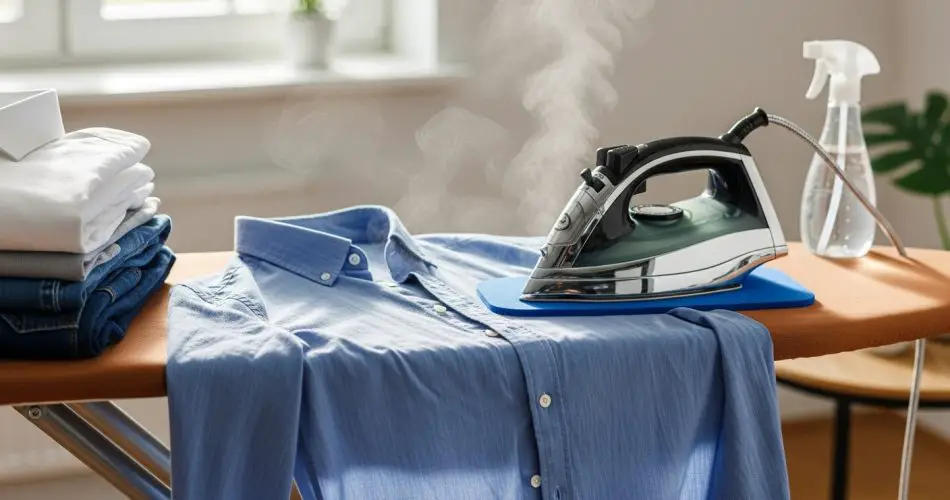
The iron is one of those household appliances that almost everyone owns and uses regularly. Whether you iron every piece of clothing right after doing the laundry or only smooth out wrinkles just before wearing your favorite shirt, this appliance plays an essential role in keeping us looking neat and presentable. However, few people realize how much energy the iron consumes—or how much money can be saved by simply choosing the right time of day to use it.
In this article, we’ll take a closer look at how much electricity an iron consumes, why energy prices are rising so sharply, and which hours of the day are best for ironing if you want to reduce your power bill significantly.
How Much Power Does an Iron Use?
The energy consumption of an iron depends mainly on its power rating, which is measured in watts. Not all models are the same—some are designed for professional results and therefore have higher wattage, while others are lighter and more energy-efficient.
On average, most household irons fall within the 2,000 to 2,600-watt range. This means that if you iron continuously for one hour, you could be spending between €0.50 and €1.00 per hour, depending on your electricity rate. While this may not sound like much at first, the costs can quickly add up if you iron frequently or use other high-energy appliances at the same time.
An iron is considered a high-consumption appliance because it requires a lot of energy to heat up and maintain a constant temperature. Steam irons, which are now the most common, tend to use even more energy since they need to heat water as well. Every minute you spend with the iron switched on has a direct effect on your electricity bill.
Why Electricity Costs Are Increasing
In recent years, Italy and much of Europe have faced a severe energy crisis, causing electricity prices to soar. According to recent data, the average increase in energy bills is around 54%, a shocking rise that has made households much more conscious of their daily consumption.
The reasons behind this increase are complex: global market instability, reduced gas supplies, and the higher cost of energy imports all contribute to the problem. As a result, every appliance we use—from the washing machine to the oven and the iron—now weighs more heavily on our monthly budget.
In this situation, learning to use energy wisely becomes a necessity rather than a choice. Adopting small, sustainable habits can make a significant difference over time. One of the easiest yet most effective ways to save money is to choose the right time to use your appliances, including the iron.
The Importance of Timing When Using Household Appliances
Electricity providers often divide the day into time-of-use tariffs, meaning that energy costs vary depending on the time of day. These tariffs typically include:
-
Peak hours (F1) – when electricity is most expensive, usually during working hours when demand is highest.
-
Off-peak hours (F2) – the intermediate rate, generally during late afternoon or early evening.
-
Super off-peak hours (F3) – when electricity is cheapest, usually at night and early in the morning when demand is lowest.
To take advantage of these lower rates, you should check what type of energy contract you have. Some contracts charge the same rate 24 hours a day, while others offer significant savings if you use electricity during off-peak periods. If you’re on a variable-rate plan, the difference can be substantial.
The Best Time to Iron and Save Money
Even without knowing the exact details of your energy contract, studies show that the cheapest and most energy-efficient time to iron is between 7:00 p.m. and 8:00 a.m. During these hours, overall energy demand drops significantly, which not only lowers your cost but also helps reduce pressure on the power grid.
If you’re used to ironing in the afternoon, consider switching your routine to the evening. Starting around 7 p.m., you’ll already begin to benefit from reduced energy prices. For those who prefer to iron early, mornings before 8 a.m. also offer a great opportunity to save.
This time window—between 7 p.m. and 8 a.m.—covers thirteen hours of potential savings. Not only will your iron consume less costly electricity, but you’ll also be helping to make energy use more balanced across the day.
Another advantage of ironing in the evening is comfort: the temperatures tend to be cooler, especially in summer, making the task less tiring. You can also plan your ironing right after dinner or while watching TV—turning it into a more relaxing evening activity rather than a stressful weekend chore.
Extra Tips for Reducing Ironing Costs
In addition to choosing the right time, there are a few simple tricks that can further reduce energy consumption:
-
Iron clothes while they’re still slightly damp. They smooth out more easily, so you’ll spend less time with the iron turned on.
-
Sort your laundry by fabric type. Start with delicate items that require lower temperatures, then move to thicker fabrics. This avoids unnecessary heating and cooling.
-
Use the residual heat. Turn off the iron a few minutes before finishing—there will still be enough heat to smooth out lighter fabrics.
-
Keep the soleplate clean. Dirt or limescale buildup reduces heat efficiency, forcing the iron to consume more power.
-
Avoid small daily ironing sessions. Instead of turning on the iron every day, gather all your items and iron once or twice a week to make the most of the heat.
Final Thoughts
Ironing is one of those tasks that can’t be avoided, but with a few smart habits, it doesn’t have to come with a heavy electricity bill. The key lies in timing and efficiency—using your iron during the hours when energy demand (and cost) is lower, ideally between 7:00 p.m. and 8:00 a.m., and adopting practices that shorten your ironing time.
By paying attention to when and how you use your household appliances, you can significantly reduce your energy expenses while also contributing to a more sustainable and responsible use of electricity. A simple change in your daily routine could lead to substantial savings every month—and a lighter, more eco-friendly way to live.