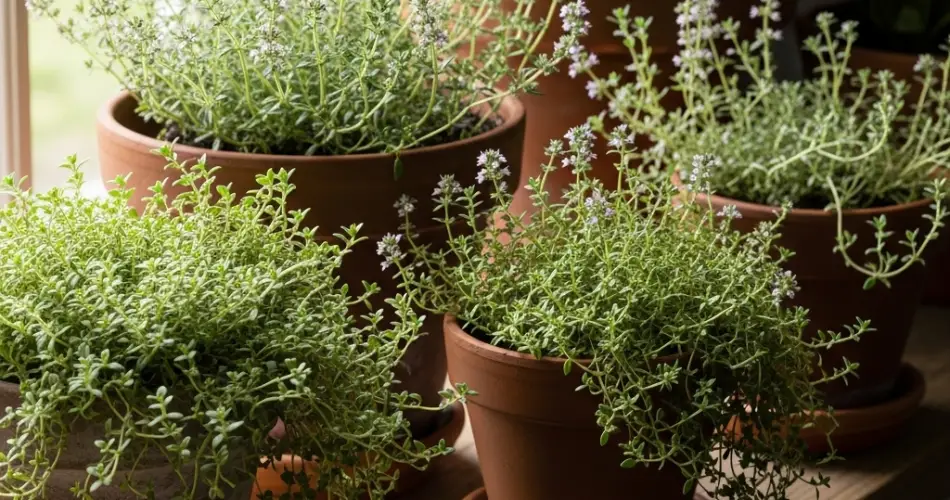
Thyme is a beloved Mediterranean herb that adds both flavor and fragrance to countless dishes. Known for its earthy, slightly minty taste, thyme is an essential ingredient in roasted meats, stews, and herbal teas. Beyond its culinary uses, it is also valued for its medicinal qualities and delightful aroma. Luckily, thyme adapts beautifully to container gardening, making it an ideal herb to grow indoors, even in small or cozy living spaces.
Growing thyme indoors ensures that you have a steady supply of fresh sprigs throughout the year, no matter the weather outside. With a bit of planning, the right container, and some basic care, thyme can thrive on a sunny windowsill or in a small kitchen herb garden.
Why Choose Thyme for Indoor Gardening?
Thyme is one of the easiest herbs to grow indoors. It is drought-tolerant, resilient, and does not demand frequent attention. Unlike some herbs that can quickly become fussy indoors, thyme adapts well to container life and requires only moderate care. Its compact size also makes it perfect for tight spaces, whether you live in an apartment or a house with limited gardening areas.
Another advantage is that thyme pairs well with many other culinary herbs. You can grow it alongside rosemary, oregano, or sage in a shared container, creating a miniature Mediterranean herb garden right inside your home.
Choosing the Right Container
When growing thyme indoors, the container you select plays a major role in its long-term success.
-
Size: A container that is about 15–20 cm deep and wide is enough for one thyme plant. Since thyme does not have an overly large root system, it thrives in moderately sized pots.
-
Material: Terracotta pots are a favorite because they allow for good air circulation and help prevent soil from becoming waterlogged. Ceramic or plastic pots also work well, as long as they provide proper drainage.
-
Drainage: Thyme does not tolerate standing water. Always choose a pot with drainage holes at the bottom to protect the roots from rotting.
Soil Requirements
Thyme loves light, well-draining soil that reflects the dry, rocky regions of its native habitat. A suitable indoor potting mix can be made by combining:
-
Standard potting soil as a base.
-
Sand, perlite, or coarse grit to improve drainage.
-
A small amount of organic matter such as compost for nutrients.
The key is to avoid heavy soils that hold too much moisture. A loose and airy soil mix will keep the roots healthy and strong.
Light and Temperature Needs
Like many Mediterranean herbs, thyme thrives in full sun. Indoors, this means placing your container in the brightest spot available. A south-facing window is ideal, as thyme needs at least 6 hours of direct sunlight daily. If natural light is limited, supplement with a small grow light to ensure the plant continues to thrive.
Temperature-wise, thyme enjoys warmth but is adaptable. It grows best in average indoor room temperatures, ideally between 15–24°C. Keep it away from cold drafts or heating vents that can stress the plant.
Watering and Care
Thyme’s drought-tolerant nature makes it one of the easiest herbs to manage indoors. It prefers slightly dry soil over constantly moist conditions.
-
Water only when the top 2–3 cm of soil feels dry.
-
Be careful not to overwater, as thyme is prone to root rot in soggy soil.
-
Use a saucer under the pot to catch excess water, but empty it after watering.
During the growing season, you can lightly fertilize thyme once a month with a diluted organic fertilizer. Avoid over-fertilizing, as this can reduce the intensity of its flavor.
Harvesting Indoor Thyme
One of the greatest joys of growing thyme indoors is having a ready supply of fresh leaves for cooking. Harvesting is simple and encourages healthy growth.
-
Begin harvesting once the plant is about 15 cm tall.
-
Snip stems just above a pair of leaves to encourage branching.
-
Avoid cutting more than one-third of the plant at once, so it has energy to regrow.
If the plant starts to flower, pinch off the blooms to keep the leaves flavorful.
Long-Term Maintenance
Thyme is a perennial herb, which means it can live for several years with the right care. To keep it productive indoors:
-
Trim the plant regularly to prevent it from becoming woody.
-
Repot every couple of years to refresh the soil and give the roots space.
-
In late winter or early spring, prune back old stems to encourage fresh new growth.
With consistent care, your thyme plant will remain vigorous and provide fresh sprigs year-round.
Creating a Cozy Indoor Herb Garden
Thyme is wonderful on its own, but it can also be part of a larger indoor container herb garden. Pair it with other sun-loving herbs like rosemary, oregano, or sage in a wide container. This not only saves space but also creates a fragrant and useful display. If you’re short on room, thyme’s compact size makes it an excellent solo plant for small pots on a kitchen shelf or windowsill.
Conclusion
Thyme is a perfect herb for indoor container gardening, especially in cozy spaces where every inch counts. Hardy, compact, and full of flavor, thyme can adapt to limited space while rewarding you with aromatic sprigs for cooking throughout the year. With well-draining soil, plenty of sunlight, and careful watering, this Mediterranean herb will thrive indoors, brightening both your kitchen and your recipes.
Even in the smallest apartments or homes, thyme proves that you don’t need a big garden to enjoy the benefits of fresh herbs. With just a little care, you can create a thriving indoor thyme plant that brings warmth, fragrance, and flavor into your everyday life.


