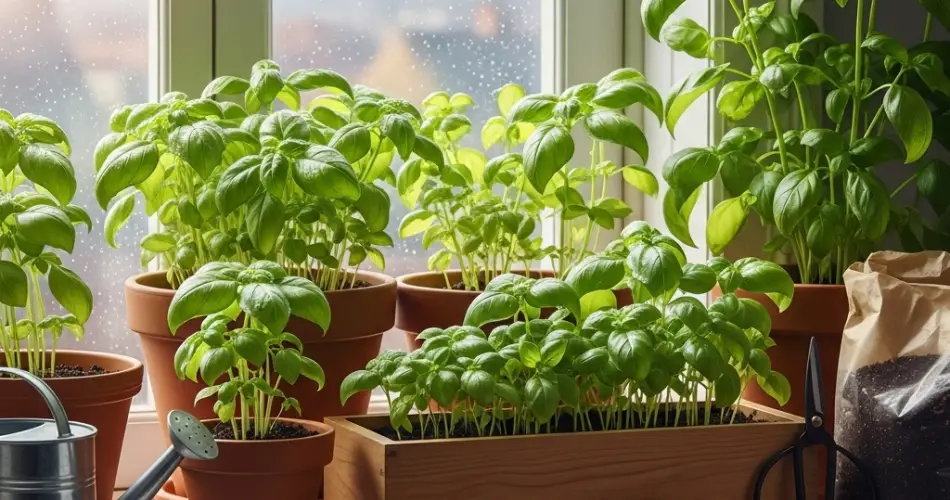
Few herbs are as versatile and beloved as basil. From pesto to pasta sauces, salads to infused oils, basil’s rich aroma and fresh taste make it an essential addition to any kitchen. While many people think of basil as a garden herb that thrives in outdoor beds, it also grows beautifully indoors. With the right setup, you can enjoy fresh basil leaves year-round, even in small apartments or spaces without a garden.
One of the easiest and most attractive ways to grow basil indoors is by using stylish containers. With the right combination of design and care, these containers not only provide a healthy growing environment for your basil but also add a decorative touch to your living space.
Why Grow Basil Indoors?
Basil is a tender, warm-weather herb that prefers consistent temperatures and plenty of sunlight. Indoor growing offers several advantages:
-
Year-round harvests: You won’t have to wait for spring or summer to enjoy fresh leaves.
-
Pest control: Growing basil inside helps minimize exposure to insects like aphids or caterpillars.
-
Convenience: Having basil within reach in your kitchen makes cooking with fresh herbs effortless.
-
Stylish decor: With creative containers, your basil plants double as greenery and interior design elements.
Choosing the Right Containers
When selecting containers for indoor basil, function and appearance both matter. Here are key points to consider:
-
Size: Basil roots prefer a bit of space to spread out. Choose containers at least 6–8 inches deep.
-
Drainage: Ensure each pot has drainage holes at the bottom to prevent root rot. If using decorative pots without holes, place a smaller plastic pot inside for growing.
-
Material: Ceramic, terracotta, metal, or even glass containers can all work as long as they provide proper drainage.
-
Style: Minimalist white pots, rustic terracotta, or modern geometric planters can enhance your kitchen or living room aesthetics.
Some gardeners also repurpose jars, baskets, or even mugs to create unique basil planters. Adding a tray beneath helps catch excess water while protecting your surfaces.
Best Soil for Basil Indoors
Basil thrives in light, well-draining soil that retains moisture but doesn’t stay soggy. Use a high-quality potting mix designed for herbs or vegetables. To enhance drainage, you can mix in perlite or coarse sand. Avoid using garden soil, as it may be too heavy and could harbor pests.
Planting Basil Indoors
You can start basil in containers either from seeds or by transplanting nursery seedlings.
-
From seed: Sow seeds ¼ inch deep in moist soil, then cover lightly. Keep the soil consistently damp until seedlings sprout in 5–10 days.
-
From seedlings: Plant nursery-bought basil directly into your container, gently firming the soil around the roots.
Place 2–3 seeds per pot and thin to one strong seedling once they establish.
Light and Location
Basil requires at least 6–8 hours of sunlight daily. Indoors, place containers on a sunny windowsill, ideally south-facing. If natural light is insufficient, supplement with a grow light positioned about 6 inches above the plants. Rotate containers every few days to ensure even growth.
Watering and Care
-
Watering: Basil prefers evenly moist soil. Check the top inch of soil; if it feels dry, water gently until excess drains out. Avoid letting the soil completely dry or become waterlogged.
-
Humidity: Basil appreciates moderate humidity. Mist plants occasionally or place a water-filled tray with pebbles nearby.
-
Fertilizer: Feed basil every 3–4 weeks with a diluted liquid fertilizer or organic compost tea.
Harvesting Basil Leaves
Frequent harvesting encourages bushier growth and prevents the plant from becoming leggy. To harvest, pinch leaves from the top of the plant, just above a pair of leaves or nodes. Avoid cutting more than one-third of the plant at a time. Regular pruning delays flowering and extends the basil’s lifespan.
Stylish Display Ideas
Growing basil indoors offers a chance to be creative with your containers:
-
Windowsill herb garden: Line up matching pots on a kitchen windowsill for easy access while cooking.
-
Hanging planters: Suspend small containers near a bright window to free up counter space.
-
Mason jars: Repurpose glass jars for a rustic, eco-friendly look (ensure proper drainage setup).
-
Decorative sets: Use coordinated pots in different sizes to create an eye-catching herb corner.
By combining style with practicality, your basil plants will serve as both a culinary asset and a decorative element.
Troubleshooting Common Issues
-
Yellow leaves: Often a sign of overwatering or poor drainage. Adjust watering habits.
-
Leggy growth: Basil is stretching for light. Move closer to a window or use grow lights.
-
Wilting: Can indicate underwatering or too much heat. Check soil moisture levels.
-
Flowering: Once basil flowers, leaves can turn bitter. Pinch flower buds promptly to keep leaves flavorful.
Final Thoughts
Indoor basil gardening with stylish containers combines beauty and functionality. With minimal effort, you can enjoy a continuous supply of fresh, aromatic leaves right in your kitchen or living space. By choosing decorative yet functional containers, providing proper soil, light, and water, and practicing regular harvesting, you’ll create a thriving indoor herb garden that’s as pleasing to the eye as it is to the palate.
Whether you’re a beginner gardener or a seasoned plant enthusiast, basil is one of the easiest and most rewarding herbs to grow indoors. Stylish container setups ensure that your home is always filled with greenery, freshness, and the delightful scent of basil ready to enhance your favorite meals.


