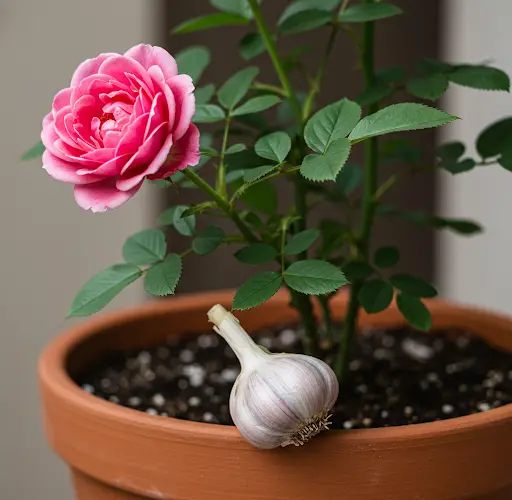
Rose propagation can be a rewarding process, but sometimes the traditional methods of rooting cuttings can be slow or unreliable. However, there is a simple, natural solution to give your rose cuttings the best chance to root and sprout quickly: garlic. This common kitchen ingredient, known for its many health benefits, can also be a powerful ally when it comes to encouraging plant growth.
Garlic contains compounds that can promote the rooting process, enhance cell growth, and protect cuttings from diseases. In this article, we’ll explore how garlic can help you achieve a 100% rooting success rate and how to use it effectively for rose propagation.
Why Garlic Works for Rose Propagation
Garlic is packed with natural compounds that can stimulate root growth in rose cuttings. Here’s how it works:
-
Allicin: The primary active compound in garlic, allicin has antifungal, antibacterial, and antiviral properties. This helps protect the rose cutting from potential pathogens that could lead to rot or disease during the rooting process.
-
Sulfides: Garlic is rich in sulfur compounds, which are beneficial for plants. Sulfur helps improve root development and can promote faster rooting.
-
Antioxidants: Garlic is known for its antioxidant properties, which help protect plant cells and encourage healthy growth.
-
Plant Growth Hormones: Garlic contains plant hormones that can stimulate cell division and root formation, boosting the likelihood of successful rooting.
Using garlic as part of your rose propagation process can create a healthier environment for rooting and improve the chances of your rose cuttings thriving.
Materials You’ll Need
To propagate roses with garlic, gather the following materials:
-
Fresh rose cuttings (6–8 inches long)
-
2-3 garlic cloves (fresh or dried)
-
A clean knife or pruning shears
-
A small bowl or container
-
Well-draining potting mix
-
Small pots or containers for planting
-
Plastic bags or plastic domes to maintain humidity
Step-by-Step Guide to Propagating Roses with Garlic
1. Select and Prepare the Rose Cuttings
Start by selecting healthy rose stems. It’s best to take cuttings during the growing season, particularly in late spring or early summer, when the plant is actively growing. Choose stems that are semi-hardwood—those that are firm but still a bit flexible.
Using clean, sharp pruning shears, cut a 6–8 inch section of the rose stem just below a leaf node (the point where leaves attach to the stem). Remove any flowers, buds, or excess leaves from the bottom half of the cutting to reduce moisture loss.
To promote faster rooting, gently scrape the bottom inch of the cutting to expose the cambium layer. This layer is where the roots will begin to form.
2. Prepare the Garlic Solution
To prepare the garlic solution, crush 2–3 garlic cloves into a fine paste. You can use a garlic press or simply chop the cloves very finely. Once crushed, place the garlic paste into a small bowl or container and mix it with about 1 cup of water.
Let the garlic sit for 1–2 hours to allow its natural compounds to infuse the water. After that, strain the mixture to remove the solid pieces, leaving you with a garlic-infused water solution.
3. Soak the Rose Cuttings in Garlic Solution
Place the prepared rose cuttings into the garlic solution. Let the cuttings soak for about 30–60 minutes, allowing the garlic water to penetrate the stem and provide essential nutrients. This soak will help protect the cuttings from diseases and encourage faster rooting.
If you are propagating multiple cuttings, you can prepare a larger amount of the garlic solution and soak several cuttings at once.
4. Plant the Rose Cuttings
Once the cuttings have soaked in the garlic solution, it’s time to plant them in small pots or containers with well-draining potting mix. Use a soil mix that includes compost, perlite, and peat moss, as this combination provides good aeration and moisture retention.
Make a small hole in the soil, either with your finger or a stick, and gently insert the bottom inch of the cutting into the hole. Firm the soil around the cutting to ensure it stays in place. Water the soil lightly to settle it, but avoid overwatering, as this can lead to root rot.
5. Create a Humid Environment
To help your rose cuttings root successfully, you’ll need to maintain high humidity. Cover the pots with a clear plastic bag or plastic dome to create a greenhouse effect. This will trap moisture and warmth around the cutting, encouraging root formation.
Place the pots in a location with bright, indirect sunlight. Direct sunlight can be too harsh and may dry out the cuttings. Keep the temperature between 65–75°F (18–24°C) for the best results.
Ongoing Care and Monitoring
-
Watering: Keep the soil lightly moist, but not soggy. Mist the inside of the plastic cover regularly to maintain humidity levels.
-
Air Circulation: Open the plastic cover for a few minutes each day to allow fresh air in and prevent mold or fungal growth.
-
Root Development: Check the cuttings after 2–3 weeks. Gently tug on the cutting to see if it resists, which indicates root growth. You may also notice new leaf growth, signaling that the cutting is establishing roots.
-
New Growth: Once you notice healthy new growth and a well-developed root system, you can transplant your rose cuttings into larger pots or directly into the garden.
Tips for Best Results
-
Use fresh garlic for the best results. Dried garlic may lose some of its potency.
-
Ensure your cuttings are disease-free and come from healthy rose plants.
-
Keep the humidity high but avoid excessive moisture. Too much water can cause the cuttings to rot.
-
Patience is key. It may take several weeks for the cuttings to root and show new growth.
Conclusion
Garlic is a natural, easy-to-use remedy for boosting rose propagation. The compounds found in garlic—such as allicin, sulfur, and plant hormones—can help stimulate the root growth process and protect the cuttings from diseases, all while improving the chances of success. By following this simple method, you can significantly increase your odds of achieving 100% rooting success for your rose cuttings.
Give garlic a try, and watch your rose garden flourish with strong, healthy plants. Whether you’re an experienced gardener or just starting out, this technique is an excellent addition to your propagation toolkit. Happy gardening!


