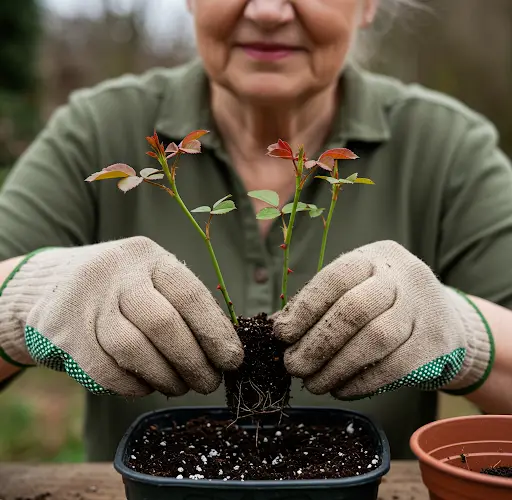
When it comes to propagating roses, many gardeners face the challenge of ensuring success with each cutting. Whether you’re a seasoned gardener or just starting your journey, finding the most effective method for rose propagation is key to expanding your garden. While there are various techniques, one method stands out for its simplicity, reliability, and the potential for near 100% success: using a natural, easy-to-find rooting medium.
While traditional methods like soil, rooting hormones, and water are popular, there’s a powerful, underrated tool that can significantly boost your propagation success. This method can give you a success rate that reaches 100%, ensuring that nearly every cutting you take has a high chance of developing roots and growing into a thriving rose plant. What is this magical method? It’s using natural substances that provide essential nutrients and moisture, promoting rapid and effective rooting.
In this article, we’ll explore why this method works so well, how to use it, and why you shouldn’t overlook this simple yet powerful technique for propagating roses.
Why Traditional Propagation Methods Aren’t Always Enough
Before we dive into this method, it’s important to understand why traditional rose propagation methods sometimes fail. Roses, like other plants, need the right conditions to successfully develop roots from a cutting. The factors that contribute to successful propagation include:
-
Moisture: Rose cuttings need consistent moisture to prevent drying out, but they can’t be overwatered.
-
Nutrients: The cutting requires the right nutrients to build root systems and start growing.
-
Temperature and Humidity: A warm and humid environment is essential for the cutting to develop roots.
In many cases, even when you follow the standard practices, success rates may vary. This inconsistency can be frustrating, especially if you’re trying to propagate specific rose varieties or increase your garden stock. That’s where a more reliable method comes in, one that ensures these key factors are met.
The Secret to 100% Rose Propagation Success
The secret to 100% successful rose propagation lies in creating the ideal environment for the rose cutting to take root. You can achieve this using a unique and natural combination of substances that provide the right nutrients, moisture, and protection for the cutting. These substances include ingredients that many gardeners already have at home, but they hold the key to successful rooting.
The Key Ingredients for Success: Rice, Egg Yolk, and Aloe Vera
The method that ensures 100% success is a combination of rice, egg yolk, and aloe vera. This trio of natural ingredients works together to provide everything a rose cutting needs to root successfully.
-
Rice: Rice is known for its ability to retain moisture and supply vital nutrients. By using rice as a base for rooting, you help keep the rose cutting hydrated, while the starch in the rice promotes root growth. Rice also provides a stable environment for the cutting to establish roots without the risk of waterlogging.
-
Egg Yolk: Egg yolk is packed with proteins, vitamins, and amino acids that are essential for the growth and development of roots. The nutrients in the egg yolk nourish the cutting, giving it the energy it needs to develop a strong and healthy root system. Egg yolk is also believed to contain natural growth hormones that stimulate the rooting process, ensuring faster and more robust root development.
-
Aloe Vera: Aloe vera has long been used as a natural remedy for a variety of gardening needs, especially for propagating plants. Its gel contains compounds that promote cell growth and help protect the cutting from infections and diseases. Aloe vera also acts as a natural rooting hormone, further enhancing the rose cutting’s chances of success.
How to Propagate Roses Using Rice, Egg Yolk, and Aloe Vera
Now that we know the key ingredients, let’s walk through the steps of using this method to propagate roses successfully.
Materials You Will Need:
-
A healthy rose cutting (6-8 inches long)
-
Fresh egg yolk (from one egg)
-
A handful of rice (white or brown)
-
Aloe vera gel (fresh or store-bought)
-
Water
-
A small container or jar
-
A sharp knife or pruning shears
-
Well-draining soil or propagation mix (for transplanting)
Step-by-Step Guide:
1. Prepare the Rose Cutting
Start by selecting a healthy rose stem that is about 6-8 inches long. The cutting should come from a healthy part of the plant, avoiding any parts that are diseased or damaged. Use a sharp knife or pruning shears to cut just below a node (the point where leaves grow) to ensure successful rooting. Remove the lower leaves from the cutting, leaving a few leaves at the top.
2. Prepare the Rice Medium
In a small container or jar, place enough rice to cover the bottom with about 1-2 inches. Rice helps retain moisture, which is crucial for root development. If you prefer, you can use brown rice, which may offer additional nutrients compared to white rice, but either will work well.
3. Mix the Egg Yolk and Aloe Vera Solution
In a separate container, combine the egg yolk with a small amount of water. Mix it well to create a liquid solution. Add a small amount of aloe vera gel (about a teaspoon) to the egg yolk mixture. Stir thoroughly until the solution is smooth and evenly mixed. This combination will provide both the nutrients and natural hormones needed to stimulate root growth.
4. Dip the Cutting into the Mixture
Dip the cut end of the rose cutting into the egg yolk and aloe vera solution. Make sure the cut end is fully coated with the mixture, as this will provide essential nutrients for the cutting. The combination of egg yolk’s proteins, aloe vera’s rooting compounds, and the moisture-retaining properties of rice will create an ideal environment for the cutting.
5. Place the Cutting in the Rice Medium
Gently insert the coated cutting into the container with rice. The rice should keep the cutting stable while retaining moisture around the stem. Ensure that the cut end is buried in the rice and that the cutting stands upright. You may want to cover the container with a plastic bag to maintain humidity and prevent the cutting from drying out.
6. Monitor the Cutting for Root Growth
Place the container in a warm, bright location that receives indirect sunlight. Check the cutting every few days to monitor progress. Keep the rice slightly moist but avoid over-watering. Within 2-3 weeks, you should begin to see roots developing. Once the cutting has established enough roots, it can be transplanted into a larger pot or directly into your garden.
Why This Method Works So Well
The combination of rice, egg yolk, and aloe vera provides the cutting with everything it needs to root successfully. The rice helps retain moisture, the egg yolk nourishes the cutting with essential nutrients, and the aloe vera stimulates root growth and protects the cutting from disease. This method mimics the conditions a rose cutting would naturally experience in the wild, giving it the best chance to thrive.
Conclusion
If you want to ensure 100% success with your rose propagation, don’t overlook the power of rice, egg yolk, and aloe vera. This simple, natural method provides the perfect conditions for rose cuttings to root successfully, giving you a thriving garden full of beautiful roses. Give this method a try the next time you propagate roses and enjoy the impressive results!


