Indoor plants are more than just decoration; they bring life, improve air quality, and create a calming atmosphere inside our homes. Among the countless varieties available, some stand out as true gems — plants so unique, resilient, and beneficial that if you have even one, it’s worth caring for it diligently.
This article highlights some of the most valuable indoor plants you can own, along with tips on how to care for them properly. These plants not only enhance your living space with their beauty but also contribute to your wellbeing. Whether you are a novice or an experienced plant lover, these “indoor treasures” deserve a special place in your home and heart.
Why These Plants Are Considered Indoor Gems
The plants discussed here are prized for several reasons:
-
Air Purification: They naturally cleanse indoor air of toxins.
-
Easy to Care For: Many thrive with minimal attention.
-
Unique Beauty: Their shapes, colors, and textures add visual appeal.
-
Resilience: They adapt well to indoor environments.
-
Emotional Benefits: Caring for plants can reduce stress and improve mood.
1. Sansevieria (Mother-in-Law’s Tongue)
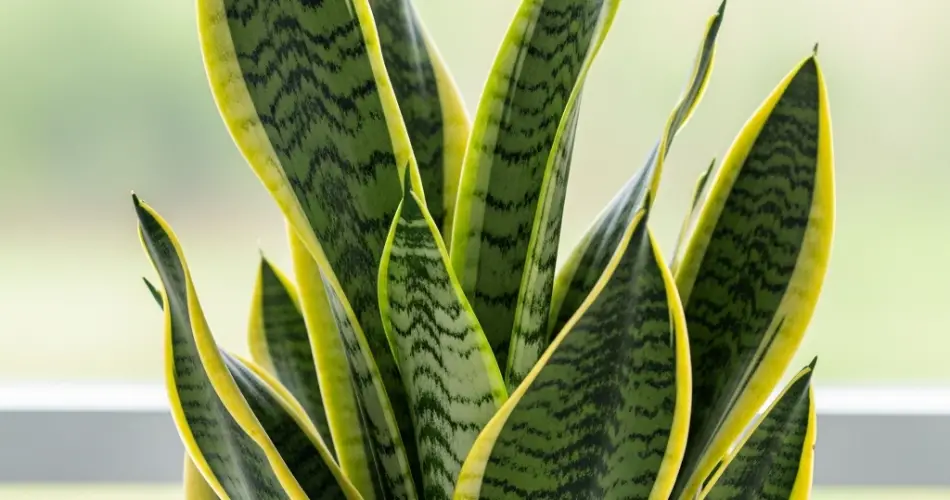
Sansevieria is a robust and iconic indoor plant recognized for its tall, sword-shaped leaves. It is almost indestructible, tolerating low light and infrequent watering.
Care Tips:
-
Water sparingly, letting soil dry completely between waterings.
-
Thrives in indirect sunlight but tolerates low light.
-
Use well-draining soil to avoid root rot.
Why It’s a Gem:
Sansevieria produces oxygen at night, making it excellent for bedrooms, and it filters harmful toxins like formaldehyde and benzene.
2. Ficus elastica (Rubber Plant)
The Rubber Plant features glossy, deep green leaves that can sometimes have a burgundy tint. It grows well indoors and can become a striking focal point.
Care Tips:
-
Prefers bright, indirect light.
-
Water moderately, keeping soil moist but not soggy.
-
Wipe leaves occasionally to keep them dust-free and shiny.
Why It’s a Gem:
It’s effective at improving indoor air quality and adds a lush tropical feel to interiors.
3. Monstera deliciosa (Swiss Cheese Plant)
Famous for its large, split leaves with natural holes, Monstera is a trendy yet timeless indoor plant.
Care Tips:
-
Needs bright, indirect light; avoid direct sun to prevent leaf burn.
-
Water when the top inch of soil is dry.
-
Provide support as it grows, like a moss pole.
Why It’s a Gem:
Its dramatic foliage instantly uplifts any room, creating a vibrant and exotic atmosphere.
4. Pothos (Devil’s Ivy)
Pothos is a fast-growing vine known for its heart-shaped leaves with variegated patterns in green, yellow, or white.
Care Tips:
-
Grows well in low to bright indirect light.
-
Water when the topsoil is dry; tolerant to some neglect.
-
Prune regularly to maintain shape.
Why It’s a Gem:
Pothos is incredibly forgiving and one of the best plants for beginners. It also helps filter indoor air pollutants.
5. ZZ Plant (Zamioculcas zamiifolia)
The ZZ plant is admired for its waxy, dark green leaves and ability to survive under challenging conditions.
Care Tips:
-
Thrives in low light but tolerates bright indirect light.
-
Water moderately, letting the soil dry out between waterings.
-
Avoid overwatering to prevent root rot.
Why It’s a Gem:
Its striking appearance and resilience make it perfect for busy households or offices.
6. Aloe Vera
Aloe Vera is well known for its medicinal properties and succulent leaves filled with soothing gel.
Care Tips:
-
Needs bright light, ideally near a sunny window.
-
Water sparingly, allowing soil to dry completely.
-
Use cactus or succulent soil for best drainage.
Why It’s a Gem:
Besides being an excellent air purifier, Aloe Vera’s gel can be used for skin care and minor burns.
How to Care for Your Indoor Gems: General Guidelines
-
Light: Most indoor gems thrive in bright, indirect light but can tolerate lower light levels. Adjust placement according to each plant’s preference.
-
Water: Avoid overwatering by letting the soil dry out between waterings for succulents and drought-tolerant plants. Others prefer consistently moist soil but never soggy.
-
Humidity: Many indoor plants enjoy moderate humidity; misting leaves occasionally or using a humidifier can help, especially in dry climates.
-
Soil: Use well-draining potting mixes suitable for the plant type to prevent water retention and root diseases.
-
Fertilizing: Feed plants monthly during the growing season (spring and summer) with a balanced fertilizer diluted to half strength.
-
Cleaning: Dust leaves regularly to improve photosynthesis and keep the plant looking fresh.
Why Caring for Your Indoor Plants Is So Important
Indoor plants are living organisms that require attention and care to flourish. Their wellbeing reflects in their appearance, growth, and ability to purify air and bring positive energy to your space.
Neglected plants may wilt, develop yellow leaves, or become prone to pests and diseases. Conversely, well-cared-for plants grow vibrant and strong, contributing to a healthier, more enjoyable indoor environment.
Conclusion
If you own any of these indoor plant gems, treat them like cherished companions. Their resilience, beauty, and health benefits make them invaluable additions to your home.
By following simple care routines tailored to each plant’s needs, you can enjoy their presence for years to come. Whether it’s the architectural leaves of Sansevieria or the healing gel of Aloe Vera, these plants deserve your dedicated attention.
Take pride in caring for your indoor plants—they truly are the jewels of your home.


