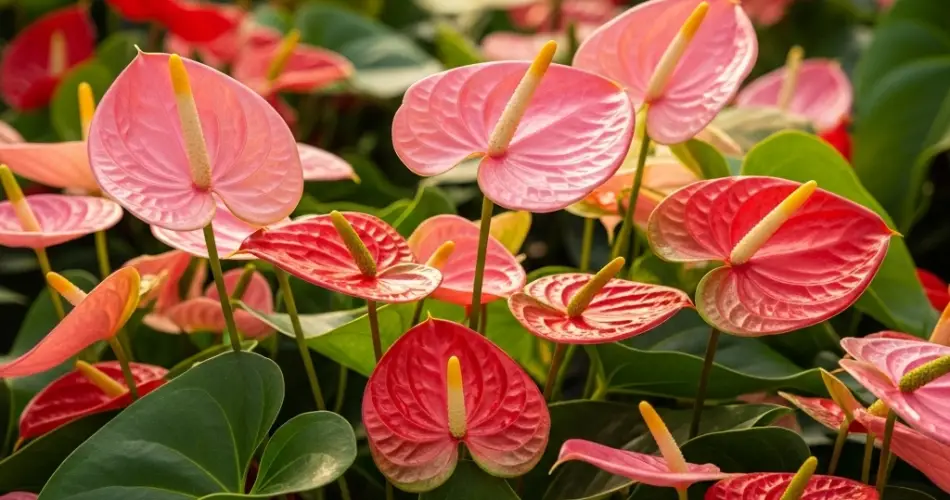
Anthuriums, commonly known as flamingo flowers, are admired for their vibrant, heart-shaped spathes and glossy foliage. Despite their popularity as indoor plants, many enthusiasts find their anthuriums reluctant to bloom. Understanding the specific care requirements of these tropical plants is essential to encourage consistent flowering.
1. Provide Adequate Light
Insufficient light is a primary reason anthuriums fail to bloom. While they can survive in low-light conditions, they require bright, indirect sunlight to produce flowers. Place your anthurium near an east-facing window or a location with filtered light. Avoid direct sunlight, which can scorch the leaves. If natural light is limited, consider using a full-spectrum LED grow light for 9–12 hours daily to supplement their light needs.
2. Maintain Optimal Temperature and Humidity
Anthuriums thrive in temperatures between 70°F and 85°F (21°C to 29°C). Exposure to temperatures below 60°F (15°C) or sudden temperature fluctuations can stress the plant and inhibit flowering. Ensure your plant is placed away from drafts, air conditioners, and heating vents.
High humidity levels, ideally between 60% and 80%, are also crucial. To increase humidity, you can:
-
Group plants together to create a microclimate.
-
Place the pot on a tray filled with pebbles and water, ensuring the pot’s base is above the waterline.
-
Use a room humidifier.
-
Regularly mist the plant’s foliage, avoiding the flowers to prevent mold.
3. Use the Right Potting Mix
Anthuriums are epiphytes, naturally growing on trees with roots exposed to air. They prefer a light, well-draining potting mix that mimics this environment. A suitable mix can include:
-
Orchid bark or pine bark
-
Peat moss or coconut coir
-
Perlite or pumice for drainage
Ensure the pot has drainage holes to prevent waterlogging, which can lead to root rot and hinder flowering.
4. Water Properly
Both overwatering and underwatering can stress anthuriums, affecting their ability to bloom. Water the plant when the top inch of soil feels dry to the touch. Ensure excess water drains away and never let the plant sit in standing water. Adjust your watering frequency based on the season, light conditions, and humidity levels.
5. Fertilize Appropriately
Regular feeding provides the nutrients necessary for flowering. During the growing season (spring and summer), apply a balanced, water-soluble fertilizer with an NPK ratio of 20-20-20 every 6 to 8 weeks. For enhanced blooming, consider a phosphorus-rich fertilizer with a ratio like 10-30-30. Always dilute the fertilizer to half strength to prevent root burn. Avoid fertilizing during the plant’s dormant period in fall and winter.
6. Repot When Necessary
Anthuriums benefit from being slightly root-bound, but over time, they may outgrow their pots. Repotting every 1 to 2 years in spring or early summer can rejuvenate the plant and encourage blooming. Choose a pot only 1 to 2 inches larger in diameter than the current one and refresh the potting mix during repotting.
7. Monitor for Pests and Diseases
Pests like aphids, mealybugs, and spider mites can stress anthuriums, affecting their health and flowering. Regularly inspect your plant for signs of infestation, such as discolored or distorted leaves. Treat infestations promptly with insecticidal soap or neem oil. Additionally, ensure good air circulation around the plant to prevent fungal diseases.
8. Check Soil pH
Anthuriums prefer slightly acidic to neutral soil with a pH between 5.5 and 6.5. Soil that is too acidic or alkaline can hinder nutrient uptake, leading to poor flowering. Conduct a soil pH test and amend the soil as necessary to maintain the optimal pH range.
9. Avoid Competition from Other Plants
Ensure your anthurium has adequate space and is not competing with other plants for light, water, and nutrients. Overcrowding can stress the plant and reduce its flowering potential. Provide sufficient spacing and consider the mature size of neighboring plants when arranging your indoor garden.
10. Be Patient
Even with optimal care, anthuriums may take time to bloom, especially if they are adjusting to new conditions after repotting or relocation. Consistent care and patience are key. Monitor your plant’s health, and with time, it should reward you with its characteristic vibrant blooms.
By understanding and addressing these factors, you can create an environment that encourages your anthurium to thrive and produce its stunning flowers.


