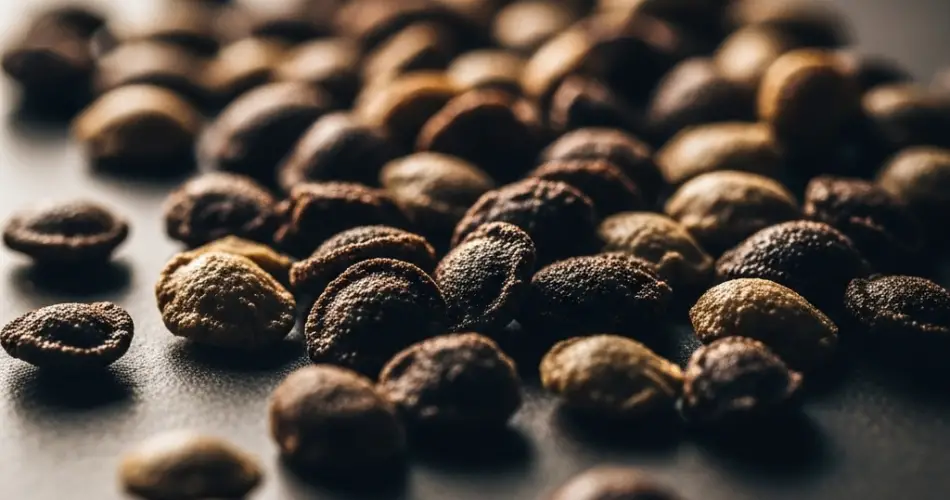
Growing healthy, productive pepper plants starts with one key step: sowing the seeds correctly. Many gardeners struggle with slow germination, weak seedlings, or poor development — often because of small but critical mistakes during sowing. After years of trial and error, there’s one sowing method that stands out above the rest. It’s simple, highly effective, and delivers strong, healthy pepper seedlings every time.
If you’ve been disappointed in your pepper harvests or tired of replanting weak seedlings, this method may be the solution you’ve been looking for.
Why Proper Sowing Matters for Peppers
Peppers are heat-loving, slow-growing plants with delicate roots. They require warmth, moisture, and consistency from the very beginning. When seeds are sown poorly — in cold soil, with incorrect depth, or under fluctuating conditions — germination is delayed, or the seeds may not sprout at all.
Getting peppers off to a strong start sets the stage for a productive season. And it all begins with how you sow them.
The Game-Changing Method: Pre-Sprouting Plus Nutrient Support
This highly effective technique involves pre-sprouting seeds on a moist medium, followed by transplanting them into a light substrate enriched with a gentle nutrient boost. It may sound like an extra step, but it significantly improves germination rates and seedling strength.
Step-by-Step: How to Sow Peppers for Best Results
Step 1: Seed Preparation
Begin with high-quality seeds, preferably no older than 2–3 years. If you’re unsure of their age, a simple germination test (soaking a few seeds on moist paper towel) can help determine viability.
Optional – Seed Soak:
Soak the seeds in warm water (around 30°C / 86°F) for 10–12 hours to soften the outer shell and activate germination.
Optional – Aloe Vera or Honey Soak:
For added natural stimulation, soak the seeds in diluted aloe juice or honey water. These natural compounds help promote faster, healthier sprouting due to their antiseptic and growth-stimulating properties.
Step 2: Pre-Sprouting
Place the soaked seeds on a moist paper towel or cotton pad, then cover them with another moist layer. Place the entire setup in a container or zip-lock bag to maintain humidity. Leave in a warm place (24–28°C or 75–82°F).
Check daily for moisture and early root tips. Within 3–5 days, the seeds will begin to sprout.
Step 3: Sowing in Substrate
Once the seeds have small root tips (but before the roots grow too long), transfer them carefully into pre-prepared containers.
What to use:
-
Individual cups or seedling trays with drainage holes
-
A light, loose seed-starting mix (coco peat, vermiculite, or a peat-based blend)
-
Optional: Add 1–2 tablespoons of wood ash or crushed eggshell powder per liter of soil for a gentle mineral boost
How to plant:
-
Make a shallow hole (0.5–1 cm deep)
-
Gently place the sprouted seed root-down into the hole
-
Cover lightly with soil and mist gently with warm water
Step 4: Creating the Ideal Microclimate
After sowing, cover the containers with plastic wrap or a clear lid to maintain humidity. Place in a warm spot with indirect light.
Once the first green shoots appear, remove the cover and move the seedlings to a bright area with at least 12 hours of light per day. Grow lights may be used if natural light is insufficient.
Key Tips for Strong Seedlings
-
Avoid overwatering: Keep the soil moist but not soggy. Bottom-watering is ideal to prevent damping off.
-
Use warm water: Peppers respond poorly to cold water, which can shock seedlings.
-
Maintain warmth: Temperatures below 20°C (68°F) can delay development. Consider using a heat mat if needed.
-
Feed gently: Once the second pair of true leaves appears, begin feeding with a mild fertilizer (like compost tea or diluted liquid feed) every 10–14 days.
Transplanting
When seedlings reach 5–6 cm in height and have 2–3 pairs of true leaves, they can be transplanted into larger pots or directly into the garden, depending on the season. Be sure to harden them off gradually by introducing them to outdoor conditions over 5–7 days.
What Makes This Method So Effective?
-
Early root development: Pre-sprouting ensures that only viable seeds are planted, eliminating delays or gaps.
-
Minimized shock: Transplanting at the right time and with minimal root disturbance reduces stress and supports faster adaptation.
-
Boosted immunity and vigor: Natural additives like aloe, honey, or wood ash strengthen seedling resilience from the start.
-
Higher germination rates: This method consistently results in 90–100% germination when conditions are stable.
Final Thoughts
Once you try this method of sowing peppers, it’s hard to go back. It reduces waste, improves results, and sets your plants up for a healthy and productive growing season. Whether you’re growing bell peppers, hot chilies, or sweet varieties, this technique ensures faster, stronger growth — and an earlier, more abundant harvest.
If you’ve struggled with pepper seedlings before, give this approach a try. You might find yourself wondering why you didn’t do it this way all along.


