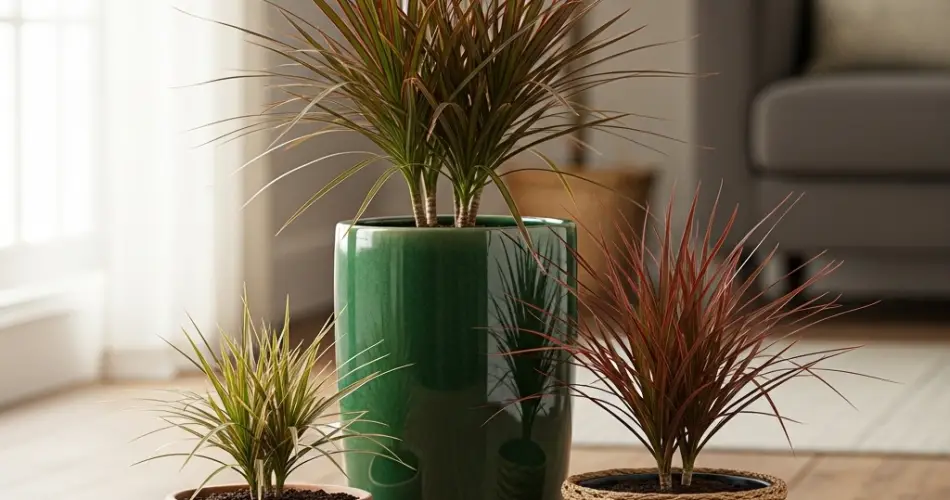
Dracaena is a popular indoor plant admired for its sculptural shape, air-purifying qualities, and tolerance to a wide range of growing conditions. Whether you’re caring for a tall Dracaena marginata or a compact Dracaena fragrans, proper watering and feeding are essential to maintain vibrant foliage and healthy growth. While it may seem low-maintenance, Dracaena has specific needs when it comes to moisture and nutrients. This guide breaks down exactly how to water and feed your Dracaena the right way for long-lasting success indoors.
Understanding Dracaena’s Watering Needs
Dracaena plants are sensitive to both overwatering and underwatering. They prefer consistently moist, but not soggy, soil. Allowing the soil to dry out slightly between waterings is essential to avoid root rot.
How Often to Water
The best watering schedule depends on factors like temperature, humidity, light, and the potting medium. As a general rule, water your Dracaena when the top 1–2 inches of soil feels dry. During spring and summer—its active growing period—this may be once every 7–10 days. In fall and winter, reduce watering to every 14–21 days, or as needed based on indoor conditions.
Avoiding Overwatering
Dracaenas are particularly prone to overwatering, which can lead to root rot and yellowing leaves. Ensure your plant is in a pot with drainage holes, and always empty the saucer after watering.
Warning signs of overwatering include:
-
Yellowing lower leaves
-
Mushy or soft stems
-
A musty smell from the soil
-
Leaves dropping prematurely
If you notice any of these signs, let the soil dry out more thoroughly before the next watering and inspect the roots for rot if necessary.
Dealing with Underwatering
Underwatered Dracaena plants may develop:
-
Brown, crispy leaf tips
-
Drooping or curling leaves
-
Slow or stunted growth
If this happens, water thoroughly and allow the excess to drain completely. Going forward, monitor the soil more closely and maintain a more consistent watering schedule.
Water Quality Matters
Dracaenas are sensitive to fluoride and salts in tap water, which can cause leaf tip burn and other damage over time. If your tap water is treated with fluoride or is very hard, consider using:
-
Filtered or distilled water
-
Rainwater, if available
-
Letting tap water sit overnight before using, to allow some chemicals to dissipate
Using clean, room-temperature water is ideal, as cold water can shock the roots.
Feeding Your Dracaena: When and What to Use
While Dracaena plants aren’t heavy feeders, they do benefit from a consistent feeding routine during the growing season. A lack of nutrients can lead to pale leaves, slower growth, and a generally tired appearance.
Type of Fertilizer
Use a balanced, water-soluble houseplant fertilizer—preferably one with an N-P-K ratio such as 10-10-10 or 20-20-20. Some plant owners also prefer a mild formula like 3-1-2 for foliage-focused growth. Look for a product that includes micronutrients like magnesium and iron, which support healthy leaf development.
If you prefer organic feeding, consider using liquid seaweed or fish emulsion, which provide natural nutrients and can be diluted into the watering routine.
Feeding Schedule
Feed your Dracaena once a month during spring and summer, when the plant is actively growing. In fall and winter, stop feeding entirely, as the plant enters a resting phase and won’t absorb nutrients as efficiently.
Over-fertilizing can do more harm than good. It may lead to brown leaf tips, salt buildup in the soil, and stunted growth. Always follow the package instructions and consider using half the recommended dose for indoor plants.
How to Feed Properly
To feed your Dracaena:
-
Water the plant first (if the soil is dry) to prevent root burn from the fertilizer.
-
Dilute the fertilizer according to the label’s instructions.
-
Apply the solution evenly across the soil, avoiding direct contact with the stems or leaves.
-
Flush the soil every few months with plain water to prevent salt buildup from fertilizer residues.
Signs Your Dracaena Needs Feeding
Keep an eye out for subtle clues that your plant may need a nutrient boost:
-
Pale or yellowing leaves (without signs of overwatering)
-
Slower-than-usual growth during the growing season
-
Faded leaf striping or dull color
If your plant is otherwise healthy but not thriving, a consistent feeding routine can make a noticeable difference.
Final Tips for Success
-
Always combine proper watering and feeding—a well-fed plant in soggy soil will still struggle.
-
Adjust your care routine seasonally. More light and warmth call for more water and nutrients; cooler, darker months require less.
-
Use well-draining soil that holds moisture without becoming compacted.
-
Avoid fertilizing immediately after repotting—wait about 4–6 weeks so the plant can adjust.
With the right balance of watering and feeding, your Dracaena will grow steadily, producing strong stems and lush, glossy foliage. These care practices not only keep the plant healthy but also help it reach its full potential as a striking indoor centerpiece.


