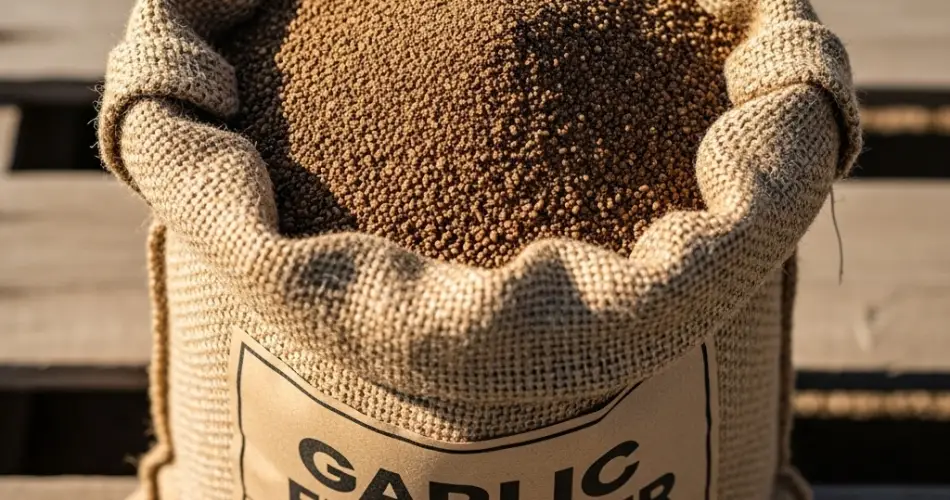
Garlic is well-known for its culinary and medicinal properties, but it also has powerful benefits in the garden. When used correctly, garlic can act as a natural fertilizer and pest repellent, helping plants grow stronger while keeping harmful insects and diseases at bay. Whether you’re looking to enrich your soil or protect your crops, garlic is a safe, eco-friendly option that supports plant health without synthetic chemicals.
In this guide, you’ll learn how to use garlic effectively as a natural fertilizer and soil enhancer in your home garden.
Why Use Garlic in the Garden?
Garlic contains sulfur compounds, enzymes, and minerals that are beneficial to plants. These natural compounds can:
-
Boost plant immunity against fungal and bacterial diseases
-
Improve soil microbial activity
-
Repel garden pests like aphids, mites, and whiteflies
-
Act as a mild fertilizer by adding trace minerals to the soil
Using garlic in the garden not only enhances plant health but also supports a more sustainable gardening approach.
Methods for Using Garlic as a Natural Fertilizer
There are several ways to apply garlic in the garden, depending on your goals. Here are the most effective methods:
1. Garlic Water for Soil Feeding
Garlic water is an easy-to-make, natural liquid fertilizer that nourishes plants and helps suppress harmful microbes in the soil.
Ingredients:
-
3–4 garlic cloves
-
1 liter of water
-
Optional: a few drops of liquid seaweed or compost tea for added nutrients
Instructions:
-
Peel and crush the garlic cloves.
-
Add them to a liter of water and let steep for 12–24 hours.
-
Strain the mixture to remove solids.
-
Pour the garlic water directly onto the soil around your plants.
Use: Apply every 2–3 weeks during the growing season to feed plants and improve soil microbial balance.
2. Garlic Spray for Leaves (Foliar Feeding + Pest Control)
Garlic spray is an effective foliar feed and insect deterrent. It delivers nutrients through the leaves and creates an environment that pests dislike.
Ingredients:
-
1 full garlic bulb
-
1 liter of water
-
1 tablespoon vegetable oil (optional, helps the spray stick to leaves)
-
A few drops of mild soap (optional, enhances pest repelling)
Instructions:
-
Blend the peeled garlic cloves with water until smooth.
-
Strain through cheesecloth or a fine mesh to avoid clogging your spray bottle.
-
Add oil and soap if desired, then mix well.
-
Spray directly onto leaves in the early morning or late afternoon.
Use: Apply every 1–2 weeks to deter pests like aphids, caterpillars, and fungal spores. Avoid spraying in full sun to prevent leaf burn.
3. Garlic Compost Boost
Garlic scraps, like peels and crushed cloves, can be added to your compost pile. They decompose along with other organic matter and contribute sulfur and other micronutrients to the finished compost.
-
Chop or crush garlic scraps before adding them.
-
Avoid adding too much garlic at once, as its strong antimicrobial properties may temporarily slow compost activity.
-
Mix garlic with a balanced mix of greens (wet material) and browns (dry carbon material) for proper decomposition.
When used in moderation, garlic-enriched compost provides long-term benefits to your garden soil.
4. Garlic as a Soil Amendment
You can also plant garlic cloves directly into the soil where other plants will grow later. As the garlic breaks down, it releases nutrients and helps condition the soil.
Instructions:
-
Bury a few crushed or slightly sprouted garlic cloves in garden beds during bed preparation.
-
Mix them well into the topsoil to avoid attracting pests.
-
Allow at least two weeks before planting your main crops to let the garlic break down.
This method is especially helpful for preparing soil for tomatoes, peppers, brassicas, and leafy greens.
5. Interplanting Garlic as a Companion Crop
Garlic is a natural companion plant that can help protect nearby vegetables from pests and disease.
-
Plant garlic near tomatoes, cabbage, carrots, lettuce, and fruit trees.
-
Its strong scent repels insects like aphids, cabbage loopers, and spider mites.
-
Garlic also discourages soil-borne fungal diseases when planted near susceptible crops.
This strategy allows garlic to act as a living fertilizer and pest repellent at the same time.
Precautions When Using Garlic in the Garden
-
Do not overuse garlic sprays or garlic water, as high concentrations can harm beneficial microbes if applied too often.
-
Avoid applying garlic solutions during the hottest part of the day.
-
Always test garlic sprays on a few leaves before full application to ensure no sensitivity.
Used in moderation and with proper dilution, garlic is a safe and effective natural remedy for both soil and plant health.
Conclusion
Garlic isn’t just a kitchen staple—it’s also a powerful tool for organic gardening. Whether used as a liquid fertilizer, pest deterrent, or soil conditioner, garlic supports strong, healthy plant growth without the need for synthetic chemicals. With a few cloves and some basic preparation, you can harness the natural power of garlic to feed your plants and protect your garden the eco-friendly way.


