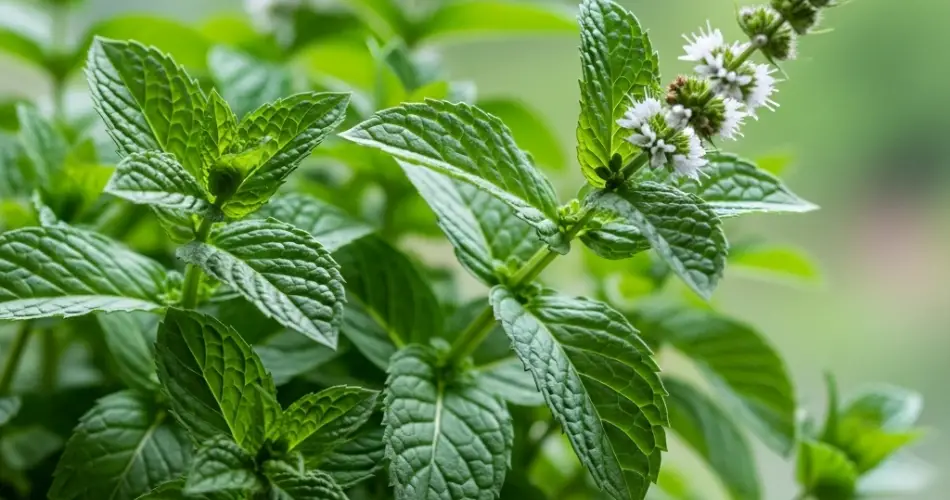
Mint is one of the easiest and most rewarding herbs you can grow. Its fresh scent, rapid growth, and wide variety of culinary and medicinal uses make it a favorite among both beginners and expert gardeners. But despite its hardy nature, there are still a few tricks to growing mint successfully and keeping it healthy and under control.
Whether you’re planting in a garden bed, container, or kitchen windowsill, here’s how to care for mint like a seasoned gardening expert.
1. Choose the Right Variety for Your Needs
There are many types of mint, and each has its own flavor and growing habit. The most popular include:
-
Peppermint – Strong, cool flavor, great for teas and desserts.
-
Spearmint – Sweeter, milder taste, ideal for savory dishes and cocktails.
-
Chocolate mint – Has a rich, cocoa-like aroma.
-
Apple mint – Fruity scent and fuzzy leaves, often used in drinks or potpourri.
Choose the variety that matches your culinary or aromatic preferences. Most mints grow in similar conditions, so you can grow more than one if you keep them in separate containers.
2. Planting Location and Containers
Mint thrives in full sun to partial shade. Outdoors, it grows best in garden beds that receive morning sun and some afternoon shade. Indoors, place it near a bright window, ideally one facing east or south.
Important tip: Mint is a vigorous spreader and can quickly take over garden beds. To control its growth, it’s best to plant it in containers. Even if you want it in the garden, consider burying a pot with the bottom cut out to limit its roots.
Use containers that are at least 12 inches wide with good drainage. Mint’s roots like space to spread, and the plant grows quickly when given room.
3. Use the Right Soil
Mint prefers moist, well-draining soil with a pH between 6.0 and 7.0. Rich, loamy soil is ideal, but mint is adaptable and can grow in many conditions as long as the soil doesn’t stay soggy.
If growing in pots, choose a quality potting mix. You can improve drainage by adding a bit of perlite or sand. If planting in the ground, enrich the soil with compost before planting.
4. Watering: Keep It Consistent
Mint enjoys consistently moist soil, especially during hot weather. However, it doesn’t like to sit in water, which can cause root rot.
-
Water regularly, especially during dry spells.
-
In containers, check the soil moisture every few days.
-
Water when the top inch of soil feels dry to the touch.
Avoid overhead watering if possible, especially in humid climates, to prevent fungal issues.
5. Fertilizing for Lush Growth
Mint doesn’t require heavy feeding, but occasional fertilizing helps keep it lush and flavorful.
-
Use a balanced, water-soluble fertilizer (like 10-10-10) once a month during the growing season.
-
Organic options like compost tea or diluted fish emulsion work well, especially for culinary use.
Avoid over-fertilizing, as too much nitrogen can reduce flavor intensity.
6. Pruning and Harvesting
Regular pruning is key to keeping mint bushy and healthy. Without pruning, mint can become leggy and invasive.
-
Pinch back stems often to encourage branching.
-
Trim off flower buds as soon as they appear to keep the plant focused on leaf production.
-
Harvest frequently by cutting stems above a leaf pair.
You can start harvesting once the plant reaches 4–6 inches in height. The more you harvest, the more it grows.
7. Pest and Disease Management
Mint is relatively resistant to pests and diseases, but it’s not immune.
Common pests include:
-
Aphids
-
Spider mites
-
Whiteflies
Treat infestations early with neem oil, insecticidal soap, or by spraying with water to knock pests off the leaves.
Diseases to watch out for:
-
Mint rust (orange spots on leaves)
-
Powdery mildew (white coating)
-
Root rot from overwatering
Improve air circulation, avoid overcrowding, and remove infected leaves promptly. In humid climates, ensure containers are well-ventilated and not overwatered.
8. Overwintering Tips
Mint is a perennial in many climates and can survive mild winters. If grown in containers, bring the plant indoors when temperatures drop below 40°F (4°C).
-
Cut it back to a few inches tall.
-
Keep it in a cool, bright spot.
-
Water sparingly through winter dormancy.
Outdoors, mulch around the base to protect roots from freezing temperatures.
Final Thoughts
Mint is the perfect herb for anyone wanting a low-maintenance yet highly useful plant. With just a little care, it will reward you with vigorous growth, fragrant leaves, and continuous harvests throughout the season.
Control its spread, water consistently, and prune regularly—follow these simple guidelines, and your mint will thrive like it’s being cared for by a gardening expert. Whether it’s for tea, cooking, or just a refreshing scent in your home, homegrown mint is a flavorful and fragrant addition to any garden or kitchen.


