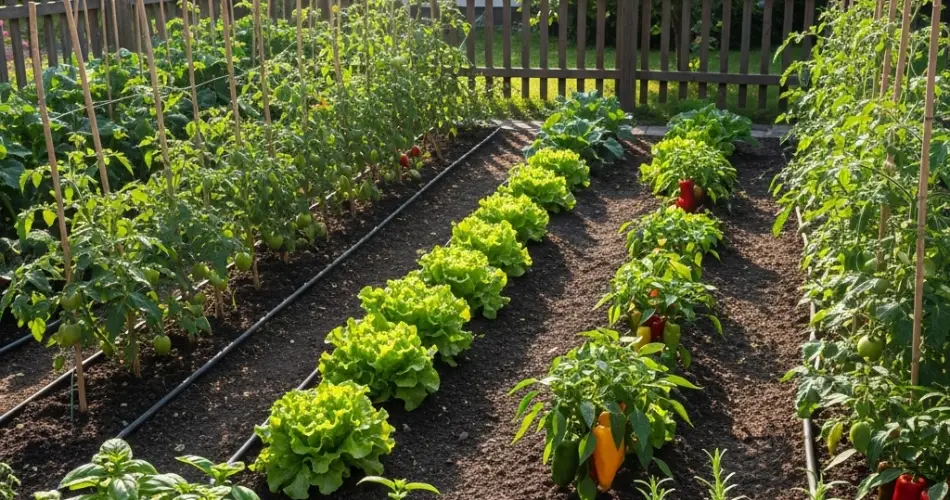
Growing your own vegetables at home is a rewarding and practical way to enjoy fresh, healthy produce while connecting with nature. Whether you have a spacious backyard or a small balcony, setting up a vegetable garden is easier than you might think. This guide will walk you through the essential steps to create a thriving home vegetable garden tailored to your space and needs.
1. Planning Your Vegetable Garden
Before planting, careful planning is essential to ensure your garden flourishes.
-
Assess Your Space: Determine the size and location for your garden. Look for a spot that receives at least 6 to 8 hours of direct sunlight daily, as most vegetables require full sun to grow well.
-
Choose the Garden Type: Depending on your space, you can opt for:
-
Traditional in-ground garden beds
-
Raised beds for better drainage and soil control
-
Container gardening for patios or balconies
-
Vertical gardening to save space
-
-
Select Vegetables: Choose vegetables suited to your climate, soil, and growing season. Consider what your family enjoys eating and vegetables that grow well in your area. Beginners often start with easy-to-grow plants like tomatoes, lettuce, peppers, radishes, and herbs.
2. Preparing the Soil
Good soil is the foundation of a healthy vegetable garden.
-
Test Your Soil: You can buy a soil testing kit or send samples to a local extension service. Testing helps you understand soil pH and nutrient levels.
-
Amend the Soil: Most vegetables thrive in slightly acidic to neutral soil (pH 6.0-7.0). Add organic matter such as compost, well-rotted manure, or peat moss to enrich soil fertility and improve texture.
-
Remove Weeds and Debris: Clear the area of grass, roots, and stones to create a clean bed.
-
Loosen the Soil: Use a garden fork or tiller to break up compacted soil, allowing roots to penetrate easily and improving aeration.
3. Planning Your Garden Layout
Organizing your garden efficiently helps maximize space and productivity.
-
Row Planting: Traditional rows work well in larger spaces. Keep enough distance between rows to allow for watering and harvesting.
-
Square Foot Gardening: Divide your garden into square-foot sections, planting different vegetables in each. This method is space-efficient and great for small gardens.
-
Companion Planting: Plant vegetables that grow well together to improve growth and reduce pests. For example, tomatoes grow well with basil and carrots.
4. Planting Your Vegetables
Once your soil is ready and your layout is planned, it’s time to plant.
-
Seeds or Seedlings: You can start plants from seeds or buy young seedlings from a nursery. Seeds are economical but require patience, while seedlings give you a head start.
-
Planting Depth and Spacing: Follow seed packet instructions for the correct planting depth and spacing. Overcrowding plants can reduce airflow and encourage disease.
-
Watering: Water thoroughly after planting to help seeds germinate or seedlings establish roots.
5. Caring for Your Vegetable Garden
Consistent care ensures your vegetables grow healthy and strong.
-
Watering: Vegetables need about 1 inch of water per week, either from rainfall or irrigation. Water at the base of plants to reduce fungal diseases.
-
Mulching: Apply mulch like straw, wood chips, or shredded leaves around plants to retain moisture, suppress weeds, and regulate soil temperature.
-
Fertilizing: Use organic fertilizers or compost tea every few weeks to supply nutrients during the growing season.
-
Weeding: Remove weeds regularly, as they compete with your vegetables for nutrients and water.
-
Pest Management: Monitor for common pests like aphids, caterpillars, and beetles. Use natural remedies such as neem oil, insecticidal soap, or introduce beneficial insects like ladybugs.
6. Supporting Your Plants
Some vegetables need support to grow properly.
-
Staking and Trellising: Use stakes or trellises for climbing plants like tomatoes, cucumbers, peas, and beans. This keeps plants off the ground, reducing disease risk and making harvesting easier.
-
Pruning: Remove dead or overcrowded foliage to improve airflow and focus the plant’s energy on producing fruit or vegetables.
7. Harvesting Your Vegetables
Harvesting at the right time guarantees the best flavor and nutrition.
-
Know When to Harvest: Each vegetable has its own maturity timeline. Pick vegetables when they are young and tender for best taste, or when they reach the size recommended for your variety.
-
Use Clean Tools: Use scissors or garden shears to harvest crops to avoid damaging plants.
-
Regular Harvesting: Many vegetables produce better when harvested frequently, such as beans and lettuce.
8. Troubleshooting Common Issues
Gardens may encounter problems, but many can be managed with simple solutions.
-
Yellow Leaves: May indicate overwatering, nutrient deficiency, or pest damage.
-
Wilting Plants: Often a sign of underwatering or root problems.
-
Pest Damage: Identify pests early and use organic controls.
-
Diseases: Remove affected leaves and improve airflow.
Conclusion
Setting up a home vegetable garden is a fulfilling project that provides fresh, nutritious food and a rewarding hobby. With proper planning, preparation, and care, you can create a productive garden tailored to your space and preferences. Whether you grow a few containers of herbs or a full backyard vegetable patch, the benefits of gardening are plentiful—from improved health to environmental sustainability.
Start small, learn as you go, and enjoy the process of nurturing your garden from seed to harvest.


