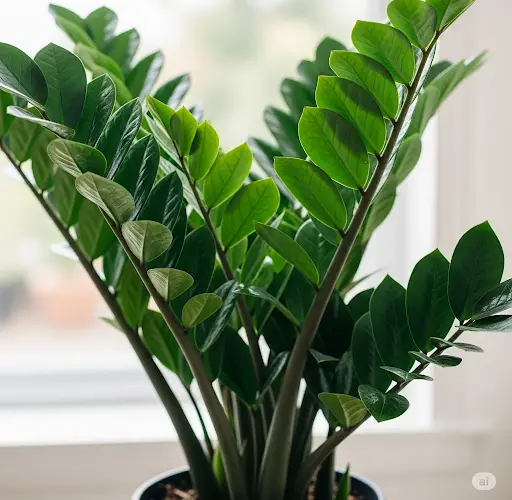
Zamioculcas zamiifolia, commonly known as the ZZ plant, is a popular indoor plant loved for its glossy, dark green leaves and its remarkable ability to tolerate low light and infrequent watering. Despite its resilience, even the hardiest ZZ plant can sometimes look weak, pale, or stop growing. If your Zamioculcas is struggling, there’s a simple and effective method to help it revive, regain its vibrant green color, and resume healthy growth — adding two tablets to its watering routine.
Understanding Zamioculcas Care Basics
Before diving into the revival technique, it’s essential to understand the basic needs of the ZZ plant. Native to East Africa, Zamioculcas thrives in environments with indirect light and well-drained soil. Overwatering is the most common issue faced by ZZ plant owners, leading to root rot and weakened growth. Conversely, underwatering can cause leaves to yellow and drop.
The ZZ plant stores water in its thick, potato-like rhizomes, which allows it to survive droughts. This characteristic often misleads owners into neglecting regular care or assuming it doesn’t need nutrients frequently. However, like all plants, Zamioculcas benefits from balanced feeding and occasional supplementation, especially if it appears weak or pale.
Why Your ZZ Plant Might Be Weak
If your ZZ plant has started looking weak — leaves turning yellow or pale green, stunted growth, or drooping stems — several factors could be responsible:
-
Nutrient Deficiency: Over time, the soil may lose essential nutrients needed for healthy foliage and root development.
-
Improper Watering: Both over- and underwatering can stress the plant.
-
Lack of Light: While ZZ plants tolerate low light, insufficient indirect sunlight can slow their growth and reduce leaf vibrancy.
-
Pests or Disease: Sometimes pests like spider mites or fungal infections may cause damage.
-
Environmental Stress: Sudden changes in temperature, drafts, or low humidity can affect the plant’s health.
Addressing these factors helps, but often the quickest way to boost a struggling ZZ plant is through targeted supplementation.
The Power of Adding Tablets to Your ZZ Plant’s Water
One highly effective yet simple trick to help a weak Zamioculcas is to add two tablets—such as effervescent multivitamin tablets or specialized plant nutrient tablets—directly to its watering routine.
Here’s why this works:
-
Fast Nutrient Absorption: Tablets dissolve quickly in water, releasing a burst of essential nutrients and minerals directly accessible to the plant’s roots.
-
Balanced Feeding: Multivitamin tablets typically contain a range of minerals and trace elements such as potassium, magnesium, calcium, and iron—all vital for chlorophyll production and cell growth.
-
Stimulates Green Color: Nutrients like iron and magnesium play a crucial role in the formation of chlorophyll, which restores the rich green hue of leaves.
-
Boosts Growth: Adequate nutrition encourages cell division and elongation, leading to healthier stems and new leaves.
-
Ease of Use: Tablets are easy to store, measure, and dissolve, making supplementation straightforward.
How to Use Tablets in Your Watering Routine
-
Choose the Right Tablets: Look for effervescent multivitamins or plant nutrient tablets that are safe and free from harmful additives. Avoid tablets with high sugar content or artificial dyes if unsure.
-
Dissolve in Water: For one watering session, dissolve two tablets in a liter of water. Ensure they fully dissolve before applying.
-
Water the Plant: Use this nutrient-rich water to water your ZZ plant as usual. Make sure the soil drains well and does not remain soggy.
-
Frequency: Use this supplementation once every two weeks during the growing season (spring and summer). In dormant seasons (fall and winter), reduce frequency or stop as the plant requires less nutrition.
-
Observe: Within a week or two, you should see signs of improvement—leaves will deepen in green color, stems will become sturdier, and new growth may appear.
Additional Tips for ZZ Plant Care
-
Light: Place your ZZ plant in bright, indirect light. Avoid direct sunlight, which can scorch the leaves.
-
Watering: Water only when the top 3-5 cm of soil feel dry. Overwatering is more harmful than underwatering.
-
Soil: Use a well-draining potting mix to prevent root rot.
-
Temperature and Humidity: ZZ plants prefer temperatures between 18–24°C (65–75°F) and moderate humidity.
-
Repotting: Repot every 2-3 years or when the plant outgrows its container.
Why This Method Stands Out
Many people resort to expensive fertilizers or complicated care routines to rescue ailing houseplants. However, the simplicity of adding two nutrient tablets to the watering regimen is a cost-effective, accessible, and quick way to provide what the plant needs most: essential minerals and trace elements.
This method is particularly suitable for beginners or those who want a low-maintenance way to keep their ZZ plants thriving. It’s also a gentle boost, avoiding the risk of over-fertilizing.
Conclusion
A weak or pale Zamioculcas is not a lost cause. With just a small adjustment—adding two tablets to your watering routine—you can breathe new life into your plant. This easy, natural method helps restore green vibrancy and encourages growth, making your ZZ plant a beautiful and resilient addition to your indoor garden once again.
Give your ZZ plant this simple care tip and watch it transform into a lush, green beauty that brightens any room!


