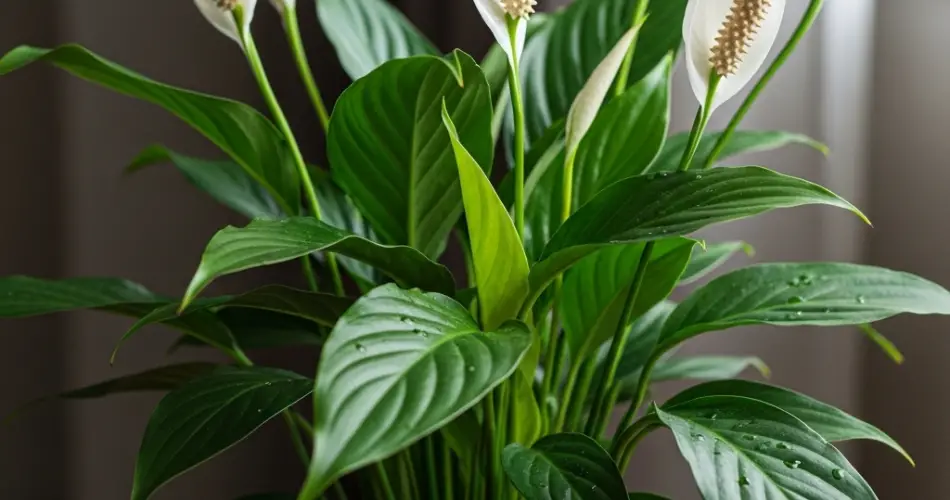
Peace lilies are popular indoor plants because of their elegant white blooms and lush, glossy foliage. However, even the healthiest peace lily can suddenly start drooping, leaving plant owners worried. The good news is that a drooping peace lily is usually not a lost cause. With the right care and timely adjustments, you can revive your plant and restore its graceful appearance. Understanding the reasons behind the droop and applying the right remedies will make the difference between a struggling plant and one that flourishes again.
Why Do Peace Lilies Droop?
Drooping leaves are a peace lily’s way of signaling distress. The most common causes include:
-
Underwatering – Peace lilies are quick to show when they’re thirsty. If the soil becomes too dry, the leaves lose their firmness and droop.
-
Overwatering – Too much water can suffocate the roots and lead to rot, which also results in wilting foliage.
-
Poor drainage – If water remains trapped in the soil, the roots struggle to absorb oxygen, weakening the plant.
-
Low humidity or heat stress – Dry air or high temperatures can cause moisture loss from the leaves.
-
Nutrient deficiencies – Lack of essential nutrients over time can make the plant weak and unable to support itself.
By identifying the root cause, you can act quickly to revive the plant.
Step 1: Assess the Soil Moisture
The first step in reviving a drooping peace lily is checking the soil. Insert your finger about an inch deep into the potting mix. If it feels dry, the plant is underwatered. If it feels soggy or has a sour smell, overwatering is likely the issue. This quick test helps determine the best course of action.
Step 2: Adjust Your Watering Routine
-
If underwatered: Give the plant a deep soak. Place the pot in a sink or basin and water thoroughly until excess drains from the bottom. This ensures the entire root ball is rehydrated. The leaves should perk up within a few hours.
-
If overwatered: Allow the soil to dry out before watering again. In severe cases, repot the plant into fresh, well-draining soil. Trim away any mushy, blackened roots to prevent further damage.
Consistency is key. Water only when the top inch of soil feels dry to the touch, avoiding both extremes of neglect and excess.
Step 3: Improve Drainage
A peace lily’s roots must have access to oxygen. Always ensure the pot has drainage holes. If water tends to collect in the saucer beneath, empty it promptly after watering. Consider using a well-aerated potting mix containing peat moss, perlite, or coco coir to encourage better water flow and air circulation around the roots.
Step 4: Check Light and Location
Peace lilies thrive in bright, indirect light. Too little light reduces their ability to photosynthesize, while harsh direct sunlight can scorch their leaves and worsen drooping. Relocate your plant near a north- or east-facing window, or place it in a room with filtered sunlight. If natural light is limited, a grow light can help maintain healthy growth.
Step 5: Restore Humidity
Dry indoor air, especially during winter or in air-conditioned spaces, can lead to drooping and brown leaf edges. To boost humidity:
-
Mist the leaves lightly with water.
-
Place the pot on a tray filled with pebbles and water, ensuring the roots don’t sit directly in the water.
-
Use a humidifier in the room to maintain stable moisture levels in the air.
Peace lilies flourish in humidity levels above 50%, which closely mimics their tropical habitat.
Step 6: Feed the Plant Wisely
If your peace lily hasn’t been fertilized in a while, a lack of nutrients might be contributing to its weakness. During the growing season, feed the plant every six to eight weeks with a balanced, water-soluble fertilizer. Avoid over-fertilizing, as too much can burn the roots and cause further stress. A gentle feeding routine supports recovery and encourages fresh growth.
Step 7: Prune Damaged Leaves
After reviving your plant, some leaves may not recover fully. Trim away yellowed, brown, or limp foliage with clean scissors. This directs the plant’s energy toward healthy leaves and new growth. Removing old flower stalks also helps redirect resources to leaf production and overall vitality.
Step 8: Be Patient and Consistent
Reviving a drooping peace lily doesn’t happen overnight. While some plants bounce back quickly after watering, others take a few days to regain their strength. Consistency in watering, lighting, and humidity will help the plant recover steadily. Patience is essential—peace lilies are resilient and usually respond well to attentive care.
Conclusion
A drooping peace lily is a clear cry for help, but it doesn’t mean your plant is beyond saving. By identifying the cause—whether underwatering, overwatering, poor drainage, or environmental stress—you can take corrective action to revive it. With proper watering habits, the right light conditions, good humidity, and occasional feeding, your peace lily can return to its lush, upright form. A little attention and care will reward you with a healthy, thriving plant that continues to bring elegance and calm to your home.


