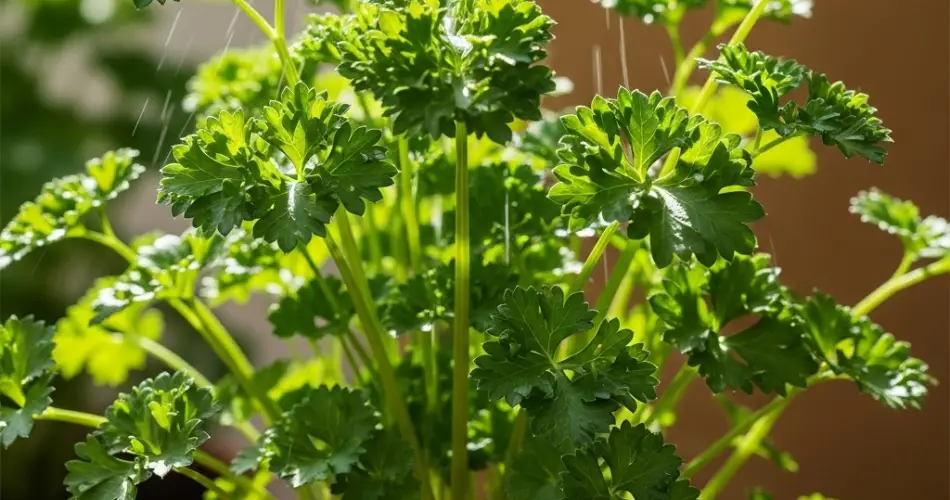
Parsley isn’t just a garnish—it’s a flavorful, nutrient-packed herb that’s easy to grow and maintain throughout the year. Whether you’re a seasoned gardener or a beginner, growing parsley successfully can be rewarding and surprisingly simple. With the right care and attention, you can enjoy a continuous harvest of vibrant, lush parsley straight from your garden or windowsill.
This guide covers everything you need to know to raise parsley for abundant, year-round growth.
Why Grow Parsley?
Parsley is a biennial herb most commonly grown as an annual for its flavorful leaves. It’s rich in vitamin C, vitamin K, and iron, making it a healthy addition to meals. It’s also an attractive plant, adding lush green texture to gardens, containers, or indoor herb setups. Plus, it grows well in small spaces, making it ideal for apartment dwellers or those with limited outdoor areas.
Choosing the Right Type
There are two main varieties of parsley:
-
Curly Leaf (Petroselinum crispum): This type is decorative and often used as a garnish. It’s compact and lush, perfect for containers.
-
Flat Leaf or Italian Parsley (Petroselinum neapolitanum): This variety has a stronger flavor and is preferred in cooking. It grows a bit taller and may need some support.
Both types can be grown with equal success year-round with proper conditions.
Starting Parsley from Seed
Parsley grows well from seed but requires a bit of patience as it’s slow to germinate. Here’s how to start:
-
Soak the Seeds: Before planting, soak the seeds in warm water for 12–24 hours. This helps break their hard coating and speeds up germination.
-
Sow Seeds Indoors: Use seed trays or small pots filled with seed-starting mix. Sow seeds about 1/4 inch deep and lightly cover with soil.
-
Provide Warmth and Light: Place the tray in a warm spot or on a heat mat. Keep the soil moist but not soggy. Germination can take 2–4 weeks, so be patient.
-
Transplant Seedlings: Once seedlings have a few sets of true leaves and are about 2–3 inches tall, they can be transplanted to larger containers or your garden bed.
Ideal Growing Conditions
Light: Parsley thrives in full sun but can tolerate partial shade. Aim for 6 hours of sunlight per day. If growing indoors, place pots near a sunny window or use a grow light.
Soil: Use well-draining, nutrient-rich soil with a neutral pH (6.0–7.0). Mix compost or aged manure into the soil before planting for better results.
Watering: Keep the soil consistently moist but not waterlogged. Water when the top inch of soil feels dry. Mulching around the base of the plant helps retain moisture and regulate soil temperature.
Fertilizing for Vibrant Growth
Parsley is a moderate feeder. Apply a balanced, all-purpose fertilizer every 4–6 weeks to encourage strong leaf production. If growing in containers, use a liquid fertilizer diluted to half-strength every 2–3 weeks.
For an organic approach, top-dress the soil with compost or use fish emulsion or seaweed extract.
Caring for Parsley Throughout the Year
To keep parsley vibrant year-round:
-
Harvest Regularly: Pick outer leaves first, snipping at the base of the stem. Regular harvesting promotes bushier growth and prevents the plant from bolting (flowering prematurely).
-
Pinch Off Flower Buds: If parsley starts to bolt, especially in its second year, pinch off any flower stalks to prolong leaf production.
-
Rotate Indoor Pots: If growing indoors, rotate pots weekly to ensure even light exposure and prevent the plant from leaning.
Growing in Containers
Parsley is well-suited to containers. Choose pots that are at least 8 inches deep with drainage holes. Use high-quality potting mix and water more frequently than you would for garden-grown plants, as containers dry out faster.
Dwarf and curly varieties are particularly good choices for limited space.
Overwintering Tips
In mild climates, parsley can grow through winter with minimal protection. In colder areas:
-
Mulch heavily around garden-grown plants in late fall.
-
Bring potted plants indoors and place them in a sunny window.
-
Use a cold frame or cloche to shield outdoor parsley from frost.
Common Pests and Problems
Parsley is generally low-maintenance, but keep an eye out for:
-
Aphids: Spray with a mix of water and a few drops of dish soap.
-
Slugs and snails: Remove manually or use organic slug pellets.
-
Fungal issues: Avoid overhead watering and ensure good air circulation.
Final Thoughts
Parsley is a versatile, hardy herb that anyone can grow, regardless of experience or available space. With the right conditions—sunlight, moisture, and regular harvesting—you can keep your parsley lush and productive all year long. Whether in a backyard garden or a sunny kitchen windowsill, parsley offers both culinary value and visual appeal.
Add this easy-to-grow herb to your garden, and enjoy the rewards of fresh, homegrown flavor with minimal hassle.


