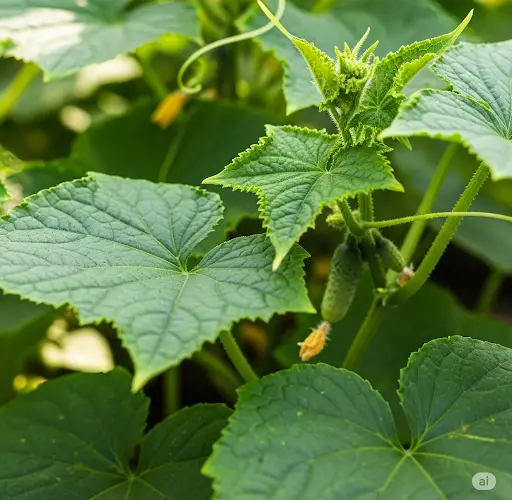
If you’ve ever grown cucumbers, you know how frustrating it can be to see the leaves turn yellow just when the plants should be thriving. Yellowing leaves not only spoil the beauty of your garden but also indicate that the plants are stressed and fruit production is suffering. However, there’s a simple and effective way to quickly save your cucumbers from yellowing and trigger an abundant harvest — often producing fruits by the ton.
This article will guide you through the causes of yellowing in cucumbers, what you can do immediately to reverse it, and how to maintain healthy, productive plants that bear plenty of delicious cucumbers throughout the season.
Understanding Why Cucumber Leaves Turn Yellow
Yellowing leaves on cucumbers can result from several factors, but the most common causes include:
-
Nutrient deficiencies: A lack of magnesium, nitrogen, or potassium can cause chlorosis (yellowing), reducing the plant’s ability to photosynthesize.
-
Water stress: Both underwatering and overwatering can cause leaves to turn yellow.
-
Pests and diseases: Aphids, spider mites, fungal infections, and bacterial wilt can lead to discoloration.
-
Environmental stress: Extreme heat, poor soil drainage, or compacted soil can stress plants.
-
Aging: Older leaves naturally yellow and die off as part of the plant’s lifecycle.
Identifying the cause is essential for effective treatment, but in most cases, nutrient deficiency and water imbalance are the primary culprits.
Immediate Action: The Natural Rescue Formula
To quickly reverse yellowing and stimulate cucumber fruiting, gardeners can use a natural nutrient-rich solution made from common household ingredients. This treatment nourishes the plants deeply, restores green foliage, and boosts flowering and fruit development rapidly.
Ingredients:
-
1 tablespoon of Epsom salt (magnesium sulfate)
-
1 tablespoon of wood ash (rich in potassium)
-
1 liter of warm water
How to Prepare and Apply
-
Dissolve the Epsom salt and wood ash in warm water, stirring thoroughly.
-
Let the solution cool if needed.
-
Pour approximately 1 cup (200–250 ml) of this mixture directly at the base of each cucumber plant, focusing on moist soil to avoid root burn.
-
Apply once every 10 days during the fruiting period or whenever yellowing appears.
This blend supplies magnesium, potassium, and trace calcium — all critical for green leaves, strong stems, and abundant fruit production.
Why This Works
-
Magnesium is essential for chlorophyll production, giving leaves their vibrant green color and enabling effective photosynthesis.
-
Potassium improves flower formation, strengthens plant immunity, and boosts fruit quality.
-
Calcium (from wood ash) aids cell wall strength, reducing leaf spotting and disease vulnerability.
Together, these elements help the plant recover quickly from stress, restore healthy foliage, and increase the number of flowers that set into fruits.
Additional Tips for Maximizing Cucumber Health and Yield
To keep your cucumbers thriving beyond the rescue treatment, consider these gardening best practices:
-
Consistent watering: Cucumbers need steady moisture. Avoid letting the soil dry out completely or become waterlogged.
-
Mulching: Use straw, grass clippings, or shredded leaves to maintain soil moisture and temperature.
-
Regular feeding: Besides rescue treatments, feed cucumbers with balanced organic fertilizers or compost teas every 2–3 weeks.
-
Pest control: Inspect plants regularly for pests like aphids and spider mites. Use natural sprays such as neem oil or insecticidal soap if needed.
-
Proper spacing and support: Plant cucumbers with adequate spacing for airflow and use trellises to prevent disease and improve fruit quality.
-
Remove yellow leaves: Trim off old or severely yellow leaves to direct the plant’s energy toward new growth and fruiting.
What to Avoid
-
Excess nitrogen: While nitrogen promotes leafy growth, too much can cause lush foliage but fewer fruits. The balance provided by the natural rescue formula helps avoid this problem.
-
Overwatering: Saturated soil reduces oxygen to roots and can cause root rot, leading to leaf yellowing.
-
Ignoring soil health: Poor soil drainage or compaction can stress plants. Regularly aerate soil and add organic matter to improve structure.
Real Results: What to Expect
Once you apply this natural rescue treatment, many gardeners observe changes within days:
-
Leaves regain a rich green hue and stop yellowing.
-
Vines grow stronger and more vigorous.
-
Flowering increases, leading to a boost in cucumber formation.
-
Fruit size and quality improve noticeably.
-
Harvest volume increases dramatically, sometimes even doubling or tripling compared to untreated plants.
Final Words
Yellowing leaves on cucumbers don’t have to mean disaster for your garden. With a quick intervention using a simple, natural formula and good gardening practices, you can save your plants and enjoy a bountiful harvest.
Start using the rescue mixture as soon as you notice yellowing or signs of stress, and continue care throughout the growing season. Your cucumbers will thank you by producing tons of fresh, delicious fruit — perfect for salads, pickling, or fresh eating.
Try this natural method today and watch your cucumbers come back to life, greener and more productive than ever.


