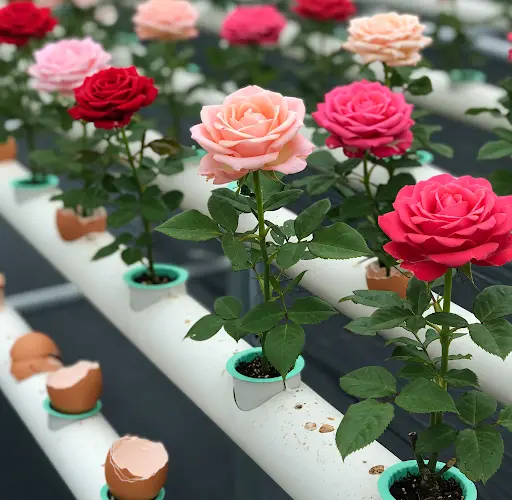
Roses are one of the most beloved flowers in the world, known for their beauty, fragrance, and symbolism. While they’re traditionally grown from cuttings or grafts, there’s a surprisingly simple, organic way to increase your success rate: using eggshells. This natural method can improve germination, boost root development, and help roses thrive with fewer chemicals or synthetic fertilizers.
If you’re looking for a reliable way to propagate roses and enjoy long-lasting blooms throughout the year, read on to learn how crushed eggshells can be a game-changer in your garden.
Why Eggshells Help Roses Grow
Eggshells are rich in calcium carbonate—about 95%—along with trace minerals like magnesium and phosphorus. These nutrients play a critical role in root development and overall plant health. When incorporated into the propagation process, eggshells:
-
Improve soil structure
-
Balance pH in slightly acidic soils
-
Boost calcium for stronger roots and stems
-
Deter some pests (like slugs)
-
Slowly release nutrients over time
Using eggshells creates a nutrient-rich environment that supports seedling and cutting growth without relying on synthetic additives.
What You’ll Need
To try this propagation method at home, gather the following:
-
Healthy rose cuttings (6–8 inches long, with at least 2–3 nodes)
-
Cleaned eggshells (at least 4–6 for several cuttings)
-
Small pots or seedling trays
-
Potting soil or seed-starting mix
-
A spray bottle with clean water
-
Rooting hormone (optional)
-
A plastic bag or dome (for humidity)
Step-by-Step Guide
1. Prepare the Eggshells
After using the eggs, rinse the shells thoroughly to remove any remaining yolk or membrane. Allow them to dry completely, then crush them into small pieces using a mortar and pestle or the back of a spoon. The goal is to create coarse granules, not powder. You can also grind them more finely if mixing into soil.
Set some shells aside uncrushed if you want to use them as miniature planting cups for small cuttings.
2. Prepare the Rose Cuttings
Select semi-hardwood stems (not too green or woody) from a healthy rose bush. Cut each stem to 6–8 inches, ensuring it has several leaf nodes. Remove all flowers, buds, and the bottom leaves, leaving only the top set of leaves.
Trim the base of the cutting at a 45-degree angle just below a node. If desired, dip the cut end in rooting hormone to speed up root development.
3. Use Eggshells as Rooting Boosters
There are two ways to use eggshells in this method:
Option A: Mix with Soil
Blend the crushed eggshells directly into the potting soil at a 1:4 ratio (one part shells to four parts soil). This mixture helps improve soil drainage and delivers slow-release calcium as the shells decompose.
Option B: Eggshell Planting Cups
Use half eggshells as mini pots. Fill each half with potting mix and insert a small cutting. This not only provides nutrients but also reduces transplant shock later—just plant the entire shell into the ground or a larger pot when ready.
4. Plant the Cuttings
Place your prepared rose cuttings into the soil or into the eggshell cups. Firm the soil gently around each stem to ensure good contact. Water lightly using a spray bottle to moisten the soil without over-saturating it.
For best results, cover the cuttings with a clear plastic bag or a mini greenhouse dome to trap humidity and promote root growth. Keep them in a warm, bright area with indirect sunlight.
5. Care and Monitoring
Check the moisture level daily and mist as needed to maintain a humid environment. Avoid overwatering, which can cause rot.
In 7 to 14 days, check for resistance by gently tugging on the stem—if there’s resistance, roots have likely formed. Full root systems typically appear in 3–4 weeks, and new leaves may begin to sprout soon after.
As the rose cuttings develop, the eggshells continue to enrich the soil, supporting lush foliage and stronger, more disease-resistant growth.
6. Transplant and Enjoy Blooms Year-Round
Once the rose cuttings are well-rooted and at least 6 inches tall with multiple leaves, they can be transplanted into larger pots or directly into your garden. If you used eggshell cups, simply crush the shell gently and plant the whole thing into the soil—it will decompose naturally and continue to feed the plant.
With proper care, these roses can bloom in their first season and continue providing beauty throughout the year—especially if you live in a mild climate or use a greenhouse.
Final Tips
-
Add new crushed eggshells every few months to replenish nutrients.
-
Water regularly but ensure good drainage.
-
Feed with organic compost or rose fertilizer during active growth.
-
Prune regularly to encourage blooming.
Conclusion
Using eggshells to propagate roses is a natural, eco-friendly method that improves your chances of success while reducing waste. Whether you’re a beginner or an experienced gardener, incorporating eggshells into your rose propagation routine can lead to healthier plants, stronger roots, and continuous blooms all year long.
Give it a try, and you may never throw away an eggshell again.


