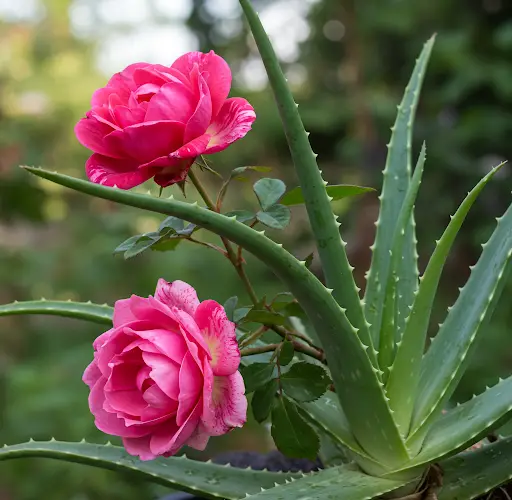
Roses are cherished for their beauty and fragrance, but propagating them from cuttings can often seem intimidating—especially for beginner gardeners. While traditional methods rely on commercial rooting hormones or specialized tools, there’s a simple, all-natural alternative that dramatically increases your success rate: aloe vera.
Aloe vera, a common succulent found in many homes and gardens, is more than just a skin soother. It also works as a natural rooting hormone and immunity booster for plant cuttings. In fact, gardeners who use aloe vera report healthier cuttings, faster root development, and an almost 100% success rate.
This article explores how aloe vera helps in rose propagation and offers a clear, step-by-step guide you can follow at home.
Why Aloe Vera Works for Rose Propagation
Aloe vera is rich in vitamins, enzymes, and natural plant hormones that stimulate cell growth and root development. Here are some key reasons it’s so effective:
-
Natural Rooting Hormones: Aloe contains compounds like gibberellins and auxins that encourage root initiation.
-
Antibacterial and Antifungal Protection: These properties help prevent common cutting diseases and rot.
-
Hydration and Nutrient Boost: Aloe’s gel provides moisture, amino acids, and trace minerals that strengthen cuttings during the rooting process.
-
Easy to Use and 100% Organic: It’s chemical-free and safe for use on all plants.
Aloe vera acts like a “booster shot” for rose cuttings, improving their ability to survive, root, and thrive.
What You’ll Need
-
Healthy rose stem cuttings (6–8 inches long, semi-hardwood)
-
Fresh aloe vera leaf (or store-bought aloe gel without additives)
-
Clean knife or pruning shears
-
Small pots with well-draining soil (or water if using the water propagation method)
-
A clear plastic bag or dome (optional for humidity)
-
Clean water
Step-by-Step: Propagating Roses with Aloe Vera
Step 1: Take Rose Cuttings
Choose a healthy rose stem that is semi-hardwood — not too soft and green, not too woody. Using a clean, sharp knife or pruners, cut a 6–8 inch section just below a leaf node (the bump where leaves emerge).
Remove all the leaves from the lower half of the stem, and any flower buds if present. Leave only a couple of top leaves to reduce water loss.
Step 2: Prepare the Aloe Vera
Slice open a thick aloe vera leaf. Scoop out the gel into a bowl or dip the cuttings directly into the fleshy side of the leaf.
For multiple cuttings, blend the gel with a little water to create a smooth, natural rooting solution. This helps ensure every cutting is evenly coated.
Step 3: Dip the Cuttings in Aloe Gel
Dip the bottom end of each cutting (about 1–2 inches) into the aloe vera gel. Make sure the part with the leaf nodes — where roots will form — is well coated. You can also soak the cuttings in the aloe mixture for 30 minutes for extra hydration and protection.
Step 4: Choose Your Planting Method
A. Soil Propagation Method
Fill a small pot with moist, well-draining soil. Make a small hole and gently insert the cutting, firming the soil around it. Water lightly and cover the pot with a clear plastic bag or dome to create a mini greenhouse effect, which keeps humidity high and promotes rooting.
B. Water Propagation Method
Place the aloe-treated cutting into a glass of clean water, making sure only the bottom inch is submerged. Change the water every 2–3 days to prevent stagnation and bacteria buildup.
Place the container in a bright area with indirect sunlight.
Step 5: Monitor and Transplant
Roots typically begin to develop within 7–14 days. In the water method, you’ll see roots forming visibly. In soil, you can gently tug on the cutting after two weeks—resistance means roots have formed.
Once roots are 1–2 inches long, you can transplant the rose cutting into a larger pot or directly into your garden.
Tips for Success
-
Use fresh aloe gel from the plant whenever possible. It’s more potent than store-bought alternatives.
-
Don’t expose the cuttings to direct sun during the rooting phase; bright, indirect light is best.
-
Maintain consistent humidity—especially for soil propagation. The plastic covering can be removed once you see new growth.
-
Avoid overwatering, especially in soil, as this can cause rot.
Final Thoughts
Aloe vera provides a natural, affordable, and highly effective way to propagate roses. Whether you’re a seasoned gardener or trying propagation for the first time, this method is simple and yields excellent results. Not only does aloe stimulate faster rooting, but it also helps cuttings resist infection and stress, resulting in stronger, healthier rose plants.
The next time you prune your rose bush, don’t toss those cuttings—give them a dip in aloe vera and grow a whole new generation of beautiful blooms right from home.


