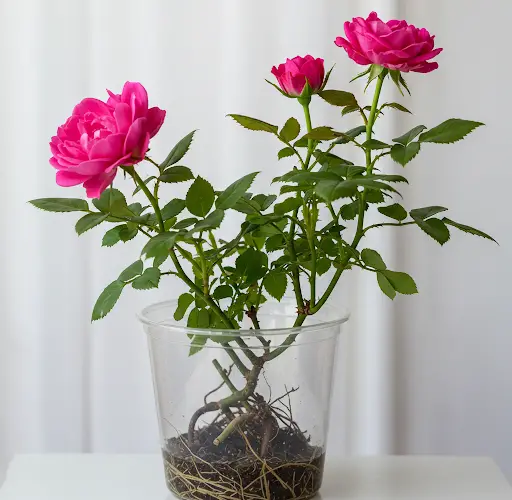
If you love roses and want to expand your collection without spending a fortune, propagating them from cuttings is a rewarding and cost-effective way to grow more plants. While traditional methods of propagating roses can work well, creating a homemade mini greenhouse to support your cuttings can take your success to the next level.
A mini greenhouse provides the ideal environment for your rose cuttings to root quickly, protecting them from external elements, and ensuring they receive the right amount of warmth and humidity. By controlling the conditions, you can significantly improve the chances of successful propagation. In this article, we’ll guide you through how to create a mini greenhouse and use it to propagate your roses with ease.
Why Use a Mini Greenhouse for Rose Propagation?
A mini greenhouse offers several advantages when propagating rose cuttings:
-
Humidity Control: Roses need high humidity to root successfully. A mini greenhouse traps moisture and creates a humid environment that is essential for rose cuttings to thrive.
-
Temperature Regulation: The greenhouse effect helps maintain a stable temperature, which is crucial for promoting root growth. Roses typically prefer temperatures between 65°F and 75°F (18°C – 24°C) for optimal rooting.
-
Protection from Elements: A greenhouse provides protection from harsh weather, pests, and dry air, giving your rose cuttings a safe space to grow and develop roots.
-
Enhanced Rooting Conditions: By maintaining proper temperature, humidity, and light levels, a mini greenhouse promotes quicker and more reliable rooting.
Materials You’ll Need
To create your own homemade mini greenhouse for propagating roses, gather the following materials:
-
Rose cuttings (6–8 inches long)
-
Clean, sharp pruning shears or a knife
-
A small, clear plastic container or a mini greenhouse kit
-
A shallow tray (optional)
-
Well-draining potting soil or propagation mix
-
A spray bottle or watering can
-
Plastic wrap or a plastic dome (if not using a pre-made greenhouse kit)
-
Small pots or containers (to plant the cuttings)
-
A clear plastic bag or plastic wrap to cover the cuttings
Step-by-Step Guide to Propagating Roses in a Homemade Mini Greenhouse
1. Prepare the Rose Cuttings
Start by selecting healthy rose stems from your garden. It’s important to use semi-hardwood cuttings, which are stems that are mature enough to root but still flexible. These are typically taken in late spring or early summer when the plant is actively growing.
Using clean, sharp pruning shears or a knife, cut a 6–8 inch section from the rose stem just below a leaf node (where leaves attach to the stem). Remove any flowers or buds from the cutting to direct energy toward root development. Also, strip off the leaves from the lower half of the cutting to reduce moisture loss.
For better rooting, you can scrape the bottom inch of the cutting to expose the cambium layer. This is where the roots will develop.
2. Prepare the Planting Medium
Rose cuttings need well-draining soil to prevent waterlogged conditions that could lead to rot. You can use a specialized propagation mix or a simple combination of perlite, peat moss, and vermiculite. Fill small pots with this soil mixture, leaving a little space at the top to prevent overflow when watering.
If you don’t have pre-made propagation mix, you can also use regular potting soil as long as it’s light and well-draining. For the best success, add a little perlite or sand to improve aeration.
3. Dip the Rose Cuttings in Rooting Hormone (Optional)
While not strictly necessary, rooting hormone can help increase the chances of successful rooting. If you choose to use it, simply dip the bottom inch of each cutting into the rooting hormone powder. Shake off any excess, as too much can hinder the rooting process.
4. Insert the Cuttings into the Soil
Create small holes in the soil of your pots using a stick, pencil, or your finger. Insert each rose cutting into the hole, ensuring that the bottom inch is buried in the soil. Gently firm the soil around the cutting to secure it in place.
Water the soil lightly after planting the cuttings to settle the soil and remove air pockets.
5. Create Your Mini Greenhouse
To create the ideal humid environment for your rose cuttings, you’ll need to cover them to maintain moisture and warmth. There are a couple of ways to do this:
-
Using a Clear Plastic Container: Place the pots with cuttings inside a clear plastic container or a pre-made mini greenhouse. Make sure the container has a lid or cover to trap moisture.
-
Using Plastic Wrap or a Dome: If you don’t have a mini greenhouse kit, cover the pots with a clear plastic bag or plastic wrap to create a makeshift greenhouse. You can also use a plastic dome to cover the cuttings, as long as it allows for some air circulation to prevent mold.
Place the covered cuttings in a location with bright, indirect light. Avoid direct sunlight, as this can be too harsh and dry out the cuttings.
6. Maintain the Right Conditions
The key to successful rose propagation is maintaining the right conditions:
-
Humidity: Keep the environment humid by spraying the inside of the greenhouse or plastic covering with water every couple of days. If you’re using a mini greenhouse kit with a lid, you won’t need to mist as often, but check the moisture level regularly.
-
Temperature: Maintain a temperature between 65°F and 75°F (18°C – 24°C). If the area is too cold, the cuttings may not root properly. Conversely, if the temperature gets too high, the cuttings may dry out. Try to keep the temperature stable.
-
Air Circulation: Open the greenhouse cover for 5–10 minutes every day to allow fresh air to circulate. This will help prevent fungal issues while maintaining the ideal humidity level.
7. Check for Rooting and New Growth
After about 3–4 weeks, check the cuttings for roots. You can gently tug on the cuttings to see if they resist, which indicates that they’ve started to form roots. Look for new leaf growth, which is another sign that the cutting is rooting successfully.
Once the cuttings have rooted and you see new growth, you can begin to harden them off by gradually exposing them to outdoor conditions for a few hours each day.
Final Tips for Success
-
Be patient: Rose cuttings can take anywhere from 4 to 8 weeks to root fully, so give them time and don’t rush the process.
-
Ensure proper drainage: Overwatering can lead to root rot, so make sure your pots have drainage holes and that the soil doesn’t stay soggy.
-
Keep the cuttings in indirect light: Too much direct sunlight can stress the cuttings and hinder root development.
Conclusion
Propagating roses in a homemade mini greenhouse is a simple and effective way to increase your rose collection without spending a lot of money. By providing the right conditions for rooting, such as high humidity, consistent temperature, and a protective environment, you can ensure that your rose cuttings will thrive and grow into healthy plants.
With this method, you can propagate roses year-round and enjoy beautiful, vibrant blooms in your garden. Give it a try and watch your rose garden flourish!


