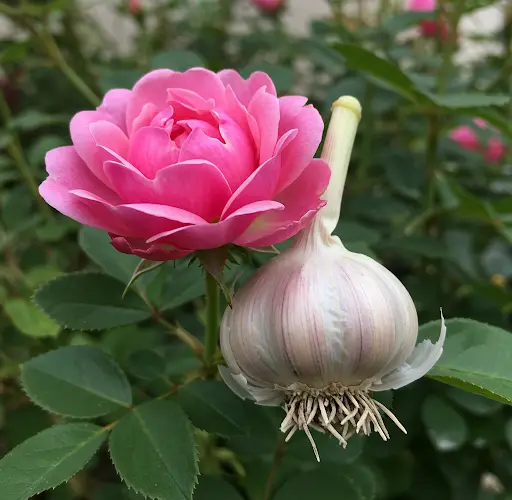
While roses are typically propagated from cuttings, many gardeners overlook another natural method: growing roses from their fruits, known as rose hips. This method, combined with the natural power of garlic, can give your rose propagation a significant boost. Garlic, known for its antifungal and antibacterial properties, helps protect developing seeds while encouraging healthier root and shoot growth.
If you’ve ever wondered what to do with those bulbous rose hips that appear after the flowers fade, this guide will show you how to turn them into new, thriving rose plants—using nothing more than a single garlic clove and a bit of patience.
Understanding Rose Hips
Rose hips are the seed-filled fruits that form after a rose flower dies back. Usually red or orange in color, these fruits contain the seeds necessary to grow entirely new rose plants. However, unlike cuttings, rose hip propagation takes longer and produces genetically unique plants, which means the offspring may not look exactly like the parent rose—but that’s part of the charm!
This method is especially fun for gardeners looking to experiment or grow new varieties from existing plants.
What You’ll Need
To begin propagating roses from their fruits, gather the following:
-
Fresh, ripe rose hips (harvested in late summer or autumn)
-
One clove of garlic
-
A sharp knife
-
Paper towels or a sieve
-
Small pots or seed trays
-
Well-draining potting mix
-
Spray bottle with water
-
A fine mesh or plastic bag (for humidity control)
Step-by-Step Guide to Rose Propagation with Garlic
1. Harvest and Prepare the Rose Hips
Choose rose hips that are plump, brightly colored, and slightly soft to the touch—signs that they are mature and ready for harvesting. Cut them from the bush using clean garden shears.
Slice each rose hip open carefully and scoop out the seeds. You’ll often find a tangle of seeds surrounded by fuzzy pulp. Rinse the seeds thoroughly using a sieve under cool water to remove the pulp and fibers, which can inhibit germination.
Spread the cleaned seeds on a paper towel to dry slightly.
2. Prepare the Garlic Solution
Garlic is rich in allicin, a compound known for its antimicrobial and antifungal effects. It not only protects rose seeds from pathogens during early development but may also promote root formation.
Peel one clove of garlic and crush it with a spoon or pestle. Add it to a cup of lukewarm water and let it steep for 15–20 minutes. Strain out the solids, keeping the garlic-infused water.
Soak the rose seeds in this garlic solution for 30 minutes. This will help sanitize them and may stimulate better root development.
3. Cold Stratification (Optional but Recommended)
In nature, rose seeds experience winter before they germinate. Mimicking this process through cold stratification improves germination rates.
Place the soaked seeds in a damp paper towel, fold it, and store it inside a zip-lock bag in your refrigerator (not freezer) for about 6 to 8 weeks. Check occasionally to ensure the towel remains moist but not soaked.
After this period, the seeds are ready to be planted.
4. Planting the Seeds
Fill small pots or seed trays with a well-draining potting mix. A blend of compost, perlite, and sand works well. Make shallow holes about ¼ inch deep and place one seed in each hole.
Cover lightly with soil and mist gently using a spray bottle. Avoid overwatering at this stage to prevent rot.
Label your pots if you’re using seeds from different rose hips—you may end up with a variety of bloom colors and forms.
5. Creating the Right Environment
Cover the pots with a clear plastic dome or a light plastic wrap to maintain humidity. Place the containers in a bright area with indirect sunlight and a consistent temperature of around 65–75°F (18–24°C).
Germination can take anywhere from a few weeks to a few months, so patience is key. Continue misting the soil regularly to keep it moist.
Caring for the Seedlings
Once seedlings sprout and develop their second set of true leaves, they can be transplanted into individual pots. Use nutrient-rich soil and gradually expose them to more direct sunlight over time.
Continue watering regularly and feed with a mild, balanced fertilizer every 2–3 weeks. Within several months, your seedlings will grow into sturdy young plants that can be moved outdoors.
Final Thoughts
Growing roses from seed isn’t the fastest method, but it’s incredibly rewarding. With the help of a simple garlic clove, you can protect and boost seed germination naturally. This propagation technique is perfect for gardeners who love experimenting, conserving heirloom rose varieties, or simply want to enjoy the full cycle of rose growth—from fruit to flower.
So next time you spot rose hips in your garden, don’t toss them aside. Combine nature’s bounty with a kitchen staple, and grow your very own roses—one garlic-infused seed at a time.


