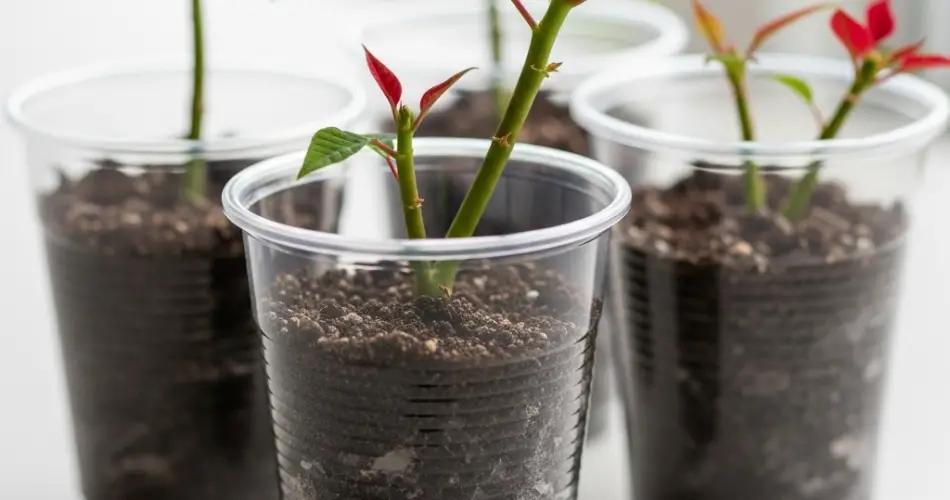
Poinsettias (Euphorbia pulcherrima) are iconic plants, especially popular around the holiday season due to their bright red and green foliage. Beyond their festive appeal, they are relatively easy to propagate, allowing gardeners to multiply their plants year after year. Propagating poinsettias by cuttings is a practical and rewarding way to expand your collection or share these beautiful plants with friends and family.
February is an ideal time to propagate poinsettias because it aligns with their natural growth cycle, helping new plants develop strong roots and healthy foliage.
This article will guide you step-by-step on how to successfully reproduce poinsettias through cuttings, along with essential pruning and care advice for February to ensure your plants thrive.
Why Propagate Poinsettias by Cuttings?
Propagating poinsettias from cuttings offers several advantages:
-
Cost-effective: Instead of buying new plants, you can grow more from an existing healthy plant.
-
Preserves traits: Cuttings produce clones of the parent plant, maintaining the same color and characteristics.
-
Easy and fast: With the right care, cuttings root quickly and grow into mature plants within months.
When to Take Poinsettia Cuttings
The best time to take cuttings is during late winter or early spring, typically February or March, before the plant enters its vigorous growing phase. During this time, the plant is ready to produce new shoots, and the temperature conditions are favorable for root development.
Taking cuttings in February gives the new plants plenty of time to establish themselves before the next flowering season.
Step-by-Step Guide to Propagating Poinsettias by Cuttings
1. Select Healthy Stems
Choose firm, healthy stems from your poinsettia plant that are about 4 to 6 inches (10 to 15 cm) long. Avoid woody or flowering stems, as these are less likely to root successfully.
2. Make a Clean Cut
Using sterilized pruning shears or a sharp knife, cut just below a leaf node. Leaf nodes are the points on the stem where leaves emerge, and roots will develop from these areas.
3. Remove Lower Leaves
Strip the leaves from the lower half of the cutting to reduce moisture loss and help the cutting focus energy on root growth. Leave a few leaves on the top to continue photosynthesis.
4. Optional: Apply Rooting Hormone
Although poinsettias can root without assistance, dipping the cut end in a rooting hormone powder or gel can speed up root development and improve success rates.
5. Prepare the Growing Medium
Use a well-draining, light medium such as a mix of peat moss and perlite or sand. Fill a small pot or tray with this mixture and moisten it lightly.
6. Plant the Cuttings
Make a small hole in the medium and insert the cutting about halfway into the soil. Firm the soil gently around the stem to provide support.
7. Create a Humid Environment
Cover the pot or tray with a plastic bag or place it inside a mini-greenhouse to maintain high humidity, which is essential for preventing drying out while roots form.
Caring for Poinsettia Cuttings
-
Light: Place the cuttings in bright, indirect sunlight. Avoid direct sunlight, which can scorch young leaves.
-
Temperature: Keep the environment warm, ideally between 20°C to 25°C (68°F to 77°F), to encourage root growth.
-
Water: Keep the growing medium moist but not soggy. Overwatering can cause rot, while drying out will harm the cutting.
-
Ventilation: Open the plastic cover occasionally to allow fresh air circulation and prevent mold or fungal growth.
Root Development and Transplanting
After about 3 to 4 weeks, gently tug the cutting to check for resistance, indicating root formation. Once roots are established and healthy, you can transplant the young poinsettia into a larger pot with regular potting soil.
Continue to care for your new plant by providing adequate light, watering when the topsoil feels dry, and gradually acclimating it to normal humidity levels.
Pruning and Care Tips for Poinsettias in February
February is also a good time to prune and prepare mature poinsettias for new growth:
-
Prune Dead or Damaged Branches: Remove any dried, damaged, or leggy branches to stimulate fresh, bushier growth.
-
Pinch Back Growth Tips: Pinching off the growing tips encourages branching, leading to a fuller plant with more flowers.
-
Fertilize: Apply a balanced, water-soluble fertilizer every 4 to 6 weeks to provide essential nutrients.
-
Check for Pests: Inspect for common pests like whiteflies or aphids, and treat promptly using natural remedies or insecticidal soap if necessary.
Tips for Maintaining Healthy Poinsettias Year-Round
-
Keep poinsettias in well-draining soil to prevent root rot.
-
Provide bright, indirect light; avoid cold drafts or extreme heat.
-
Water moderately, allowing the soil to dry slightly between watering.
-
Maintain humidity with occasional misting or placing a water tray nearby.
-
Rotate the plant regularly to promote even growth.
Conclusion
Propagating poinsettias by cuttings in February is a rewarding way to multiply your plants and enjoy their festive beauty year after year. By following simple pruning and care guidelines, you’ll help your new cuttings root successfully and keep mature plants healthy and vibrant.
With patience and attention, your poinsettias will thrive, bringing color and life to your home or garden.


