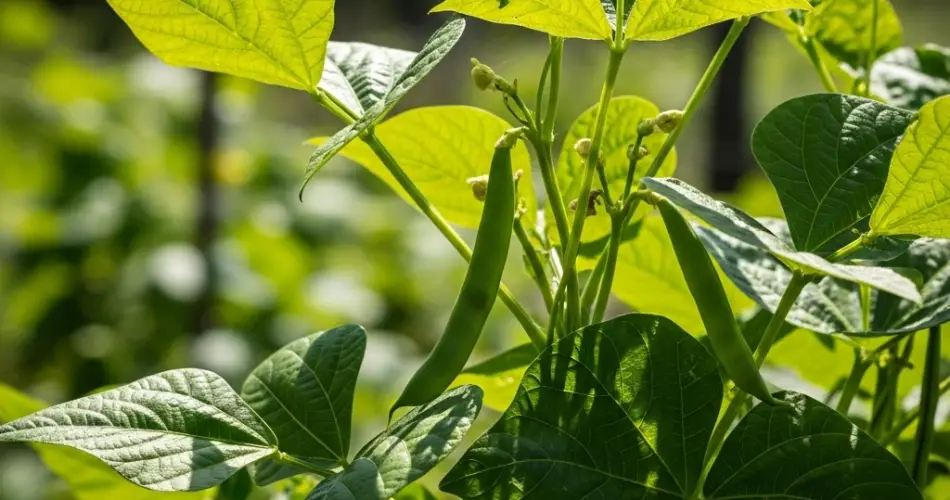
String beans—also known as green beans, snap beans, or bush beans—are a favorite in home gardens due to their fast growth, high yields, and versatility in the kitchen. However, their tender foliage and pods make them a tempting target for a variety of garden pests. Preventing pests from taking over your string bean crop is essential for maintaining healthy plants and ensuring a bountiful harvest.
This guide will walk you through effective, natural, and sustainable methods to protect your string bean plants from pests without relying heavily on chemical pesticides.
Common Pests That Attack String Beans
Before you can effectively prevent pests, it’s helpful to know which ones you’re likely to face:
-
Aphids – Tiny green, black, or white insects that suck sap from young leaves and stems.
-
Mexican Bean Beetles – Yellowish-orange beetles that resemble ladybugs but feed on leaves, leaving behind a lace-like appearance.
-
Cutworms – Larvae that chew through young stems at the soil level, killing seedlings.
-
Spider Mites – Microscopic pests that cause speckled discoloration and webbing on leaves.
-
Thrips – Slender insects that feed on flowers and young leaves, causing silver streaks or deformities.
-
Leafhoppers – Small, wedge-shaped insects that jump and feed on plant sap, causing yellowing and stunted growth.
-
Root-knot Nematodes – Microscopic worms that damage roots, leading to poor nutrient uptake and stunted plants.
1. Start with Healthy Soil
Healthy soil is your first line of defense against pests. Rich, well-draining soil encourages vigorous plant growth, making string beans more resilient to attacks.
-
Add compost or well-rotted manure to improve soil structure and microbial life.
-
Rotate crops annually to prevent soil-borne pests and diseases from building up.
-
Avoid planting beans in the same spot where legumes were grown the previous season.
2. Choose Pest-Resistant Varieties
Some string bean cultivars are naturally more resistant to pests and diseases. Look for varieties labeled as resistant to common issues like bean rust, mosaic virus, or root nematodes. While no plant is entirely immune, resistant varieties are less likely to suffer severe damage.
3. Use Companion Planting
Companion planting is a natural method to deter pests by using neighboring plants that repel or confuse insects.
-
Plant marigolds to repel aphids and nematodes.
-
Use basil and rosemary to deter beetles and whiteflies.
-
Nasturtiums can serve as a trap crop, luring aphids away from your beans.
-
Surround your beans with onions or garlic to help keep away mites and beetles.
4. Practice Proper Spacing and Airflow
Overcrowded plants encourage pest problems and fungal diseases due to poor air circulation and excess humidity.
-
Follow spacing guidelines for the specific variety you’re growing.
-
Support climbing beans on a trellis to keep vines off the ground.
-
Prune any dense or tangled growth to improve airflow.
5. Mulch and Weed Control
Applying a natural mulch, such as straw or shredded leaves, helps suppress weeds and creates a physical barrier that makes it harder for pests like cutworms to access your plants.
-
Maintain a weed-free garden bed, as weeds can host pests and disease.
-
Keep mulch a few inches away from plant stems to avoid trapping moisture.
6. Inspect Plants Regularly
Frequent observation is key to catching pest problems early.
-
Check the undersides of leaves and new growth for insect activity or eggs.
-
Remove any visible pests by hand or with a gentle spray of water.
-
Yellowing leaves, chewed foliage, or stunted growth may be early signs of an infestation.
7. Natural Pest Control Solutions
If pests do appear, natural remedies can help manage them without harming beneficial insects or pollinators.
-
Neem oil spray – Effective against aphids, beetles, and mites. Mix with water and spray early in the morning or evening.
-
Insecticidal soap – Useful for soft-bodied pests like aphids and thrips.
-
Diatomaceous earth – A fine powder that dehydrates crawling insects like cutworms when sprinkled around the base of plants.
-
Sticky traps – Catch flying pests such as whiteflies and leafhoppers.
Always test sprays on a few leaves first to ensure your plants don’t react poorly, and avoid spraying during full sun to prevent leaf burn.
8. Encourage Beneficial Insects
Not all bugs are bad. Predatory insects can help keep pest populations under control.
-
Ladybugs, lacewings, and hoverflies feed on aphids and mites.
-
Parasitic wasps can reduce beetle larvae.
-
Attract these helpful allies by planting flowers such as dill, fennel, and yarrow nearby.
Avoid broad-spectrum pesticides, which can harm beneficial insects as well as pests.
Final Thoughts
Preventing pests in your string bean crop is a matter of preparation, observation, and natural intervention. By maintaining healthy soil, practicing good garden hygiene, and using natural deterrents, you can grow vibrant, pest-resistant bean plants without the need for harsh chemicals. A little attention each week goes a long way in protecting your garden and ensuring a productive, tasty harvest all season long.


