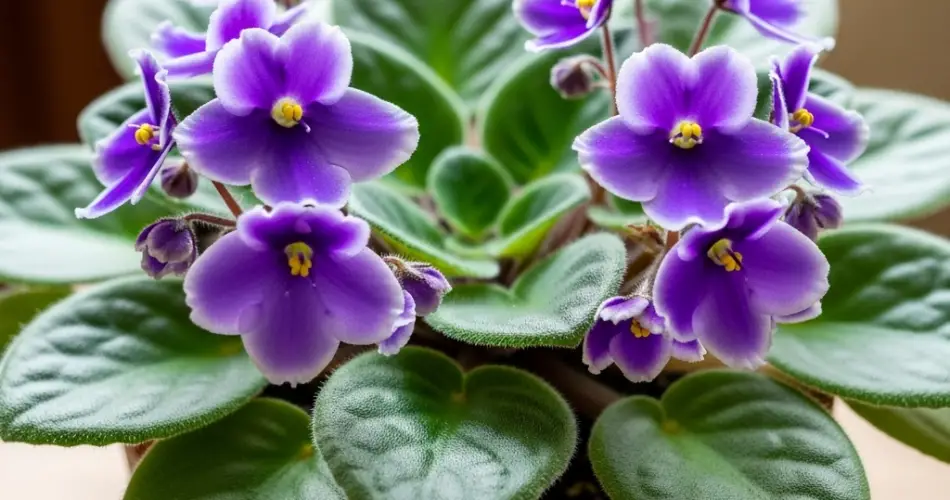
African violets are prized for their vibrant blooms and velvety leaves, but one common issue that can ruin their beauty is leaf spotting. These unsightly marks can be caused by various factors, from improper watering to fungal infections. The good news is that with the right care routine, you can prevent leaf spots and keep your African violets healthy and beautiful year-round.
1. Understand the Causes of Leaf Spots
To effectively prevent leaf spots, it’s essential to understand what causes them. The most common culprits include:
-
Cold water damage: Water that’s too cold can shock the plant’s cells, leaving pale or dark spots on the leaves.
-
Water droplets on leaves: When water sits on leaves, especially under bright light, it can cause sunscald or fungal issues.
-
Fungal and bacterial infections: High humidity and poor air circulation can lead to fungal spores developing on the leaves.
-
Nutrient imbalance or overfertilizing: Too much fertilizer or the wrong kind can cause spotting or leaf burn.
Once you know the possible sources, prevention becomes a matter of consistent and mindful care.
2. Use Room-Temperature Water
One of the simplest ways to avoid leaf spots is to use room-temperature water. Cold water can damage the delicate tissues of the leaves, causing them to form pale or translucent spots. Ideally, fill your watering container and let it sit out for a few hours before using it. This allows chlorine to evaporate and the water to reach a safe temperature for your plant.
3. Water from the Bottom
African violets are especially sensitive to water sitting on their foliage. To prevent this, use the bottom-watering method. Place the pot in a shallow dish of water and allow it to absorb moisture through the drainage holes. After 20 to 30 minutes, remove the pot and let excess water drain.
If you do water from the top, do so carefully by directing the water to the base of the plant, not the leaves. Also, make sure to dry off any droplets that land on the leaves immediately using a paper towel or soft cloth.
4. Control Humidity and Ensure Good Air Circulation
African violets prefer humidity levels between 40% and 60%. However, overly humid environments without airflow can create the perfect conditions for fungal leaf spots. Use a small fan nearby to improve circulation if needed, but avoid direct drafts on the plant.
If you’re growing multiple violets, make sure there’s adequate space between pots. This helps prevent stagnant air and allows moisture to evaporate properly, reducing the risk of leaf spot-causing fungi.
5. Provide Consistent Lighting
Proper lighting also plays a role in preventing leaf issues. African violets prefer bright, indirect sunlight. Direct light can burn their leaves, especially if they’re wet, resulting in scorched spots. If natural light is limited, you can supplement with fluorescent or LED grow lights, placing them about 12–15 inches above the plants for 12–14 hours a day.
Avoid rotating your plants too frequently. While rotation ensures even growth, frequent movement can lead to stress, which makes plants more susceptible to spotting and other problems.
6. Keep Leaves Clean
Dust and dirt on the leaves can block light and create a breeding ground for pathogens. Gently brush the leaves with a soft paintbrush or blow off dust using a hairdryer on a cool, low setting. Avoid wiping with a wet cloth, as excess moisture can worsen spotting issues.
If a leaf already has spotting, remove it with sterilized scissors to prevent the problem from spreading to healthy parts of the plant.
7. Use the Right Fertilizer
Overfertilizing or using the wrong type of fertilizer can damage the leaves and cause brown or yellow spotting. Use a balanced fertilizer specifically formulated for African violets, and follow the recommended dilution and frequency. Typically, feeding every 4 to 6 weeks during active growth is sufficient.
Avoid fertilizing when the plant is stressed, such as after repotting or during extreme temperature fluctuations.
8. Inspect Regularly for Pests and Disease
Aphids, thrips, and mealybugs can also damage leaves and create spots. Examine the undersides of leaves and around new growth regularly. If pests are present, use insecticidal soap or neem oil, and isolate the affected plant to prevent spreading.
Fungal leaf spot diseases, such as botrytis or powdery mildew, may require fungicide treatments. Always remove infected leaves and sterilize tools between plants.
Conclusion
Leaf spots on African violets are preventable with thoughtful, consistent care. By focusing on the right watering practices, maintaining optimal humidity, providing proper light, and using the correct fertilizers, you can enjoy vibrant, spot-free foliage. Regular inspections and clean care routines will help your African violets thrive and remain a cheerful addition to your indoor garden.


