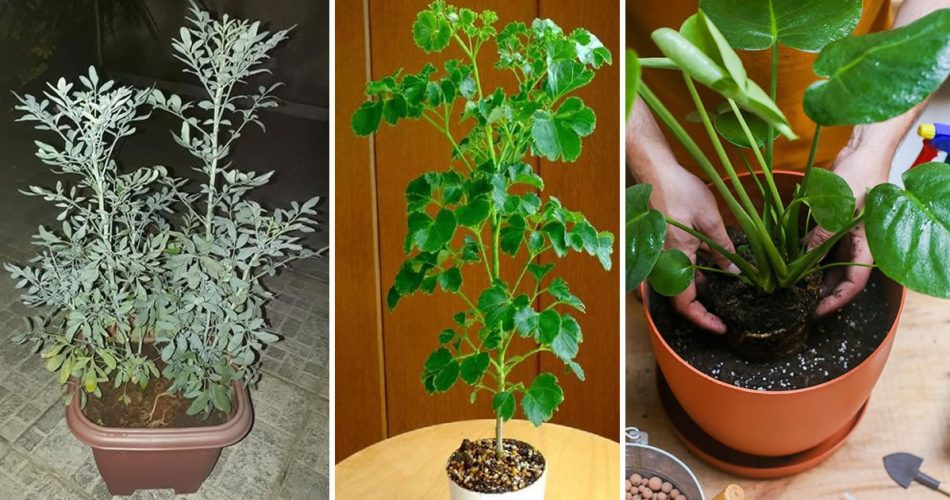
There are various factors that can contribute to a plant wilting after being transplanted. Fortunately, there are simple measures you can take to reduce the risk of this happening.
Wilting after transplantation can result from root damage during the process or a sudden change in conditions that the plant struggles to adapt to.
Optimize the care of the plant before and after transplantation, and be mindful not to damage the roots to avoid wilting.
Root Damage When transplanting a plant, try to touch the roots as little as possible. This depends on the type of plant and the situation, but most roots are easily damaged as soon as they are touched.
If the plant is “root-bound,” it will benefit from loosening the root ball during transplantation. This operation will help the roots grow better and extend into the pot, which ideally should be larger.
Change of Soil Be careful when choosing new soil. While plants have different needs, most adapt easily to new conditions. A sudden and drastic change in soil composition or pH will cause root damage and subsequent wilting after transplanting.
Choose soil that is similar to the original, and add perlite or sand to improve drainage.
Lack of Water If the plant wilts or wilts immediately after transplanting, the cause could be inadequate watering or a lack of water.
During transplantation, the roots are temporarily unable to absorb all the water the plant needs. Water the plant well in the days leading up to transplantation to optimize hydration throughout the process.
How to Prevent Plant Wilting:
- Ensure the plant is perfectly healthy before transplanting; it will have a much better chance of survival.
- Understand the best conditions, in terms of soil and pot, for transplanting your plant.
- Ensure the new soil is free from insects or fungi.
- Be very careful when removing the plant from its pot. Ideally, slide it out without causing any damage to the roots.
Caring for the Plant After Transplanting:
- Avoid making any sudden changes in the plant’s care for a few weeks after transplanting: try to maintain the same light and watering conditions.
- Consider checking the temperature around the plants to ensure it is ideal.
- Avoid fertilizing the plants for at least 2 or 3 weeks before transplanting.