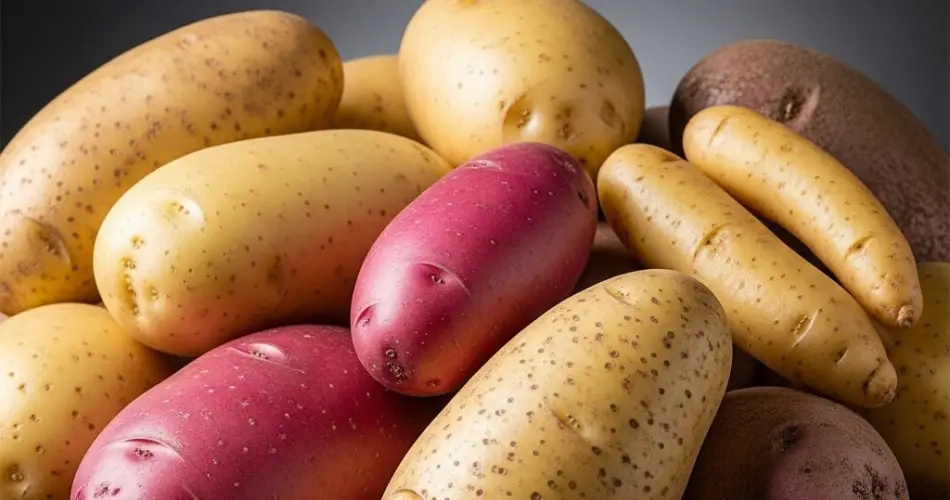
Potatoes are one of the most versatile and rewarding vegetables to grow in your garden. Whether you have a small backyard or a larger vegetable patch, cultivating potatoes from store-bought tubers is an economical and satisfying way to produce fresh, homegrown spuds. With a little planning and the right techniques, you can enjoy a bountiful harvest in just a few months.
This guide will walk you through the process of planting store-bought potatoes, caring for them throughout the growing season, and harvesting your crop successfully.
Choosing the Right Potatoes for Planting
You can grow potatoes from seed potatoes, certified disease-free tubers sold specifically for planting, or even from potatoes bought at the supermarket. However, using supermarket potatoes is a budget-friendly option that works well if you follow some important guidelines:
-
Choose firm, healthy potatoes without any signs of rot or disease.
-
Avoid varieties treated with sprout inhibitors (these won’t grow well).
-
Opt for medium-sized potatoes with several “eyes” (small dimples or buds) where sprouts will emerge.
Preparing Potatoes for Planting
Before planting, it’s best to encourage sprouting to give your potatoes a head start. This process is called “chitting.”
Steps for chitting:
-
Place the potatoes in a cool, bright area, preferably around 50°F (10–15°C).
-
Position them with the “eyes” facing upward.
-
Wait 2 to 4 weeks until short, greenish sprouts about 1–2 cm long appear.
-
If the potatoes are large, you can cut them into pieces, each with at least one or two eyes. Let the cut pieces dry for 1–2 days to form a protective layer and prevent rot.
Choosing the Planting Site
Potatoes need a sunny location with well-drained soil. Avoid planting in areas where potatoes, tomatoes, peppers, or eggplants were grown the previous year to reduce disease risks.
Soil preparation:
-
Loosen the soil to a depth of 12–15 inches (30–40 cm).
-
Mix in organic matter like compost or well-rotted manure to enrich the soil and improve drainage.
-
Maintain a slightly acidic soil pH around 5.5 to 6.5, ideal for potatoes.
How to Plant Potatoes
There are several methods for planting potatoes, but the simplest involves planting tubers directly in the soil.
Planting steps:
-
Dig trenches or individual holes about 4–6 inches (10–15 cm) deep.
-
Space the tubers or pieces about 12 inches (30 cm) apart in rows spaced 24–36 inches (60–90 cm) apart.
-
Place the seed potatoes with sprouts facing up.
-
Cover lightly with 4 inches (10 cm) of soil.
Caring for Potato Plants
Once planted, potatoes require consistent care to maximize yield.
Watering:
Keep the soil evenly moist but not soggy. Potatoes need about 1–2 inches (2.5–5 cm) of water per week. Avoid overhead watering to reduce the risk of fungal diseases.
Hilling:
As potato plants grow, regularly mound soil around the stems to cover new tubers and protect them from sunlight, which can cause greening and bitterness. Hilling also supports the plant and improves yield.
Fertilizing:
Apply a balanced fertilizer or organic amendments like compost during planting and once again when plants begin to flower. Avoid excessive nitrogen, which can lead to lush foliage but fewer tubers.
Managing Pests and Diseases
Common pests include Colorado potato beetles, aphids, and wireworms. Handpick pests when possible or use organic insecticides. Crop rotation and proper spacing reduce disease risk.
Fungal diseases such as late blight can devastate crops. To prevent this, ensure good air circulation, avoid wetting leaves, and remove any infected plants immediately.
Harvesting Your Potatoes
Early potatoes can be harvested as soon as the plants flower, usually around 8–10 weeks after planting. For larger, mature potatoes, wait until the foliage yellows and dies back, typically 12–16 weeks after planting.
Harvest tips:
-
Gently dig around the base of the plant with a garden fork, taking care not to damage tubers.
-
Let potatoes dry in a cool, shaded spot before storing.
-
Store in a dark, cool place with good ventilation to extend shelf life.
Growing Potatoes in Bags or Containers
If you lack garden space, potatoes grow well in containers or sacks. Use a large container with drainage holes, fill it with loose potting mix, and plant potatoes 4–6 inches deep. Add soil as plants grow to cover stems and protect tubers.
Containers should be watered regularly and placed in a sunny location.
Final Thoughts
Growing potatoes from supermarket tubers is an accessible way to start gardening and enjoy fresh, delicious produce from your own yard. With proper preparation, planting, and care, you can double your harvest and reduce grocery bills.
By understanding the needs of potatoes—from selecting seed tubers to harvesting—you’ll become more confident and successful in your gardening efforts. Give it a try this season and watch your potato plants flourish!


