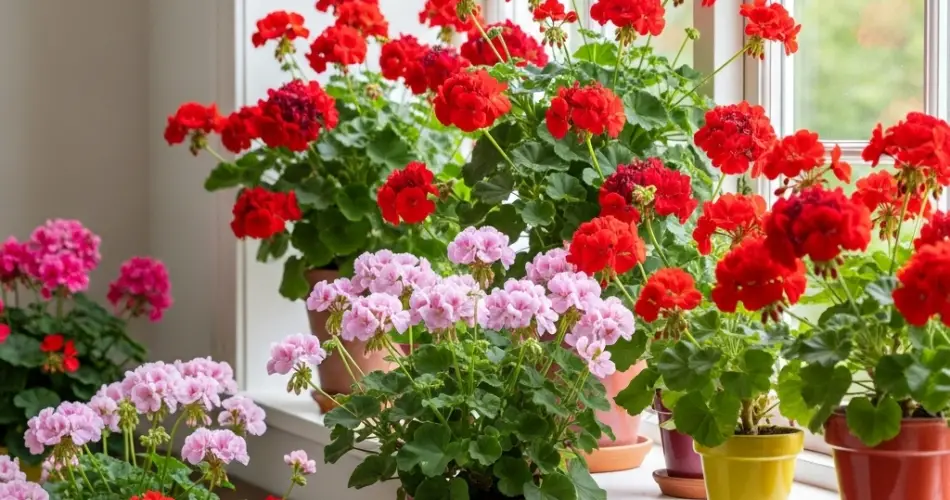
Geraniums are a garden favorite known for their colorful blooms, pleasant fragrance, and long flowering season. Although they are technically perennials in warm climates, most gardeners in cooler regions grow them as annuals. However, with the right overwintering techniques, you don’t have to say goodbye to your geraniums when the first frost arrives. Instead, you can bring them indoors and enjoy them again the following spring.
Here’s how to successfully overwinter your geraniums indoors so you can keep these beautiful plants thriving year after year.
Why Overwinter Geraniums?
Overwintering geraniums offers several benefits:
-
Saves money by avoiding the need to buy new plants each year.
-
Preserves unique varieties that might be hard to find again.
-
Provides a head start on blooming when spring returns.
There are several methods you can use, depending on your space, time, and gardening goals.
Method 1: Grow Geraniums Indoors as Houseplants
One of the simplest ways to overwinter geraniums is to treat them as houseplants.
Step-by-Step:
-
Before the First Frost:
Bring your potted geraniums indoors before night temperatures consistently drop below 45°F (7°C). -
Check for Pests:
Inspect plants for insects like aphids or spider mites. Rinse the leaves thoroughly or treat them with insecticidal soap if necessary. -
Choose a Bright Location:
Place the plants in a sunny window that receives at least 4–6 hours of direct light per day. If natural light is limited, supplement with a grow light. -
Water Carefully:
Water the plants only when the top inch of soil feels dry. Indoor geraniums need less water in winter due to lower light and slower growth. -
Avoid Fertilizing:
Skip fertilization during the winter months. Resume feeding when you see new growth in early spring. -
Pinch Back Growth:
If the plant becomes leggy, pinch back the stems to encourage bushier growth.
Pros: Keeps plants growing and potentially blooming all winter.
Cons: Requires a sunny indoor location and occasional maintenance.
Method 2: Store Dormant Bare-Root Geraniums
This method is ideal if you have limited indoor space or want a low-maintenance option.
Step-by-Step:
-
Dig Up the Plants:
In fall, before frost arrives, dig up healthy geraniums from the ground or remove them from their pots. -
Shake Off Soil:
Gently shake excess soil from the roots, but don’t wash them. -
Let Them Dry:
Allow the roots and stems to dry in a cool, shaded area for a day or two. -
Store in a Cool, Dark Place:
Place the plants in a cardboard box, paper bag, or hang them upside down in a dry basement or garage with temperatures around 45–50°F (7–10°C). Keep them away from light and heat. -
Check Monthly:
Every 4–6 weeks, check the plants. If they feel too dry or brittle, mist the roots lightly with water. Remove any moldy or shriveled stems. -
Replant in Spring:
In late winter or early spring, trim back the stems to about 4–6 inches and repot them in fresh soil. Water lightly and place in a sunny location to stimulate growth.
Pros: Saves space and requires minimal care.
Cons: Not all plants may survive; recovery time is longer.
Method 3: Take Geranium Cuttings
Another option is to propagate new plants from your existing geraniums.
Step-by-Step:
-
Select Healthy Stems:
Choose non-flowering stems about 4–6 inches long. Cut just below a leaf node. -
Remove Lower Leaves:
Strip the lower leaves and any flower buds to focus the plant’s energy on root formation. -
Dip in Rooting Hormone (Optional):
To improve success, dip the cut ends in rooting hormone powder. -
Plant in Potting Mix:
Insert cuttings into small pots filled with moistened, well-draining soil or a peat-perlite mix. -
Provide Light and Warmth:
Place the cuttings in a warm, bright location out of direct sun. Keep the soil lightly moist. -
Transplant in Spring:
Once roots are well established (usually in 4–6 weeks), transplant the cuttings into larger pots or into the garden after the last frost.
Pros: Generates multiple new plants.
Cons: Requires attention to humidity and light.
General Tips for Overwintering Success
-
Label your plants if you’re overwintering multiple varieties.
-
Avoid soggy soil to prevent root rot.
-
Trim dead or yellowing leaves to keep plants tidy and healthy.
-
Acclimate plants gradually in spring by moving them outdoors a few hours a day before transplanting.
Final Thoughts
Geraniums are surprisingly easy to overwinter with the right technique. Whether you prefer to grow them indoors, store them dormant, or propagate new ones from cuttings, these versatile plants can return stronger and more vibrant each year. By planning ahead before the first frost and following these simple steps, you’ll enjoy lush geranium blooms again when warmer weather rolls around.


