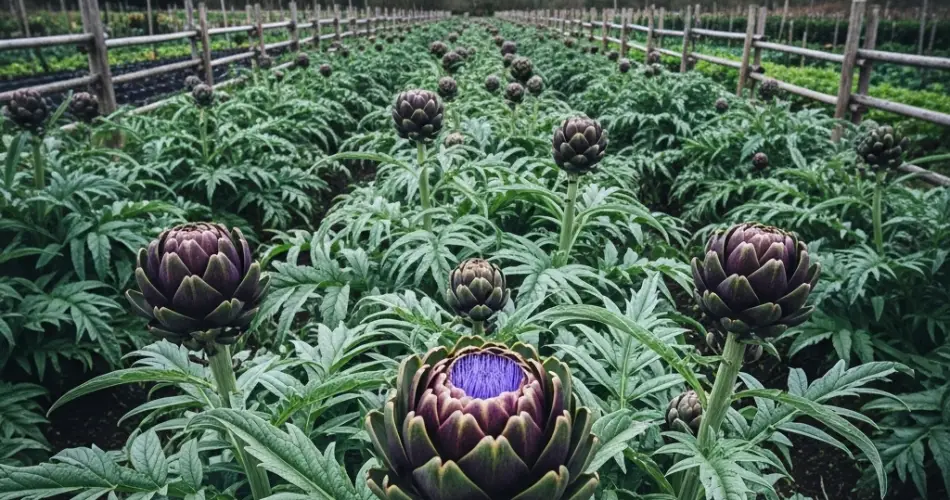
Artichokes are a stunning and productive addition to any garden. While typically grown as perennials in warm climates (zones 8–11), gardeners in colder regions can also enjoy their beauty and harvest by overwintering the plants with the right techniques. With a little preparation, it’s possible to protect artichokes through winter and bring them back strong in the spring—even in areas where temperatures dip well below freezing.
Whether you’re growing artichokes for their edible flower buds or simply for their dramatic foliage, here’s how to successfully overwinter them in cold climates and extend their life beyond a single growing season.
Understanding Artichoke Hardiness
Artichokes (Cynara scolymus) are Mediterranean natives and prefer mild winters. They’re generally hardy to USDA zone 7 with protection, but in zones 6 and colder, they’ll need more care to survive the cold months.
There are two common ways to overwinter artichokes in cold climates:
-
In-ground overwintering with heavy mulch or protection
-
Lifting and storing dormant roots indoors
The method you choose depends on your local climate, soil type, and available space.
1. In-Ground Overwintering (Zones 7 and Mild Zone 6)
In regions with relatively mild winters and good drainage, you can leave artichokes in the ground and protect them with insulation.
Steps:
Step 1: Cut back the foliage
After the first frost blackens the leaves, trim the plant down to about 6–8 inches above the soil. Removing excess foliage helps the plant conserve energy and reduces disease risk.
Step 2: Mulch deeply
Cover the crown of the plant with a thick layer of mulch—8 to 12 inches is ideal. Use materials like:
-
Straw
-
Shredded leaves
-
Pine needles
-
Compost
Pile the mulch loosely to allow for airflow and prevent rot.
Step 3: Cover for added protection
In areas prone to extreme cold or temperature fluctuations, you can add a protective layer on top of the mulch, such as:
-
An overturned plastic bin or large flowerpot (weighted down)
-
Frost cloth
-
Burlap sacks filled with leaves
Remove the cover in early spring as soon as frost danger passes, and new growth begins to emerge.
2. Digging and Storing Indoors (Zones 5 and Colder)
In regions with harsh winters and frozen ground, it’s best to dig up the artichoke roots and store them indoors for replanting in spring.
Steps:
Step 1: Dig up the plant
After the first frost, dig up the entire artichoke plant, taking care not to damage the root ball. Shake off excess soil, but don’t wash the roots.
Step 2: Trim back the foliage
Cut the leaves down to a few inches above the crown, leaving enough stem for handling.
Step 3: Dry the roots
Let the roots air dry in a cool, shaded location for a day or two. This prevents mold during storage.
Step 4: Store properly
Place the dried roots in a box filled with slightly moist materials such as:
-
Peat moss
-
Sawdust
-
Sand
-
Shredded newspaper
Store the box in a cool, dark location where temperatures stay between 35°F and 50°F (1.5°C to 10°C). A basement, root cellar, or unheated garage may work well.
Step 5: Replant in spring
In early spring, once the ground can be worked and the risk of frost has passed, replant the crowns in the garden. Amend the soil with compost, and water them well to encourage new growth.
Additional Tips for Overwintering Success
-
Choose cold-hardy varieties: Some artichoke types like ‘Green Globe Improved’ or ‘Imperial Star’ are more tolerant of cooler temperatures and are better suited for overwintering in cold zones.
-
Ensure proper drainage: Whether in the ground or in storage, excess moisture is the enemy. Soggy soil or overly damp conditions can cause root rot.
-
Mark your beds: If overwintering in-ground, place stakes or markers to remember where you planted your artichokes, especially if covered with deep mulch or snow.
-
Use row covers in early spring: When new growth appears, use lightweight row covers to protect against unexpected late frosts.
Growing as Annuals (Alternative Option)
If overwintering seems like too much work, consider growing artichokes as annuals. Start seeds indoors 8–10 weeks before your last frost, then transplant seedlings after hardening off. With the right variety and growing conditions, some gardeners in northern zones can still get a small harvest by the end of the season.
Conclusion
Overwintering artichokes in cold climates requires a bit of extra effort, but it’s well worth it if you want to enjoy this striking and tasty vegetable year after year. Whether you choose to protect the plants in-ground or lift and store the roots, you’ll give your artichokes a head start come spring. With proper care and planning, even gardeners in colder regions can grow thriving perennial artichokes and look forward to a more abundant harvest with each passing year.


