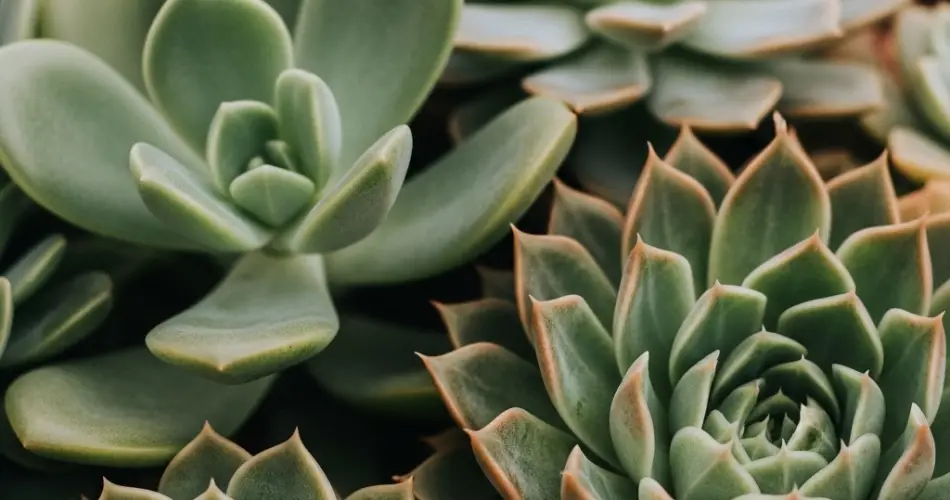
Succulents are some of the easiest and most forgiving plants you can grow, which is why they’ve become a favorite for both beginners and seasoned gardeners. Known for their thick, fleshy leaves that store water, succulents can thrive in a wide range of environments. But if you’re looking to not just grow them—but help them flourish faster than ever—then a little extra knowledge and care can make all the difference.
This guide will walk you through practical steps for nurturing succulents to encourage faster growth, vibrant color, and long-term health.
Start with the Right Soil
Fast results begin with the right foundation. Ordinary potting soil holds too much moisture for succulents, which can lead to rot. For healthy roots and quick growth, use a well-draining soil mix made for cacti and succulents. You can also make your own blend by mixing:
-
2 parts potting soil
-
1 part perlite or pumice
-
1 part coarse sand
This mix allows for better airflow around the roots and prevents waterlogging.
Choose the Right Container
For quick results, the type of pot matters. Always use containers with drainage holes. Excess water should be able to escape easily—succulents do not like wet feet. Terra cotta pots are ideal because they allow the soil to dry out more quickly, encouraging strong root development.
Avoid using containers that are too large. A snug fit encourages root growth, while too much extra space can retain moisture and slow progress.
Light: The Ultimate Growth Booster
Succulents love the sun. To grow quickly and develop vibrant colors, most varieties need at least 6 hours of bright, indirect sunlight each day. A south-facing window is often ideal.
If you’re growing indoors and natural light is limited, supplement with a full-spectrum grow light. Keep the light about 6–12 inches above your succulents and run it for 12–14 hours a day.
Watch for signs of light stress:
-
Too little light: Pale, stretched-out growth (etiolation).
-
Too much light: Sunburned leaves that appear bleached or crispy.
Adjust their position gradually to avoid shocking the plant.
Water Wisely—Less Is More
Overwatering is the #1 mistake succulent growers make. Instead of frequent watering, use the “soak and dry” method:
-
Water thoroughly until it runs out of the drainage holes.
-
Wait until the soil is completely dry before watering again.
Depending on temperature and humidity, this could mean watering every 7–10 days indoors, and less frequently in cooler months.
Tip: Stick your finger into the soil about an inch deep. If it’s dry, it’s time to water.
Feed for Speed
While succulents are low-maintenance, a light feeding can accelerate growth. Use a balanced, water-soluble fertilizer diluted to half strength every 3–4 weeks during the active growing season (spring and summer).
Avoid over-fertilizing, which can lead to weak, leggy growth. During fall and winter, cut back or stop feeding altogether as most succulents enter dormancy.
Encourage Propagation
One of the fastest ways to multiply your succulents and see quick results is through propagation. Many succulents can regrow from leaves, stem cuttings, or offsets (pups). Here’s how:
Leaf Propagation
-
Gently twist a healthy leaf off the plant.
-
Allow it to dry for a day or two until the cut end forms a callus.
-
Place it on top of dry soil and mist lightly every few days.
-
Tiny roots and new rosettes should appear within a few weeks.
Stem Cutting
-
Cut a healthy section of the stem with leaves.
-
Let it dry for 2–3 days.
-
Plant it in dry soil and resume watering after a few days.
Offsets
Some succulents, like Echeveria and Haworthia, produce baby plants. Gently remove the offset, let it callus, and replant.
Keep Pests and Rot Away
Fast-growing succulents are still vulnerable to pests like mealybugs, aphids, and fungus gnats. Keep an eye out for sticky leaves, cotton-like clumps, or wilting. Wipe affected areas with rubbing alcohol or use an insecticidal soap.
Rot is another common issue caused by excess moisture. Always let the soil dry out and avoid letting water sit in leaf rosettes.
Seasonal Adjustments
Succulents grow most actively in spring and summer. During this time, increase watering frequency slightly and ensure they get ample light and nutrients.
In fall and winter:
-
Reduce watering
-
Stop fertilizing
-
Move them away from cold drafts
-
Keep them in a warm, sunny location indoors
This rest period is normal and gives the plant energy for another growth spurt when spring returns.
Final Thoughts
With just a few intentional changes in care, you can see your succulents grow faster, healthier, and more vibrant than ever. Start with proper soil and containers, offer plenty of light, water wisely, and feed sparingly. Add in occasional propagation, and you’ll be rewarded with a thriving succulent collection in no time—one that’s both beautiful and easy to manage.
Whether you’re cultivating a windowsill display or a mini desert garden, nurturing succulents doesn’t just bring faster results—it brings lasting satisfaction.


