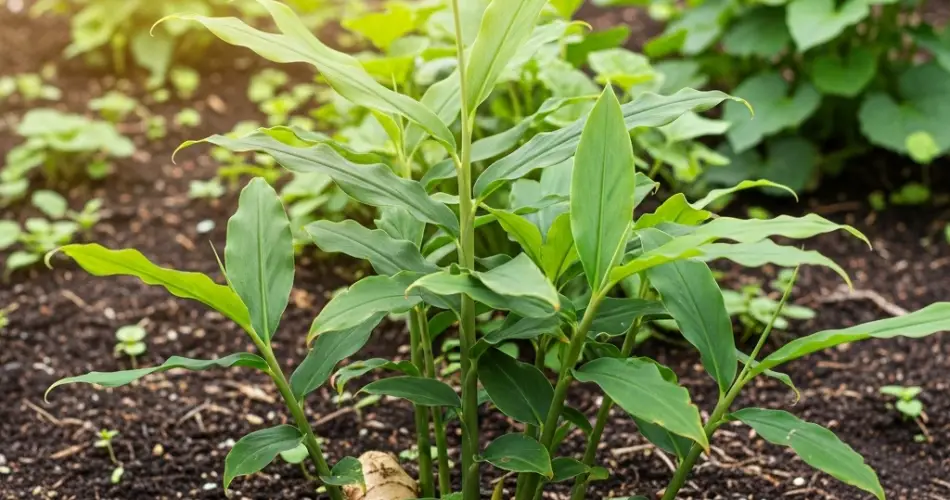
Growing ginger at home might sound like something only seasoned gardeners do—but it’s actually one of the easiest and most rewarding plants you can grow, even with no gardening experience. And the best part? You can grow it using leftover ginger from your kitchen.
Whether you want a fresh supply for tea, cooking, or natural remedies, ginger is a low-maintenance crop that thrives in containers and warm spots. With the right techniques, you can turn grocery store scraps into a lush, productive plant that keeps giving year after year.
Here’s how to maximize your ginger harvest using kitchen scraps—and a few simple tricks.
1. Start with the Right Ginger Root
Your success begins with choosing the right type of ginger. Visit your local grocery store or organic market and select plump, fresh ginger rhizomes (the root-like parts you normally use in cooking). Look for pieces that:
-
Are firm and smooth
-
Have visible “eyes” or buds—these look like small horns or nubs
-
Have not been treated with growth inhibitors or wax (organic ginger is best)
Avoid shriveled, moldy, or overly dry pieces.
2. Soak and Prep for Growth
Store-bought ginger may have been treated to delay sprouting. To overcome this, soak the rhizomes in warm water overnight. This softens the skin and encourages the buds to “wake up.”
After soaking, cut the ginger into chunks—each with at least one or two viable buds. Let the cut pieces sit out for a day or two to allow the cut surfaces to callous. This reduces the chance of rot when planted.
3. Plant in the Right Container (or Ground)
Ginger grows horizontally, not deep, so it does best in wide, shallow containers. Choose a pot at least 12 inches wide and 8 inches deep, with good drainage holes. If you’re planting in the ground, pick a spot with loose, well-draining soil and partial shade.
Fill your pot or bed with a rich, loamy soil mix—a blend of compost, coconut coir or peat moss, and sand or perlite works well. Ginger loves slightly acidic to neutral pH (around 6.0–6.5).
Plant each piece of ginger about 1–2 inches deep, with the buds facing up and space between chunks to allow room to grow.
4. Provide Warmth and Moisture
Ginger is a tropical plant and loves warmth and humidity. To encourage fast growth:
-
Keep the temperature between 70–85°F (21–29°C).
-
Mist the soil or water lightly to keep it consistently moist, but not soggy.
-
Covering the pot loosely with a clear plastic bag can create a greenhouse effect during early sprouting stages.
Be patient—ginger can take 2–4 weeks to sprout, especially if the weather is cool.
5. Feed and Mulch for Bigger Rhizomes
Once sprouts appear, move the plant to a spot with indirect sunlight or filtered shade. Full sun can scorch tender shoots, but too little light will stunt growth.
Feed ginger every few weeks with a mild organic fertilizer or compost tea. High potassium feeds (like banana peel compost or seaweed extract) support root development.
Apply a layer of mulch or straw to retain moisture, keep roots cool, and reduce weeds.
6. Water Smart, Not Hard
Watering correctly is crucial. Ginger doesn’t like to dry out completely, but overwatering can cause rot.
-
Water when the top inch of soil feels dry.
-
Avoid letting water pool at the bottom of containers.
-
In rainy seasons or humid climates, scale back watering slightly.
As the plant matures, it will tolerate occasional dryness better.
7. Harvest at the Right Time
You can start harvesting young ginger (milder, tender roots) about 4–5 months after planting. Just dig gently around the edges and remove a small section, leaving the rest of the plant to continue growing.
For fully mature ginger, wait 8–10 months, when the leaves start yellowing and dying back. Carefully dig up the entire plant, shake off the soil, and allow it to cure in a shaded, airy place for a few days before storing.
8. Save and Replant for Endless Supply
After harvesting, save a few of the healthiest, fattest rhizomes with visible buds. Let them air-dry and store in a cool, dry spot until you’re ready to plant again.
By rotating harvests and keeping a few pieces going, you can grow ginger continuously—no need to buy more from the store.
Final Thoughts
Growing ginger from kitchen scraps isn’t just possible—it’s surprisingly easy and incredibly satisfying. With minimal supplies, a little warmth, and consistent care, you can transform humble leftovers into a thriving source of fresh ginger right from your backyard, balcony, or even a sunny windowsill.
Whether you want to save money, reduce food waste, or explore homegrown herbal remedies, ginger is a low-risk, high-reward plant that anyone can grow—even beginners.


