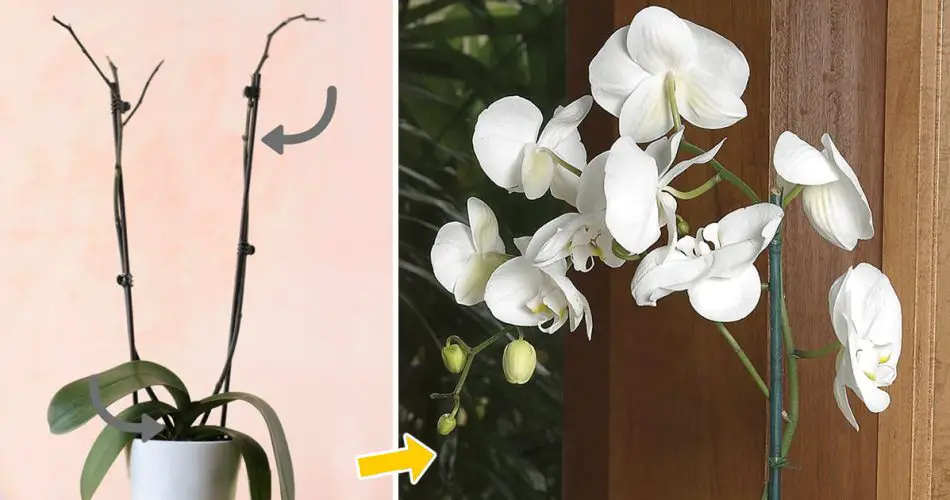
Have you ever bought or received an orchid, brought it home, and helplessly watched as its flowers gradually faded away? Unfortunately, in most cases, the blooms never return. Orchids are delicate plants that don’t respond well to drastic changes in temperature and light conditions, especially when transitioning from greenhouses (common sources of commercially available orchids).
Here are some tips to help your orchid bloom again and produce flowers consistently.
1. Try Repositioning It As mentioned earlier, orchids are sensitive to changes. When bringing orchids home, we often choose their location based on aesthetics rather than the plant’s needs. However, it’s crucial to place the orchid in a well-thought-out spot. Orchids should not be exposed to direct sunlight but need a well-lit environment, protected from direct sun rays. The more natural light they receive, the better the chances of seeing them bloom again.
2. Moderate Watering Watering more frequently or with generous amounts won’t revive your orchid. In fact, it might lead to root rot. Despite being tropical flowers, orchids don’t need excessive soil moisture. If placed in a naturally humid location, they require less frequent watering. In drier conditions, water more often but not more than once a week.
3. Use Orchid-Specific Fertilizer Providing the right nutrients is crucial for your orchid’s growth and flowering, especially in home environments that may not be ideal for these plants. A recommended option by experts is liquid fertilizer to enhance nutrient absorption.
Other Tips for Orchid Blooming:
- Observe the plant to understand its actual state. Healthy, well-hydrated leaves are vibrant and resilient. If they appear discolored, it indicates a need for water.
- Monitor the roots; a green color indicates adequate water absorption. If they turn silver-grey, reduce the water quantity.
Taking these steps into consideration will increase the likelihood of your orchid blooming again and bringing a touch of elegance to your space.