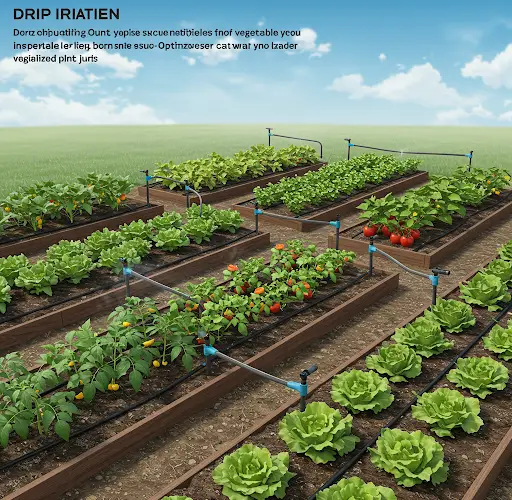
Drip irrigation is one of the most efficient and cost-effective ways to water your plants. It delivers water directly to the plant’s roots, minimizing waste and promoting healthier growth. If you want to save water, reduce effort, and enhance the health of your plants, setting up a DIY drip irrigation system using simple plastic bottles is an easy and eco-friendly solution. In this article, we will guide you through the process of creating a quick and easy drip irrigation system with recycled plastic bottles.
Why Choose Drip Irrigation?
Before we jump into the how-to, it’s important to understand why drip irrigation is beneficial for your garden:
-
Water Conservation:
Drip irrigation ensures that water goes directly to the plant’s root zone, reducing evaporation and runoff. This is ideal in regions where water conservation is critical. -
Efficient Watering:
Plants receive a slow and steady stream of water, which helps prevent over-watering or under-watering. Drip irrigation promotes healthier roots and plant growth. -
Low Maintenance:
Once set up, the drip system requires minimal effort to maintain. It also helps prevent fungal diseases by avoiding wetting the foliage. -
Cost-Effective:
Creating a DIY drip irrigation system with plastic bottles costs very little compared to traditional irrigation methods, and it’s a great way to reuse plastic bottles instead of throwing them away.
Materials You Will Need
To create your simple plastic bottle drip irrigation system, you will need:
-
1-2 plastic bottles (1-2 liters)
-
A small pin or nail (for making holes)
-
A utility knife or scissors
-
A rubber band or tape
-
A small tube (optional, for directing water)
-
A container or bucket for water
-
A stake or support (optional, for positioning the bottles)
Step-by-Step Instructions
1. Prepare the Plastic Bottles
Start by cleaning the plastic bottles thoroughly to remove any labels or residue.
-
First Bottle (Water Storage):
The first bottle will act as your water container. If you’re using a larger bottle, like a 2-liter bottle, you can leave it whole. Cut a small hole near the base of the bottle, just big enough to fit the tubing or straw if you’re using one. -
Second Bottle (Drip Dispenser):
If you’re using a second bottle as the dispenser, cut the bottom off the bottle. You will be creating small holes along the sides of the bottle to act as the emitters for your drip irrigation. The size and number of holes depend on the amount of water flow you desire.
2. Create the Drip Holes
For the second plastic bottle, you’ll need to make small holes along the bottom half of the bottle. This will allow the water to slowly drip out.
-
Make Small Holes:
Using a pin or a nail, create several small holes along the bottle’s side. The holes should be evenly spaced and not too large, as the goal is to create a slow, steady drip. If you want a finer spray, make the holes smaller, or if you need a stronger flow, make the holes a bit larger. -
Adjust Flow Rate:
If you find that the flow rate is too fast or too slow, you can easily adjust the size of the holes. Larger holes will release more water, while smaller holes will release less.
3. Attach the Drip Bottle to the Water Storage Bottle
Next, connect the second bottle (the one with the holes) to the water storage bottle.
-
Create a Hole in the Water Storage Bottle:
In the water storage bottle (the first bottle), create a small hole near the bottom or in the cap. The hole should be just big enough to fit the neck of the second bottle (the one with holes). This will allow water to flow from the storage bottle into the second bottle, where it will drip out slowly. -
Secure the Bottles Together:
Fit the neck of the second bottle into the hole of the water storage bottle. You can use a rubber band, tape, or even glue to secure the two bottles together, making sure the connection is tight to prevent leaks.
4. Set Up the System in the Garden
Once the bottles are securely connected, it’s time to set up the system in your garden.
-
Position the Water Storage Bottle:
Place the water storage bottle in a stable, upright position. You can either bury the bottle slightly in the soil or set it on a raised surface, depending on your garden setup. The bottle needs to be elevated so that gravity can help move the water down into the second bottle. -
Place the Second Bottle Near the Plants:
Position the second bottle with the drip holes near the base of your plants. If you’re using multiple plants, you can use several bottles to create a drip system for each plant.
5. Test the System
Now that everything is set up, it’s time to test the system to make sure it’s working as expected.
-
Fill the Water Storage Bottle:
Fill the first bottle with water and watch as it begins to drip into the second bottle. Check to ensure that the water is flowing at a steady, even rate. If it’s too fast or too slow, adjust the holes accordingly. -
Monitor the Drip Rate:
The drip system should deliver a consistent amount of water to the plants. If you need to increase or decrease the water flow, adjust the size and number of holes in the second bottle.
6. Maintain the System
Once your drip irrigation system is set up, it requires minimal maintenance.
-
Refill the Water Storage Bottle:
Keep an eye on the water levels and refill the storage bottle as needed. Depending on the size of the bottle and your plants’ needs, the water might last for a few days to a week. -
Check for Clogs:
Periodically check the holes in the second bottle to ensure they are not clogged. Clean them as needed to keep the water flowing smoothly. -
Adjust the System:
If you add more plants or need to adjust the flow rate, you can easily modify the setup by adding more bottles or changing the hole sizes.
Final Thoughts
Creating a simple drip irrigation system with plastic bottles is a quick, easy, and environmentally friendly way to water your plants. By recycling plastic bottles, you not only save water and money but also reduce plastic waste. This low-maintenance system is perfect for gardeners who want a more efficient way to water their plants while conserving resources. Whether you have a small balcony garden or a larger backyard, this DIY drip irrigation system will ensure your plants stay hydrated with minimal effort.


