Baking is one of life’s small joys, yet even experienced bakers know the frustration of trying to remove a perfectly baked cake from a pan only to find that it has stuck to the sides or broken apart. Sticky batter, improper pan preparation, or a lack of non-stick coating can all cause this issue. While commercial non-stick sprays are available, it’s possible to make baking pans naturally non-stick using ingredients found in any kitchen. These simple techniques ensure your cakes, breads, and other baked goods come out cleanly, every time.
Why Cakes Stick to Pans
When baking, heat causes the batter or dough to expand and adhere to the walls of the pan. If the pan isn’t properly prepared, the cooked mixture bonds with the metal or glass surface, resulting in broken or damaged desserts. This problem can be even more pronounced with delicate batters such as sponge cakes, cheesecakes, or pastries.
Certain types of baking pans, such as springform pans, can make removal easier because they have two parts: a flat base and a removable vertical side with a latch. The latch allows the sides to open, easing the release of the baked good. However, even these pans require proper preparation to achieve a truly non-stick result.
The Classic Butter and Flour Method
One of the most traditional and effective methods for preventing sticking is the butter-and-flour technique. This natural approach is simple yet highly effective.
Step-by-Step Instructions:
-
Take a small piece of butter and rub it thoroughly across the entire inner surface of the baking pan. Make sure to cover all corners and edges. Using a piece of paper towel can help distribute the butter evenly and prevent gaps.
-
Once the pan is fully coated in butter, sprinkle a thin layer of flour over the surface. Shake and tilt the pan to ensure the flour adheres to the butter and covers every part of the interior.
-
Remove any excess flour to avoid clumps in your batter.
Butter acts as a natural lubricant, preventing direct contact between the batter and the pan, while flour provides an additional barrier that ensures the cake releases easily once baked. This method works on metal, glass, and even ceramic pans.
Using Butter and Parchment Paper
Another highly effective non-stick technique combines butter with parchment paper. This method is particularly useful for cakes baked in two-piece pans or springform pans.
Instructions:
-
Butter the entire inside of the pan, making sure to cover all surfaces, including the sides.
-
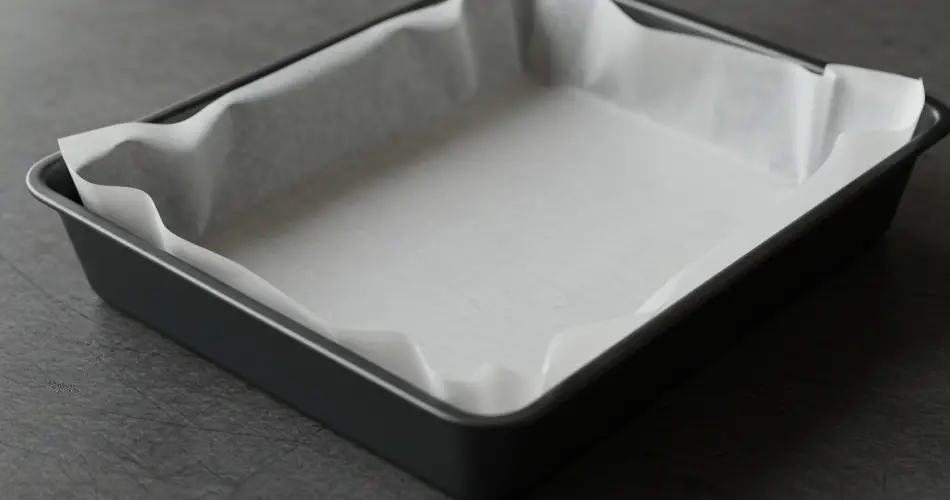
Place a sheet of parchment paper on the bottom of the pan. In a springform pan, the paper can be fitted between the base and the removable sides, with any excess trimmed afterward.
-
Ensure that the sides of the pan are also well-buttered. You can use strips of parchment paper along the vertical walls if necessary, cutting and adjusting them to fit precisely.
The parchment paper provides a smooth, non-stick surface that allows cakes to release cleanly, while the butter ensures the paper stays in place and further prevents adhesion. This method is particularly useful for delicate or sticky batters like cheesecake or sticky buns.
Tips for Perfect Non-Stick Baking
-
Cover Every Corner: Ensure that every inch of the pan is coated with butter and flour or lined with parchment paper. Missing even a small corner can cause sticking.
-
Trim Excess Parchment Paper: After lining the pan, trim any paper that extends too far beyond the edges. This prevents overbaking or burning along the edges.
-
Use Room Temperature Butter: Softened butter spreads more evenly and adheres better to the pan. Cold butter may leave gaps, reducing effectiveness.
-
Combine Methods for Sticky Batters: For very sticky or delicate batters, use both butter-and-flour and parchment paper for maximum results.
Why These Methods Work
Butter is a natural fat that melts during baking, creating a slippery barrier between the pan and the batter. Flour enhances this barrier by forming a thin protective layer that adheres to the butter, ensuring that the cake or pastry releases effortlessly. Parchment paper provides a smooth, neutral surface that prevents batter from bonding with the pan entirely.
The combination of these natural ingredients mimics the effect of commercial non-stick sprays without any chemicals, ensuring food safety while maintaining the perfect texture and appearance of baked goods.
Additional Tips for Springform Pans
Springform pans, which have a latch and removable side, can benefit greatly from proper non-stick preparation:
-
Butter and flour the base thoroughly.
-
Fit a circular piece of parchment paper inside the base to cover every inch.
-
Butter the sides and, if needed, line them with strips of parchment paper for a clean release.
When the cake is baked, open the latch, gently release the sides, and lift the dessert without worrying about sticking or tearing.
Benefits of Natural Non-Stick Preparation
-
Eco-Friendly: No need for aerosol sprays or chemical coatings.
-
Cost-Effective: Butter, flour, and parchment paper are inexpensive and usually already in the kitchen.
-
Healthier: Eliminates potential chemical residues on your baked goods.
-
Reliable: Works for all types of batters, from sticky chocolate cakes to delicate sponge cakes.
Conclusion
Making ordinary baking pans non-stick is simple and can be done entirely with natural ingredients. By using butter and flour, parchment paper, or a combination of both, you can prevent sticking, protect delicate cakes, and achieve professional-looking results every time. With a little preparation and attention to detail, baking can become stress-free, and your desserts will slide effortlessly from the pan to the plate.
These natural methods not only save money but also ensure that every cake, tart, or bread you bake comes out perfectly, making them indispensable tools for any home baker.