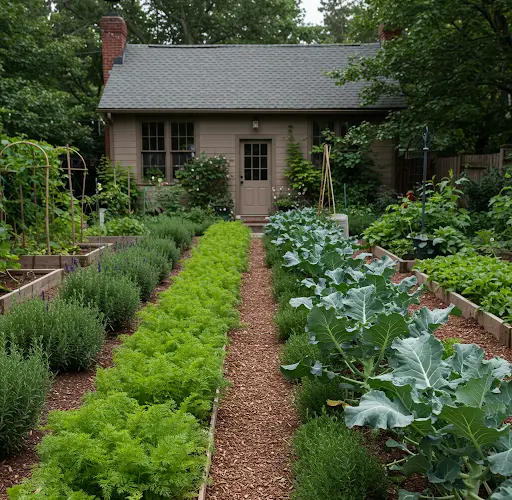
Starting a home garden can be an incredibly rewarding and economical way to grow your own organic food, and it’s easier than you might think. In this step-by-step guide, I’ll show you how to create a simple, functional garden right in your own backyard using affordable materials. Whether you have a lot of space or just a small corner, you can create a beautiful garden that produces healthy fruits and vegetables.
1. Choose the Right Location
The first step in creating your garden is to find the right spot. It’s important to choose a location that receives at least 3 to 5 hours of sunlight per day. This is essential for growing healthy, organic produce. A sunny spot will ensure that your plants receive the nutrients they need to thrive. If you don’t have a large yard, you can use small containers or raised beds on a balcony or patio.
2. Decide on Your Garden Structure
Next, decide how you want to build your garden beds. You can use bricks, cinder blocks, wood planks, or even plastic containers—anything that can hold soil and provide proper drainage. In this guide, I’ll be using bricks because they are durable and prevent the bed from rotting, unlike wood planks that may decompose over time. Once you’ve chosen your materials, start building the frame of your garden.
3. Add a Fence or Barrier
If you have pets like dogs or cats, or even other animals like chickens, it’s a good idea to add a small fence or netting around your garden. This will help protect your plants from being eaten or trampled. You can use a simple wire mesh or garden netting to create a barrier around the garden bed.
4. Fill the Garden Bed with Soil
Now, it’s time to fill your garden bed with soil. You can use soil from your own yard, but if it’s not nutrient-rich enough, you can buy soil from a garden store or use compost. A mixture of organic soil, compost, and natural fertilizers will ensure your plants get the nutrients they need. If you’re using soil from your own yard, you may need to add a little extra fertilizer to improve its quality.
5. Improve the Soil’s Quality
If the soil in your yard is too acidic, you can use agricultural lime to balance the pH. This helps the plants absorb nutrients better and thrive in the soil. Sprinkle a small amount of lime over the soil and mix it in well. This will help create an ideal environment for your plants.
6. Fertilize Your Soil
After preparing the soil, it’s time to add some organic matter to improve the fertility. You can use manure from cows, chickens, or even horses, which can be purchased from a farm supply store. If you don’t have access to animal manure, you can make your own compost using kitchen scraps, leaves, and grass clippings. This will provide natural nutrients to your plants without relying on chemical fertilizers.
7. Start Planting
Now comes the fun part—planting your garden! Choose plants that are suitable for your climate and the space you have available. For example, you can plant tomatoes, lettuce, carrots, peppers, and herbs. Space your plants accordingly, giving them room to grow and spread. If you’re limited on space, consider planting in containers or vertical gardens to maximize your space.
8. Maintain Your Garden
Once your garden is planted, it’s important to care for it regularly. Water your plants consistently, making sure they get enough moisture, but not too much. Overwatering can lead to root rot, so be mindful of the amount of water you’re using. Regularly check your plants for signs of pests or diseases, and remove any weeds that appear.
9. Harvest Your Crops
As your plants grow, you’ll start to see the fruits of your labor. Be sure to harvest your crops at the right time, when they are fully ripe. Freshly picked produce from your garden tastes better and is more nutritious than store-bought vegetables, and the best part is you know it’s all organic.
10. Enjoy the Fruits of Your Labor
The last step is to enjoy the harvest! You’ll have fresh, organic produce right at your doorstep, and you can even share it with friends and family. Home gardening is not only about growing food, but also about reconnecting with nature and gaining a deeper appreciation for the food you eat.
With just a little planning and effort, you can create your own garden at home, providing yourself with fresh and healthy produce all year round. Whether you have a small balcony or a spacious backyard, there are countless ways to make gardening work for you. Start your garden today and enjoy the benefits of homegrown food!
By following these simple steps, you can create an organic garden without breaking the bank. Gardening is a wonderful hobby that promotes healthy living and helps reduce your carbon footprint. Don’t be afraid to experiment and try new plants, and remember, gardening is a learning process!


