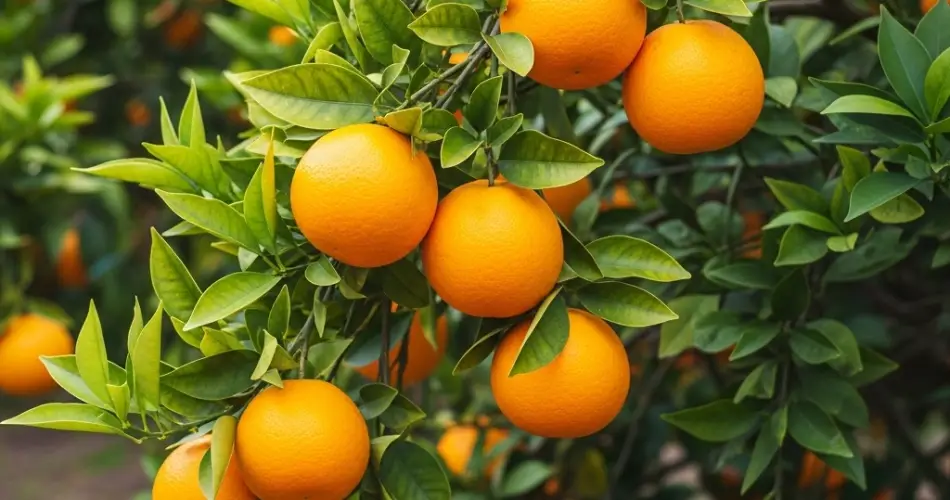
Growing your own oranges is a rewarding experience, but knowing exactly when to harvest them can be tricky—especially for first-time citrus growers. Unlike some fruits, oranges don’t continue to ripen once they’re picked, so it’s important to wait until they’re truly ready. Harvesting at the right time ensures the best flavor, juiciness, and sweetness.
This guide will walk you through the key signs that your oranges are ripe and ready to pick, along with helpful tips for harvesting and storing them properly.
1. Understand the Variety You’re Growing
Not all oranges ripen at the same time. Different orange varieties mature at different points in the growing season:
-
Navel oranges: Typically ripen from late fall through winter (November to January, depending on your climate).
-
Valencia oranges: Usually ready from spring into early summer (March to June).
-
Blood oranges: Generally ripen in winter or early spring (December to March).
Knowing your tree’s variety helps narrow down the expected harvest window and reduces guesswork.
2. Don’t Rely on Color Alone
One of the most common mistakes gardeners make is picking oranges based on color. While a deep orange skin may seem like a sign of ripeness, it’s not always accurate.
-
Oranges can be fully ripe inside while still having green patches on the peel.
-
In some climates, cooler nighttime temperatures can cause fully ripe oranges to develop green “regreening.”
-
Conversely, oranges that have turned fully orange may still be sour if picked too early.
Instead of judging ripeness by appearance alone, combine color with other indicators.
3. Perform a Taste Test
The most reliable method to determine if your oranges are ready is to simply taste one.
-
Pick one fruit from the tree.
-
Peel and taste it for sweetness, juiciness, and overall flavor.
If the fruit tastes a little tart or dry, wait another week before testing again. Oranges that are ripe will have a balance of sweetness and acidity, juicy flesh, and a satisfying citrus flavor.
4. Check the Size and Weight
Ripe oranges will reach their mature size and feel heavier in the hand due to juice content.
-
Each variety has a typical mature size. Compare the fruit with the average size for its type.
-
Pick up an orange and gently squeeze—it should feel firm, with a slight give, and be noticeably heavier than an underripe one.
Lightweight or hard fruits usually indicate that they haven’t fully developed their juice.
5. Smell the Fruit
Another clue that your oranges are ready for harvest is their aroma. A ripe orange will emit a sweet, citrusy scent at the stem end.
-
Gently sniff the orange where it’s attached to the branch.
-
A pleasant, fruity smell is a strong sign the orange is ready.
If there’s little or no scent, the fruit may need more time on the tree.
6. Observe How Easily They Detach
Ripe oranges typically separate easily from the branch with a gentle twist or a slight pull.
-
If you have to tug hard or the fruit resists coming off, it’s likely not ready.
-
You can use clean garden scissors or pruning shears to clip the fruit with a short length of stem to avoid damage if needed.
Avoid yanking or pulling harshly, as this can damage the tree or nearby fruit.
7. Time Since Bloom
As a general rule, oranges take about 7 to 15 months to mature after flowering, depending on the variety.
-
For instance, navel oranges often take 7–10 months.
-
Valencia oranges may take up to 15 months to fully ripen.
Tracking your tree’s bloom date gives you a good estimate of when to start checking for ripeness.
8. Harvest Gradually
Oranges don’t all ripen at the same time, even on a single tree. It’s best to harvest in stages.
-
Pick only the fully ripe ones and leave the rest to continue maturing.
-
Return every week or so to check on the remaining fruit.
This gradual harvesting ensures you enjoy the best fruit over a longer period.
9. Store Oranges Properly
Once picked, oranges should be stored correctly to preserve their freshness:
-
Keep them in a cool, dry place out of direct sunlight.
-
Store in the refrigerator to extend shelf life up to several weeks.
-
Avoid sealing them in airtight containers—good airflow helps prevent mold.
Do not wash oranges before storing; instead, wash just before eating to avoid excess moisture.
Final Thoughts
Knowing when to pick oranges requires a combination of observation, timing, and patience. By considering factors such as variety, size, scent, taste, and how easily the fruit detaches from the tree, you can confidently harvest your oranges at their peak. A perfectly ripe orange picked at the right time delivers unmatched flavor and satisfaction—making the wait well worth it. With these simple tips, you’ll enjoy fresh, juicy citrus straight from your garden.


