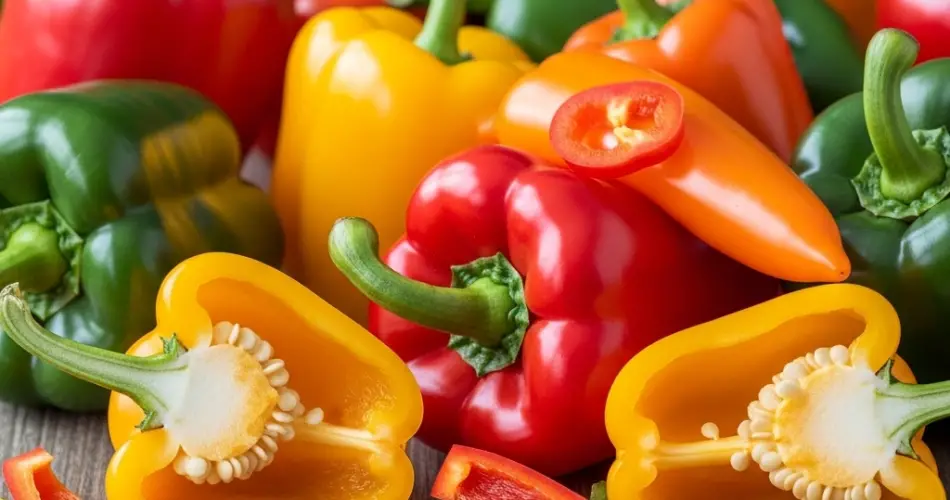
Peppers are a popular and rewarding crop for container gardeners. Whether you’re growing sweet bell peppers or spicy chili varieties, these vibrant plants can thrive in small pots when given the right care. Compact, sun-loving, and highly productive, peppers are ideal for balconies, patios, and even sunny windowsills.
This guide will walk you through how to successfully grow peppers in small containers—from selecting the right variety to maximizing yields in tight spaces.
Why Grow Peppers in Small Pots?
Peppers don’t need sprawling garden beds to produce well. In fact, they’re surprisingly well-suited to containers. With compact root systems and a love for heat, peppers often grow even better in pots than in ground soil, especially in cooler regions where the container’s warmth promotes faster development.
Benefits of growing peppers in small pots include:
-
Efficient space usage in tight urban settings
-
Better control over soil quality and watering
-
Reduced weed and pest problems
-
Portability—move plants to follow sunlight or protect from weather
Best Pepper Varieties for Containers
When growing in small pots, choosing the right variety is key. Look for compact, high-yielding types suited for containers:
-
Mini bell peppers – Small-fruited, sweet, and productive.
-
‘Cayenne’ or ‘Thai chili’ – Slim, spicy peppers that grow well in tight quarters.
-
‘Jalapeño’ – A classic choice with a moderate heat level.
-
‘Numex Twilight’ or ornamental chilies – Beautiful, colorful, and space-saving.
-
‘Lunchbox’ peppers – Small and sweet, perfect for snacking and salads.
Many of these varieties stay under 24 inches tall and produce heavily, making them ideal for limited space.
Choosing the Right Pot
Even though you’re growing in a small container, peppers still need enough room for their roots. Choose a pot that is:
-
At least 10–12 inches deep
-
8–12 inches wide for single-plant growing
-
Equipped with good drainage holes
Plastic, ceramic, fabric, or clay pots all work well, though clay pots dry out faster. If using a smaller pot, be extra diligent about watering and feeding.
If you’re tight on space, vertical planters or railing baskets can hold dwarf varieties effectively.
Soil and Drainage
Peppers thrive in well-draining, fertile soil that holds moisture but doesn’t stay soggy. For best results:
-
Use a high-quality potting mix
-
Mix in compost or worm castings for added nutrition
-
Add a bit of perlite or coarse sand to improve drainage
Avoid garden soil, which may be too heavy or compact for container use.
Planting and Spacing
Plant one pepper per small pot to ensure adequate airflow and root development. If you’re using a slightly larger container, you might fit two smaller plants, but avoid overcrowding.
When transplanting, bury the stem slightly deeper than it was in the seedling pot to encourage a stronger root system. Water well after planting to help the soil settle.
Light and Heat Requirements
Peppers love sunlight and warmth. Aim for:
-
6–8 hours of direct sun daily
-
A warm, sheltered location that retains heat (like near a wall or railing)
In cooler climates or early in the season, pots can be brought indoors at night or placed in greenhouses or sunrooms to extend the growing period.
Peppers also benefit from bottom heat. Dark-colored pots help absorb and retain warmth, which speeds up growth and fruiting.
Watering and Feeding
Small pots dry out quickly, so consistent watering is key. Let the top inch of soil dry out between waterings, but don’t let the plant wilt. Water deeply, allowing excess water to drain from the bottom.
To promote healthy growth and fruit development:
-
Use a balanced liquid fertilizer every 2–3 weeks until flowering begins.
-
Switch to a low-nitrogen, high-potassium fertilizer during flowering and fruiting (like tomato food).
-
Consider adding crushed eggshells or bone meal for a calcium boost to prevent blossom-end rot.
Supporting Your Plant
Even small pepper plants can become top-heavy once they start bearing fruit. Use small stakes, bamboo sticks, or plant cages to support the stems and prevent breakage. Tie the plant loosely with soft ties or garden tape.
If growing bushy or ornamental varieties, support may not be necessary—but watch for signs of leaning or stem strain.
Common Issues and Solutions
-
Yellowing leaves – Often caused by overwatering or nutrient imbalance.
-
Blossom drop – Can result from extreme temperatures or lack of pollination.
-
Blossom-end rot – A calcium deficiency usually solved by consistent watering and calcium-rich fertilizer.
-
Aphids and spider mites – Common pests that can be controlled with neem oil or insecticidal soap.
Check your plants regularly for signs of stress or pests so you can respond early.
Harvesting Peppers
Harvesting times vary depending on variety. Peppers can be picked green or left to ripen on the plant to develop full color and flavor.
To harvest:
-
Use scissors or garden shears to snip peppers cleanly from the stem.
-
Avoid twisting or pulling, which can damage the plant.
Regular harvesting encourages the plant to keep producing.
Final Thoughts
With the right care, peppers can flourish in even the smallest containers. Choose compact varieties, give them plenty of sun and warmth, and stay consistent with watering and feeding. A small pot on your balcony or patio can yield a surprisingly generous harvest of colorful, flavorful peppers—proving that even a little space can go a long way in the garden.


