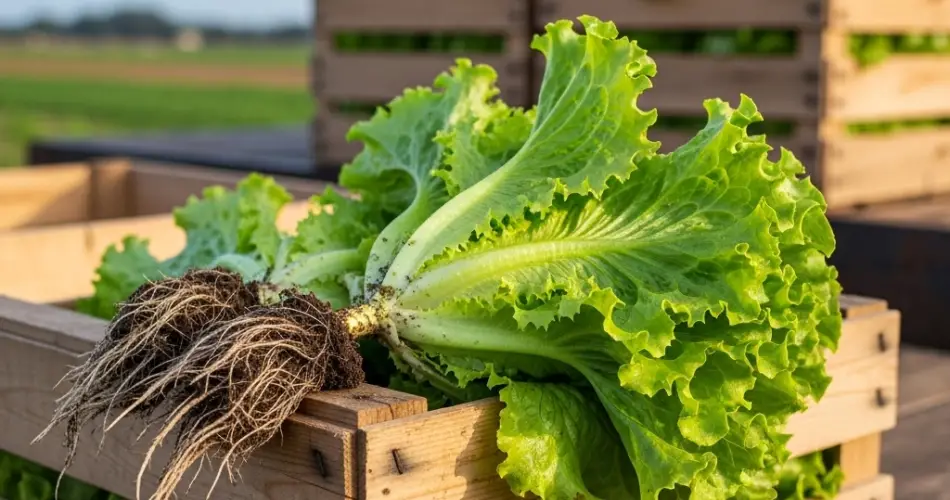
Growing lettuce in outdoor crate beds is one of the easiest and most satisfying ways to enjoy fresh, crisp greens at home. Whether you’re short on space or looking for a more mobile, flexible gardening solution, recycled wooden or plastic crates can serve as perfect growing containers. Lettuce is a fast-growing, shallow-rooted crop that adapts well to crate gardening and provides repeat harvests with minimal effort.
With proper care, you can keep your lettuce thriving in crate beds throughout multiple growing seasons. Here’s how to set up your crate garden and maintain healthy, productive lettuce plants outdoors.
Why Lettuce Loves Crates
Lettuce doesn’t require deep soil, which makes it an excellent crop for shallow containers like crates. Crates allow for:
-
Efficient drainage to prevent root rot.
-
Improved airflow around the base of the plants.
-
Mobility, so you can move the crates to optimize light and shade as needed.
-
Reusability—they’re a sustainable option for reducing plastic pots or ground beds.
Crate beds also allow gardeners to start small and scale up over time, perfect for beginners or those with limited outdoor areas like balconies, porches, or patios.
Choosing the Right Crate
Select a crate that is:
-
At least 6 inches deep: This is sufficient for lettuce roots.
-
Sturdy and breathable: Wooden fruit crates are excellent; plastic storage crates with holes also work.
-
Drilled for drainage: If your crate doesn’t have holes, drill several at the bottom to allow excess water to escape.
For wooden crates, line the interior with landscape fabric, burlap, or even recycled newspaper to hold the soil while still allowing water to pass through.
The Best Soil Mix for Lettuce
Lettuce prefers loose, well-draining soil rich in organic matter. A good blend for crate beds includes:
-
2 parts high-quality potting soil
-
1 part compost
-
A handful of perlite or coarse sand for drainage
Before planting, moisten the soil so that it’s damp but not wet. Fill the crate nearly to the top, leaving about an inch of space from the rim to help with watering and prevent overflow.
Planting Lettuce in Crates
There are two main methods for planting lettuce:
-
Direct Seeding: Sow seeds about ¼ inch deep and 1 inch apart. Once seedlings sprout, thin them to 4–6 inches apart, depending on the variety.
-
Transplants: Start seedlings indoors or buy starts from a nursery. Plant them directly into the crate, spacing them adequately.
You can mix different types of lettuce in one crate—such as romaine, butterhead, and loose-leaf varieties—to enjoy a blend of textures and flavors.
For continuous harvest, consider succession planting. Sow a new batch of seeds every two weeks so you’ll always have fresh leaves ready to pick.
Light and Placement Tips
Lettuce grows best in cool weather and partial sun. For outdoor crate beds:
-
Place crates in an area that receives 4–6 hours of sunlight daily.
-
During warmer months, provide afternoon shade to prevent bolting (premature flowering).
-
In cooler climates, full sun is ideal to support growth.
You can move crates around to adjust to the changing seasons—one of the major perks of crate gardening.
Watering and Fertilizing
Lettuce needs consistent moisture to grow tender and sweet. Check the soil daily, especially in warm or windy conditions, and water whenever the top inch feels dry. Avoid overwatering—roots don’t like to sit in soggy soil.
Feed lettuce every 2–3 weeks with a diluted liquid fertilizer, such as compost tea or a balanced organic blend. Too much nitrogen can lead to rapid but weak growth, so use moderation.
Mulching with shredded leaves, straw, or compost can help retain soil moisture and keep the temperature down during hot spells.
Harvesting Lettuce the Right Way
You don’t have to wait until the full head forms to enjoy your lettuce. In fact, cut-and-come-again harvesting is ideal for crate gardening.
Here’s how:
-
Trim outer leaves when they’re 4–6 inches tall, leaving the central rosette intact.
-
Use clean scissors or a sharp knife to avoid damaging the plant.
-
Avoid cutting too low or removing all the leaves at once.
Regular harvesting encourages continuous production, and most varieties will regrow multiple times before needing replacement.
Keeping Pests and Diseases Away
Outdoor crate beds can still attract pests, but lettuce is generally low-maintenance. Keep your crop healthy by:
-
Inspecting regularly for aphids or slugs.
-
Using neem oil or insecticidal soap if needed.
-
Avoiding overhead watering to prevent fungal diseases.
-
Spacing plants properly to ensure airflow.
Rotate crops in crates every few months or amend soil to prevent nutrient depletion and disease buildup.
Conclusion
Lettuce thrives in crate gardens when given the right balance of light, moisture, and airflow. With just a few basic supplies, you can transform recycled containers into a productive and space-efficient garden setup. Crate beds are not only practical but also an eco-conscious way to grow fresh greens on patios, balconies, or small backyards.
Whether you’re new to gardening or looking to expand your food-growing capabilities, lettuce in crates offers a rewarding experience with quick, delicious results—no traditional garden plot required.


