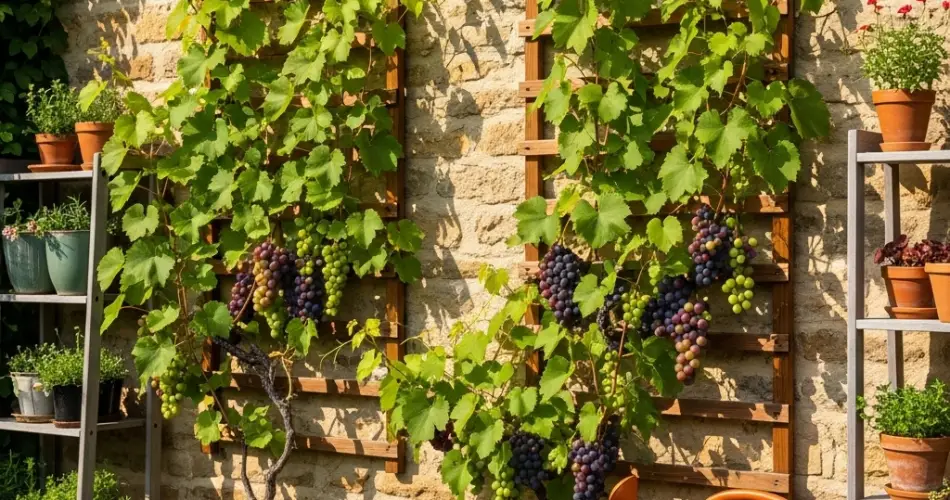
Grapes are a classic and rewarding addition to any garden, but without proper support, their vigorous vines can quickly overtake available space. For gardeners with limited room, urban settings, or a desire for a visually appealing landscape, vertical grape gardening using wall trellises offers an elegant and efficient solution. By guiding grapevines upward, wall trellises optimize space, improve air circulation, and make maintenance and harvesting easier.
Why Use Wall Trellises for Grapes
Grapevines are climbers that naturally sprawl in search of support. Without a trellis or other structure, vines can tangle, crowd neighboring plants, and reduce airflow around leaves and fruit. This can lead to disease, pest problems, and smaller, lower-quality grape clusters. Wall-mounted trellises provide a sturdy framework that directs vine growth upward, keeping leaves and fruit elevated and organized.
Using vertical trellises also allows gardeners to create an aesthetically pleasing backdrop or focal point, transforming plain walls into lush, green vineyard-style displays. Whether for a home garden, patio, or balcony, vertical trellises make grape cultivation practical, productive, and visually appealing.
Choosing the Right Wall Trellis
Selecting the appropriate trellis is crucial for long-term vine health and productivity:
-
Material: Trellises can be made from wood, metal, or PVC. Wood offers a natural look and is gentle on stems, while metal is durable and long-lasting. Ensure materials are weather-resistant, especially for outdoor installations.
-
Design: Grid, lattice, or crisscross designs provide multiple attachment points for vines and fruit clusters. Some trellises feature integrated hooks or horizontal slats, making it easier to train vines and secure heavy fruit.
-
Size: Trellises should be tall enough to accommodate mature grapevines, typically 5 to 7 feet, and wide enough for lateral growth. Proper spacing ensures good airflow and light penetration.
Preparing the Wall and Site
Before installing a trellis, prepare the wall and surrounding area:
-
Select a Sunlit Wall: Grapes thrive in full sun, so choose a wall that receives at least 6–8 hours of direct sunlight daily.
-
Check the Wall Surface: Ensure the wall is stable and can bear the weight of the trellis and mature vines. Brick, concrete, and treated wood walls are ideal, while softer materials may require additional reinforcement.
-
Prepare Soil and Planting Area: Grapevines need well-draining soil rich in organic matter. Position plants a few inches from the wall, allowing space for root growth and watering.
Installing the Wall Trellis
Installing a wall trellis properly ensures durability and effective support:
-
Mark the Layout: Determine the trellis height and width, and mark the wall where anchors or screws will go. Ensure the trellis is level and evenly spaced.
-
Attach Wall Anchors or Screws: Use heavy-duty wall anchors for masonry walls or long screws for wood surfaces. These anchors must be secure enough to handle the weight of mature vines and grape clusters.
-
Mount the Trellis: Align the trellis with the anchors and secure it firmly. Double-check that it is level and stable before adding plants.
-
Add Horizontal Supports if Needed: Some trellises benefit from additional horizontal crossbars for vine attachment and fruit support. Ensure they are evenly spaced for optimal vine training.
Training Grapevines on the Trellis
Once the trellis is installed, guiding grapevines is essential for a productive vertical garden:
-
Guide Young Vines: As shoots emerge, gently direct them toward the trellis openings, encouraging upward growth.
-
Secure Stems: Use soft garden twine, plant clips, or string to loosely attach stems to the trellis. Avoid tight bindings that could restrict growth.
-
Pruning: Regularly prune vines to remove excess or weak shoots, focusing energy on main stems and fruit clusters. Proper pruning improves airflow, sunlight exposure, and fruit quality.
-
Support Fruit Clusters: Heavy grape clusters may require additional support. Soft slings, netting, or ties can cradle clusters and prevent strain on stems.
Benefits of Wall Trellises
Wall-mounted trellises provide numerous advantages for grape cultivation:
-
Maximized Space: Vertical growth frees up ground space, ideal for small yards, patios, or urban gardens.
-
Healthier Plants: Elevated vines reduce disease risk and improve air circulation around leaves and fruit.
-
Ease of Harvesting: Fruit clusters are easier to see and pick, minimizing damage to vines.
-
Visual Appeal: Trellises create structured, vineyard-like aesthetics, enhancing the garden’s design and charm.
Maintenance Tips
To keep grapevines thriving on a wall trellis:
-
Inspect trellis attachments periodically to ensure stability.
-
Re-tie vines as they grow to maintain support.
-
Prune regularly to encourage airflow and healthy growth.
-
Water consistently and fertilize in early spring and mid-season to support vigorous vine development.
Conclusion
Wall trellises offer a practical and beautiful solution for vertical grape gardens. They provide essential support for climbing vines, promote healthier plants, and make harvesting more manageable. With careful selection, proper installation, and attentive vine training, gardeners can create a productive, space-efficient, and visually stunning vineyard-style display right against a wall. Vertical grape gardening with wall-mounted trellises is not only functional but also a way to bring the elegance and charm of a vineyard into your own backyard.


