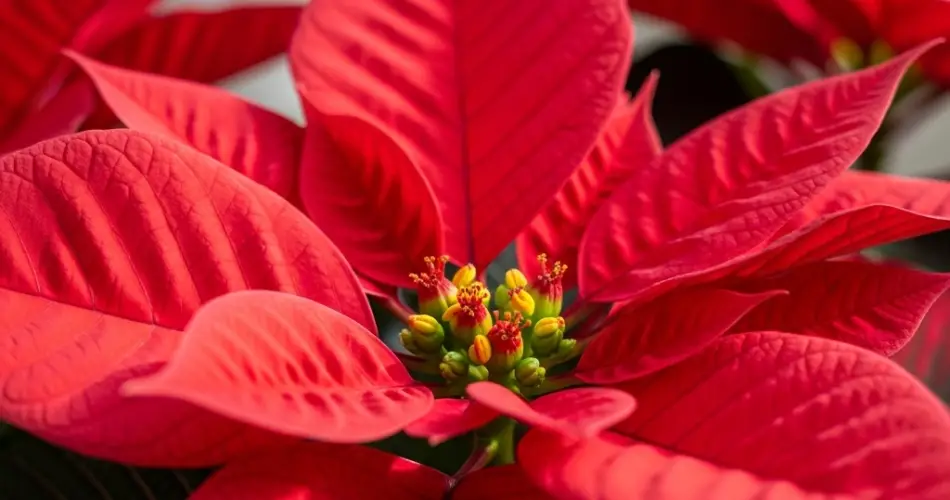
Poinsettias, often called Christmas plants or “Flores de Pascua,” are iconic symbols of the holiday season. Their vibrant red, pink, or white bracts add festive cheer to homes and celebrations around the world. But did you know that with the right care, you can enjoy these stunning plants—and their colorful blooms—all year round?
Poinsettias are not just seasonal decorations. When properly cared for, they can thrive well beyond the holidays, brightening your home throughout the year. This comprehensive guide reveals the secrets and tricks to keep your poinsettia healthy and blooming season after season.
Understanding the Poinsettia Plant
Poinsettias (Euphorbia pulcherrima) are tropical plants native to Mexico and Central America. They are popular for their brightly colored bracts—the leaf-like structures that surround their small yellow flowers.
Unlike many plants that bloom naturally in specific seasons, poinsettias require a special light and temperature cycle to trigger blooming. Understanding these requirements is key to successful year-round care.
Choosing the Right Poinsettia
When buying a poinsettia, look for a healthy plant with:
-
Vibrant, evenly colored bracts without brown spots or curling.
-
Firm stems and no signs of wilting.
-
Bright green leaves free from pests or disease.
Starting with a healthy plant gives you the best chance for longevity and reblooming success.
Ideal Environment for Poinsettias
Poinsettias thrive indoors under specific conditions:
-
Light: They need bright, indirect sunlight—ideally 6 hours per day. Avoid direct harsh sunlight, which can scorch the leaves.
-
Temperature: Keep them in a stable environment between 18-22°C (65-72°F). Avoid drafts, sudden temperature changes, or cold windowsills.
-
Humidity: Moderate humidity levels are ideal. Dry air, especially in heated homes, can cause leaf drop.
Maintaining these conditions supports healthy growth and helps prevent stress-related leaf loss.
Watering Your Poinsettia
Watering correctly is crucial:
-
Keep the soil moist but not waterlogged. Overwatering can lead to root rot.
-
Let the top inch of soil dry out between waterings.
-
Use room-temperature water to avoid shocking the roots.
-
Drain excess water from the saucer to prevent standing water.
Consistent watering habits will keep your poinsettia lush and vibrant.
Fertilizing for Continuous Growth
To encourage healthy foliage and bracts:
-
Feed your poinsettia every 4-6 weeks during the growing season (spring and summer) with a balanced, water-soluble fertilizer.
-
Avoid fertilizing while the plant is blooming to focus energy on the flowers.
-
Reduce feeding in the fall and winter when growth slows down.
How to Get Poinsettias to Bloom Again
One of the biggest challenges is making poinsettias bloom year after year. The key lies in controlling their light exposure:
-
Poinsettias are short-day plants, meaning they need long nights (at least 14-16 hours of complete darkness) and shorter days to trigger blooming.
-
Starting in early October, place your plant in complete darkness for 14-16 hours each night—in a closet, box, or covered area—followed by 8-10 hours of bright light during the day.
-
Continue this cycle for about 8-10 weeks.
-
After this dark period, the plant should start forming colorful bracts.
During the day, keep the plant in bright, indirect sunlight. Avoid exposing it to artificial light during the dark period.
Pruning and Maintenance
After the holiday season or when blooms fade:
-
Prune the plant back to about 15 cm (6 inches) tall to encourage new growth.
-
Remove any dead or yellowing leaves.
-
Repot the plant in fresh soil during spring if needed.
-
Maintain regular watering and feeding to support vigorous growth.
Common Issues and Troubleshooting
-
Leaf drop: Often caused by drafts, sudden temperature changes, or overwatering.
-
Pale or yellow leaves: May indicate insufficient light or nutrient deficiency.
-
No reblooming: Usually due to inconsistent dark period or insufficient night length.
Addressing these issues early will help keep your poinsettia healthy and blooming.
Seasonal Care Cycle Summary
-
Winter (blooming period): Provide bright light and moderate watering.
-
Spring: Prune and repot, increase watering and fertilizing.
-
Summer: Keep in bright indirect light, maintain regular care.
-
Fall: Begin the controlled dark period to induce blooming.
Final Thoughts
With patience and attention to detail, your poinsettia can be a beautiful, blooming presence in your home throughout the year, not just at Christmas. Understanding its unique light requirements and providing consistent care are the keys to success.
Whether you keep it as a cherished holiday tradition or enjoy its vibrant colors year-round, this plant offers lasting beauty and cheer.


