Sunflowers are not only admired for their bright, cheerful blooms but also valued for their nutritious seeds. Harvesting sunflower seeds at the right time and in the right way ensures a bountiful yield that you can enjoy as snacks, use in recipes, or save for planting next season.
If you want to learn how to harvest sunflower seeds successfully, this guide will walk you through the entire process—from knowing when to harvest to drying and storing your seeds properly.
When to Harvest Sunflower Seeds
Timing is crucial when harvesting sunflower seeds. The seeds should be fully mature and dry on the flower head before you start harvesting. Here are some signs that indicate your sunflower seeds are ready:
-
Flower Head Turns Brown: The back of the sunflower head will change color from green to yellow or brown.
-
Petals Have Fallen Off: Most or all of the bright yellow petals will have dried and dropped.
-
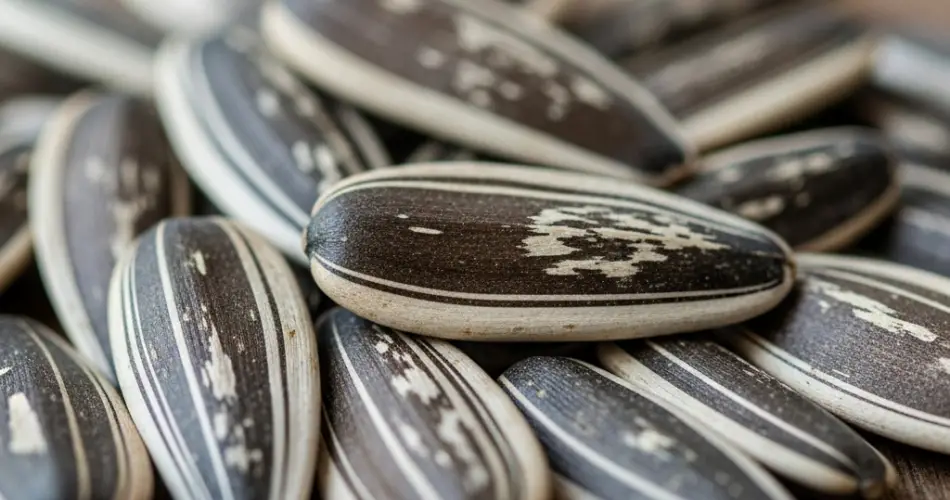
Seeds Look Plump and Developed: Seeds appear full and firm with a hard shell. They will usually be black and white-striped or solid black, depending on the variety.
-
Seed Heads Feel Dry: The head will feel dry and papery when touched.
Typically, sunflowers take between 70 to 100 days from planting to reach seed maturity, depending on the variety and growing conditions.
Preparing to Harvest
Before harvesting, it’s important to prepare your tools and environment:
-
Tools: A sharp pair of pruning shears or garden scissors will help you cut the flower heads cleanly.
-
Protective Gear: Wear gloves and long sleeves to protect yourself from prickly stems or possible sap.
-
Harvest Area: Choose a dry day with little wind to avoid mold and to make drying easier.
Step-by-Step Harvesting Process
1. Cut the Flower Heads
Use pruning shears to cut the sunflower heads from the stalks. Leave about 12 to 18 inches of stem attached for easy handling and hanging.
2. Remove Excess Leaves
Trim away large leaves or damaged parts from the flower head to help with drying and prevent mold.
3. Dry the Sunflower Heads
Drying is an essential step to ensure the seeds don’t spoil.
-
Hang Upside Down: Tie the stems with string or twine and hang the flower heads upside down in a warm, dry, well-ventilated area such as a shed, garage, or porch.
-
Drying Time: It can take 2 to 4 weeks for the sunflower heads to dry thoroughly. Check periodically for any signs of mold or moisture.
Extracting the Seeds
Once the flower heads are dry, it’s time to remove the seeds.
-
Manual Removal: Rub the seeds off the head using your hand or a stiff brush. You can also press the back of the flower head with your fingers to loosen the seeds.
-
Tools: For larger quantities, use a comb or your fingers to pull seeds free.
-
Be Gentle: Take care not to damage the seeds while extracting.
Cleaning and Sorting Seeds
After removal, clean the seeds by separating them from chaff and debris.
-
Winnowing: Toss the seeds lightly in a bowl or on a tray in a gentle breeze or in front of a fan to blow away lighter debris.
-
Rinse if Needed: If the seeds are dirty or sticky, rinse them under cold water and spread them out to dry thoroughly.
-
Sort: Discard any seeds that are damaged, discolored, or misshapen.
Drying the Seeds for Storage
Even after extraction, the seeds may still have moisture that can cause spoilage.
-
Spread seeds out in a single layer on a paper towel, screen, or tray.
-
Place them in a warm, dry area with good airflow for several days.
-
Stir seeds occasionally to ensure even drying.
-
Seeds should be completely dry and hard before storing.
Storing Sunflower Seeds
Proper storage extends the shelf life of your seeds and keeps them fresh.
-
Containers: Use airtight containers such as glass jars, plastic containers, or resealable bags.
-
Cool, Dark Place: Store seeds in a cool, dark, and dry environment like a pantry or refrigerator.
-
Refrigeration: For longer storage (up to a year), refrigeration or freezing can help preserve freshness and prevent rancidity.
-
Label: Always label containers with the date of harvest for reference.
Using Your Harvested Sunflower Seeds
Sunflower seeds are versatile and can be used in many ways:
-
Roasting: Roast seeds at home with a little salt or seasoning for a healthy snack.
-
Cooking and Baking: Add seeds to salads, bread, granola, and other dishes.
-
Planting: Save the best seeds for planting in the next growing season.
Tips for a Successful Harvest
-
Grow Healthy Plants: Proper watering, fertilizing, and pest control during the growing season will result in more seeds.
-
Protect from Birds and Wildlife: Use netting or scare tactics to keep birds from eating seeds before harvest.
-
Monitor for Pests: Check for insects or diseases that might affect seed quality.
Final Thoughts
Harvesting sunflower seeds is a rewarding experience that allows you to enjoy the fruits of your gardening efforts in multiple ways. By harvesting at the right time, drying properly, and storing seeds carefully, you can maximize your yield and enjoy fresh sunflower seeds for months.
Whether you want to snack on your seeds, use them in cooking, or save them for planting, following this guide will help you harvest sunflower seeds like a pro.


