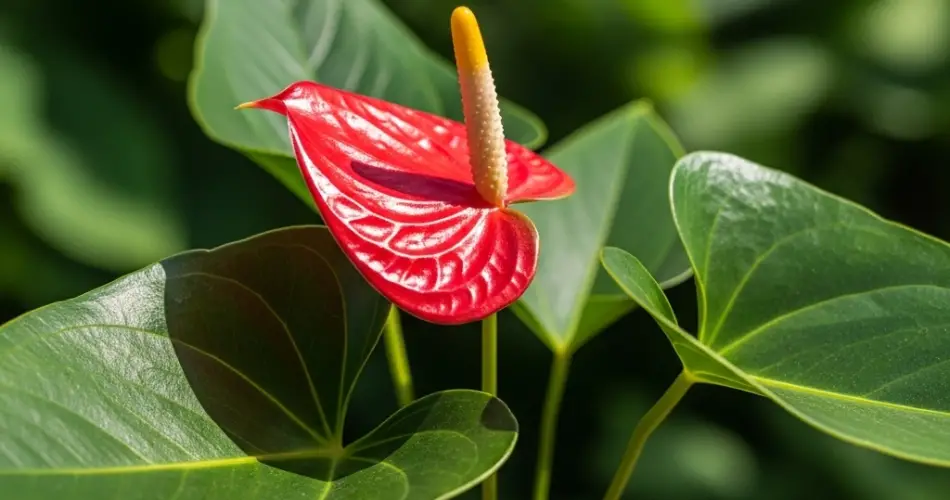
Anthuriums, with their bold colors and glossy leaves, are one of the most striking plants you can grow in your backyard. Their heart-shaped flowers—often red, pink, white, or purple—add a tropical touch to any garden, and the good news is: they’re not nearly as difficult to grow or harvest as they look.
Whether you’re cultivating them for decoration or to enjoy fresh cut flowers indoors, anthuriums can be harvested easily with a little know-how. Even if you’re not an experienced gardener, these plants are forgiving and require minimal effort once established.
Here’s how to grow, care for, and harvest anthuriums from your backyard with zero hassle.
Choose the Right Spot for Growing
Anthuriums thrive in warm, humid environments that mimic their native tropical forests. When planting them in your backyard, choose a location that:
-
Receives bright, indirect sunlight
-
Has well-draining soil rich in organic matter
-
Is sheltered from strong winds or direct afternoon sun
If your backyard gets intense sunlight, consider planting them near taller plants or under partial shade. Too much sun can scorch the leaves and cause flowers to fade quickly.
Soil and Planting Tips
Anthuriums love loose, airy soil that holds moisture but doesn’t stay soggy. Use a mix of:
-
Garden soil
-
Coconut husk or orchid bark
-
Perlite or sand
-
Compost or aged manure
Dig a hole that allows the root system to spread comfortably, then plant the anthurium so the crown (where the leaves emerge) sits just above the soil. Water well after planting, and apply a layer of mulch around the base to retain moisture and suppress weeds.
Watering and Feeding
Anthuriums need consistent moisture but hate waterlogged soil. Water your plants when the top inch of soil feels dry, aiming for a balance—never let them completely dry out, and never let them sit in puddles.
During the growing season (spring to early fall), feed them every 4–6 weeks with a balanced liquid fertilizer or one high in phosphorus to encourage blooming. A formula like 10-30-20 can stimulate healthy flower production.
Avoid over-fertilizing, as this can cause salt buildup in the soil, leading to root burn and yellowing leaves.
When and How to Harvest Anthuriums
Once your plant is mature and producing flowers regularly, you can begin harvesting. Anthurium blooms last a long time on the plant and in a vase—up to 3 weeks—making them ideal for cutting.
Here’s how to harvest without harming the plant:
-
Wait for the right stage: Harvest flowers when the spathe (the colored, petal-like part) is fully open and glossy, and the spadix (the central spike) appears firm. This is the peak of its lifespan and when it will last longest after cutting.
-
Use sharp, clean tools: Always use sterilized pruning shears or scissors to prevent disease.
-
Cut at the base: Snip the flower stem close to the base where it emerges from the main plant. Avoid tugging or breaking the stem, as this can damage the plant.
-
Harvest regularly: Regular harvesting encourages more blooming. As old flowers are removed, the plant redirects energy into producing new ones.
Aftercare and Encouraging New Blooms
After harvesting, continue your regular care routine. Keep the plant well-watered, feed it monthly, and prune any dead or yellowing leaves. If the plant stops blooming:
-
Check the light—it may be too low.
-
Consider dividing or repotting if the plant is root-bound.
-
Reduce watering slightly in winter, then resume feeding in early spring.
If you’re in a cooler climate, you can also grow anthuriums in containers outdoors during warm months, then bring them inside when temperatures drop below 60°F (15°C).
Common Problems and Quick Fixes
-
Brown tips: Often a sign of low humidity or over-fertilizing. Increase misting and flush the soil with clean water monthly to prevent salt buildup.
-
Yellow leaves: Usually caused by overwatering or poor drainage.
-
No flowers: May indicate insufficient light or nutrients. Move to a brighter spot and resume balanced feeding.
Bonus: Extend the Life of Cut Flowers
If you’re harvesting anthuriums for display indoors, you can make them last even longer with these simple tips:
-
Cut in the early morning when the plant is most hydrated.
-
Place stems in a clean vase with fresh water.
-
Change the water every 3–4 days and recut stems to maintain freshness.
-
Keep the arrangement away from direct sunlight, heaters, and ripening fruit (which releases ethylene gas that shortens bloom life).
Final Thoughts
Growing and harvesting anthuriums in your backyard doesn’t have to be complicated. With the right environment, soil, and a bit of regular care, these elegant plants will reward you with vibrant blooms nearly year-round. And when it’s time to harvest, the process is simple and satisfying—even for those who’ve never gardened before.
Start small, enjoy the lush tropical beauty, and soon you’ll have fresh flowers at your fingertips with zero hassle.


