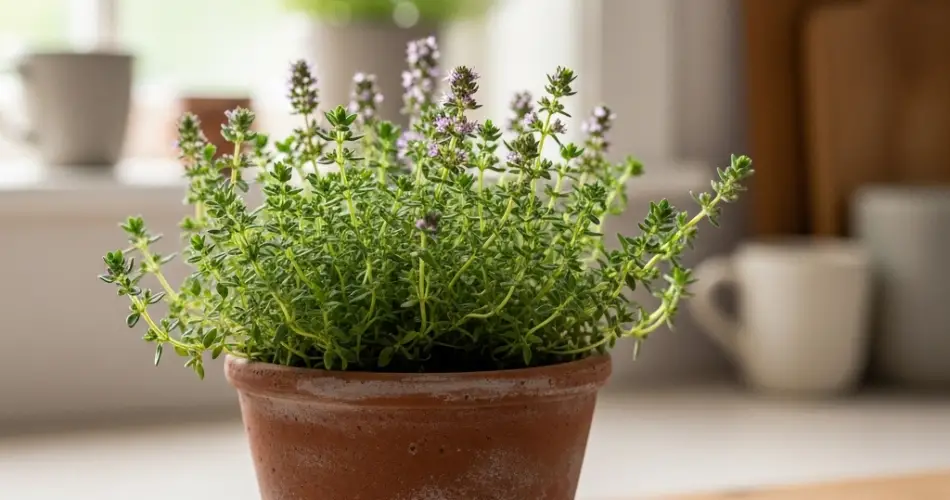
Thyme is a fragrant and flavorful herb that has become a staple in kitchens worldwide. Its earthy, slightly minty taste complements a wide range of dishes, from roasted meats and vegetables to soups, stews, sauces, and even some baked goods. Growing thyme in your kitchen ensures you always have fresh leaves at hand, ready to elevate your meals. Proper harvesting and usage techniques not only maximize flavor but also keep your thyme plant healthy and productive year-round.
Indoor thyme is easy to maintain, making it ideal for both beginner and experienced home gardeners. With minimal care, a single thyme plant can provide fresh leaves for months while adding greenery and a pleasant aroma to your kitchen.
Why Harvesting Correctly Matters
Harvesting thyme properly encourages the plant to produce new growth and ensures that leaves retain their full flavor. Cutting stems incorrectly or too aggressively can stress the plant, resulting in slower growth or reduced leaf quality. By learning the right harvesting methods, you can enjoy a steady supply of fresh thyme while keeping your indoor plant thriving.
When to Harvest Thyme
Thyme can be harvested year-round once the plant is established and has several sets of leaves. The best time to harvest is in the morning, after any dew has dried but before the heat of the day, when the essential oils are most concentrated. This ensures the leaves have maximum flavor and aroma.
New growth can be harvested at any time, but avoid taking more than one-third of the plant at once to maintain its health and vigor. Regular, moderate harvesting encourages bushy growth, preventing the plant from becoming leggy or sparse.
How to Harvest Thyme
-
Identify healthy stems: Look for stems that are firm, green, and free of damage or discoloration. Avoid cutting woody or older stems, which are less flavorful.
-
Use sharp scissors or garden shears: Clean cuts prevent damage to the plant and reduce the risk of disease.
-
Cut above a pair of leaves: Snip the stem just above a set of leaves or leaf nodes. This encourages the plant to branch out and produce more stems.
-
Harvest selectively: Focus on trimming the outer stems and leaving the central growth intact to allow continued development.
Regular pruning not only provides fresh leaves for cooking but also keeps the plant compact, healthy, and attractive on your kitchen windowsill or countertop.
Using Fresh Thyme in Cooking
Fresh thyme can be used in a variety of culinary applications:
-
Roasted dishes: Add whole sprigs or stripped leaves to roasted vegetables, chicken, or lamb for a fragrant finish.
-
Soups and stews: Thyme infuses broths and slow-cooked meals with earthy flavor.
-
Sauces and marinades: Fresh thyme enhances tomato sauces, vinaigrettes, and meat marinades.
-
Herb blends: Combine thyme with rosemary, parsley, or oregano for aromatic seasoning mixes.
-
Garnishes: Sprinkle fresh leaves over dishes just before serving for a pop of flavor and visual appeal.
When using fresh thyme, leaves can be stripped from the stems by running your fingers down the stem, or you can add small sprigs to dishes and remove them before serving.
Preserving Thyme
To make the most of your kitchen-grown thyme, consider preservation techniques for later use:
-
Drying: Hang trimmed stems upside down in a dry, airy location until fully dried. Store in airtight containers for several months.
-
Freezing: Strip leaves from stems and freeze them in ice cube trays with a little water or olive oil. This preserves flavor for soups and sauces.
-
Infused oils or vinegar: Add fresh thyme sprigs to bottles of oil or vinegar to create aromatic infusions for cooking or salad dressings.
Preservation methods ensure that the flavors of your fresh thyme can be enjoyed even when the plant is not actively producing new growth.
Maintaining Your Thyme Plant
After harvesting, continue to care for your thyme by providing bright, indirect sunlight, well-draining soil, and occasional watering when the soil is dry. Pruning after heavy harvesting encourages regrowth and keeps the plant healthy. Over time, you’ll develop a rhythm of harvesting and care that ensures a steady supply of fresh thyme leaves.
Final Thoughts
Harvesting and using kitchen-grown thyme is simple and rewarding. By following proper harvesting techniques, you can enjoy fresh, aromatic leaves while keeping your plant productive. Whether you use it immediately in cooking, preserve it for later, or combine it with other herbs for flavorful blends, thyme adds depth and aroma to a variety of dishes.
With consistent care, your indoor thyme plant will provide months of fresh, flavorful leaves, enhancing your cooking while adding greenery and natural beauty to your kitchen. Growing thyme at home is not only practical but also a satisfying way to bring fresh flavors to your everyday meals.


