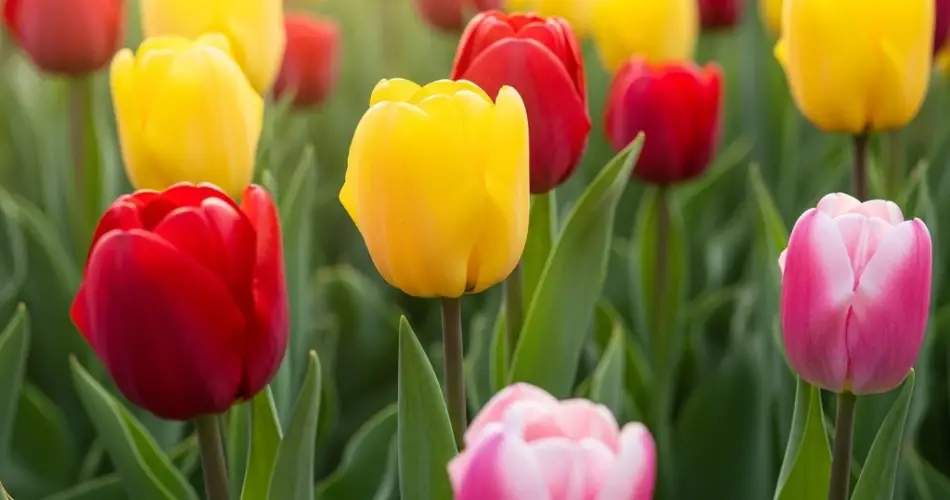
Tulips are among the most beloved and iconic spring flowers worldwide. Their vibrant colors, elegant shapes, and early blooming period bring a burst of joy and color to gardens and landscapes. Growing tulips can be a straightforward and rewarding experience, whether you are a beginner gardener or an experienced horticulturist.
This guide provides everything you need to know about planting, caring for, and enjoying tulips in your garden or containers.
Why Grow Tulips?
Tulips are cherished for their variety of colors and forms, from classic reds and yellows to delicate pastels and striking bi-colors. They symbolize renewal and the arrival of spring, making them a favorite among flower enthusiasts.
Besides their aesthetic appeal, tulips are relatively easy to grow and can thrive in many climates with proper care. They also make excellent cut flowers for home décor.
Choosing Tulip Bulbs
Tulips grow from bulbs, which are planted in the fall to bloom in the spring. When selecting tulip bulbs, keep these tips in mind:
-
Choose Healthy Bulbs: Look for firm, large, and plump bulbs without signs of mold, bruising, or soft spots.
-
Pick Varieties Suited to Your Climate: Some tulip varieties do better in colder regions, while others tolerate milder winters.
-
Consider Bloom Time: Tulips bloom at different times—early, mid, or late spring—allowing you to plan a staggered flowering display.
When and Where to Plant Tulips
The best time to plant tulip bulbs is in the fall, typically 6 to 8 weeks before the first hard frost. This timing allows the bulbs to establish roots before winter dormancy.
Location: Tulips prefer a sunny spot with well-draining soil. Aim for an area that receives at least 6 hours of direct sunlight per day. Avoid low spots where water tends to pool, as bulbs can rot in soggy soil.
Preparing the Soil
Tulips thrive in loose, fertile, well-draining soil with a neutral to slightly acidic pH (6 to 7). Before planting:
-
Loosen the soil to a depth of about 12 inches.
-
Amend heavy clay or sandy soils with compost or well-rotted organic matter to improve texture and fertility.
-
Avoid excessive nitrogen fertilizer, which can promote lush foliage but reduce flowering.
How to Plant Tulip Bulbs
-
Dig the Holes: Plant bulbs about 6 to 8 inches deep, measuring from the base of the bulb. Space bulbs approximately 4 to 6 inches apart to allow room for growth.
-
Plant with the Pointy End Up: Tulip bulbs have a pointed side, which should face upward. This is where the stem will emerge.
-
Cover and Water: After placing bulbs in the hole, cover them with soil and gently firm it down. Water the area thoroughly to help the bulbs settle in and encourage root growth.
-
Mulch: Apply a 2-3 inch layer of mulch to help regulate soil temperature, retain moisture, and protect bulbs over winter.
Caring for Tulips During Growth
-
Watering: Tulips need moderate watering. After planting, water well once or twice if the fall is dry. Avoid overwatering during dormancy and flowering to prevent bulb rot.
-
Fertilizing: Apply a balanced fertilizer when shoots first appear in spring. A low-nitrogen fertilizer with phosphorus and potassium encourages healthy blooms.
-
Weeding: Keep the planting area free from weeds that compete for nutrients and water.
-
Pests and Diseases: Watch for pests like aphids and fungal diseases such as tulip fire or bulb rot. Good garden hygiene, well-draining soil, and avoiding overhead watering help reduce problems.
Tulip Blooming and Aftercare
Tulips typically bloom in early to mid-spring, depending on the variety and climate. Enjoy their vibrant flowers for several weeks.
Post-bloom Care:
-
Allow the foliage to die back naturally after blooming. The leaves provide energy to the bulb for next year’s growth.
-
Avoid cutting leaves until they turn yellow and wither.
-
Once foliage has died back, you can remove it and decide whether to leave bulbs in the ground or lift and store them.
Lifting and Storing Tulip Bulbs
In areas with wet summers or if you want to move bulbs, lift them after foliage dies back:
-
Carefully dig up bulbs and remove soil.
-
Let bulbs dry in a shaded, well-ventilated place for a few days.
-
Store bulbs in a cool, dry place in breathable bags or boxes until fall planting.
Growing Tulips in Containers
Tulips also grow well in pots and containers:
-
Use a deep container (at least 12 inches) with drainage holes.
-
Plant bulbs 6-8 inches deep with proper spacing.
-
Place containers outdoors in fall to allow natural chilling.
-
Bring indoors in early spring for blooming or keep outdoors for spring flowers.
Tips for Successful Tulip Growing
-
Plant new bulbs every year or every few years for best bloom quality.
-
Consider mixing tulip varieties with different bloom times to extend flowering.
-
Combine tulips with other spring bulbs like daffodils for a varied garden display.
-
Protect bulbs from squirrels or rodents by planting wire mesh or using deterrents.
Conclusion
Growing tulips is a delightful way to brighten your garden each spring with beautiful, colorful flowers. By choosing healthy bulbs, planting at the right time, and providing proper care, you can enjoy stunning tulip blooms year after year. Whether in your garden beds or containers, tulips bring charm and elegance with relatively simple effort.
Start planning your tulip garden this fall, and look forward to a spectacular spring filled with vibrant tulip colors!


