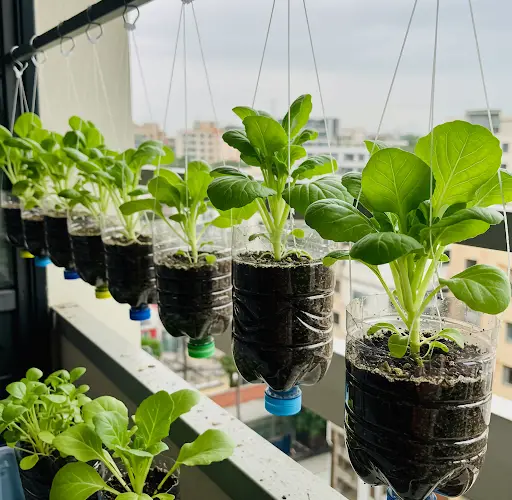
Tatsoi (Brassica rapa var. rosularis), a leafy Asian green known for its spoon-shaped leaves and mild mustard-like flavor, is a versatile vegetable that’s gaining popularity among home gardeners. It’s fast-growing, nutritious, and tolerant of a variety of conditions, making it an ideal choice for urban gardening—even in small spaces.
One surprisingly effective way to grow Tatsoi at home is by using recycled plastic bottles and whole eggs. This technique is space-saving, low-cost, and environmentally friendly, while also providing the plant with long-lasting nutrients. It’s perfect for anyone looking to grow food in balconies, patios, or limited garden space without needing expensive materials or commercial fertilizers.
Why Tatsoi?
Tatsoi is often described as a cousin to bok choy but with a softer texture and more compact rosette shape. It can be eaten raw in salads, lightly sautéed, or added to soups and stir-fries. Rich in vitamins A, C, and K, as well as calcium and folate, Tatsoi is a powerhouse green that deserves more attention in home gardens.
Its short growth cycle (as little as 30–40 days to harvest) and ability to thrive in cooler temperatures make it perfect for year-round growing in many climates.
What You’ll Need
To grow Tatsoi using this method, gather the following materials:
-
2-liter plastic bottles (any clean soda or water bottles)
-
Whole raw eggs (1 per bottle)
-
Quality potting soil (or a mix of compost, coco coir, and perlite)
-
Tatsoi seeds
-
Knife or scissors
-
String or wire for hanging
-
Nail or drill for drainage holes
This setup transforms trash into a vertical growing system and uses the slow-release nutrients of a decomposing egg to feed your plant naturally over time.
Step-by-Step Instructions
1. Prepare the Bottle
Start by thoroughly cleaning your plastic bottle and removing any labels. Using a knife or scissors, cut a wide window or “door” on one side of the bottle—large enough to fill with soil and plant Tatsoi seeds. Leave the top intact if possible, as it can help funnel water to the roots.
Poke or drill 4–6 small holes at the bottom and along the lower sides of the bottle for drainage. This is crucial to prevent waterlogging and root rot.
Punch two small holes near the top on opposite sides and run string or wire through them so the bottle can be hung securely later.
2. Add the Egg
Place one whole raw egg (uncracked) at the bottom of the bottle. As the egg decomposes, it will slowly release nitrogen, phosphorus, and other nutrients into the soil. This acts as a natural fertilizer, supporting healthy leaf and root growth over several weeks.
Don’t worry about odor—when buried properly and kept in a well-draining container, the egg will break down quietly without any noticeable smell.
3. Fill With Soil
On top of the egg, add your prepared potting mix. Leave about an inch of space from the top to allow for watering.
Use a mix that retains moisture but drains well. A good ratio is:
-
40% compost or aged manure
-
30% coco coir or peat moss
-
30% perlite or coarse sand
This blend ensures root aeration while providing the nutrients needed for vigorous growth.
4. Plant the Seeds
Sow 4–5 Tatsoi seeds into the soil about 1/4 inch deep. Gently water them in and place the hanging bottle in a location that receives at least 4–6 hours of indirect sunlight daily—a balcony, patio railing, or sunny wall works great.
Once seedlings appear, thin them to 1–2 healthy plants per bottle to reduce crowding and promote larger leaves.
Caring for Your Hanging Tatsoi
-
Watering: Tatsoi prefers consistently moist (but not soggy) soil. In warmer conditions, you may need to water every 1–2 days. Use a small watering can or bottle to direct water into the soil opening.
-
Fertilizing: The buried egg provides a slow-release source of nutrients. Additional feeding may not be necessary, but a light compost tea after 3–4 weeks can give plants an extra boost if needed.
-
Pest control: Keep an eye out for aphids or slugs. Hanging containers help reduce ground-based pests. If needed, spray with a mild soap and water solution to control insects.
Harvesting Your Tatsoi
Tatsoi is ready to harvest when the rosette reaches about 4–6 inches across. You can begin harvesting outer leaves for a “cut-and-come-again” approach or pull the entire plant when mature.
Since Tatsoi grows quickly, you can reseed every few weeks for a continuous supply throughout the year.
Final Thoughts
Growing Tatsoi in plastic hanging bottles with a simple buried egg is a clever gardening trick that proves how easy, affordable, and sustainable home food production can be. It’s an ideal solution for urban dwellers, beginners, or anyone looking to reduce waste and increase self-sufficiency.
The process not only turns everyday items like eggs and bottles into valuable garden resources, but also delivers fresh, nutrient-rich greens right to your doorstep. Once you try this method, you may find yourself experimenting with other leafy vegetables the same way.


