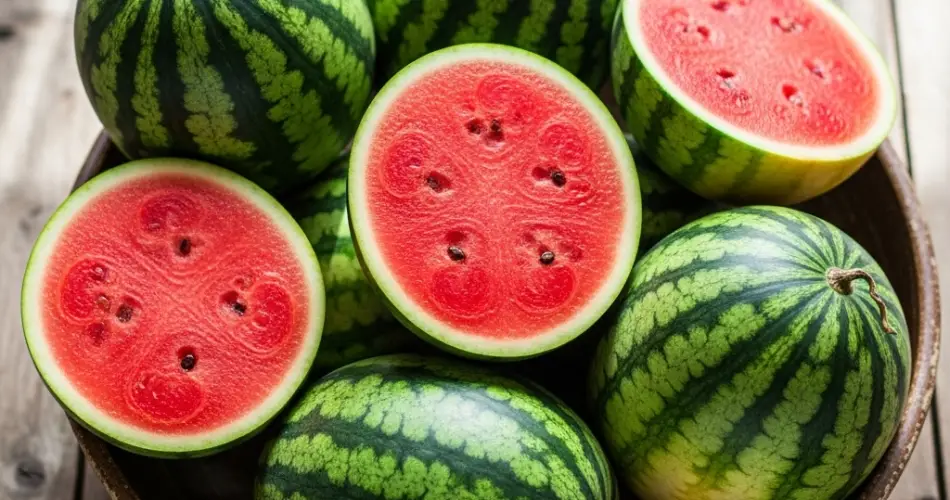
Watermelons are the ultimate symbol of summer—sweet, juicy, and refreshing. While they’re traditionally grown sprawling across open garden beds, it’s entirely possible to grow them in containers right at home. With the right variety, proper care, and a little planning, you can enjoy delicious, homegrown watermelons even if you’re limited to a balcony, patio, or small yard.
Here’s everything you need to know to grow sweet watermelons in containers.
Choosing the Right Variety
Not all watermelons are suitable for container growing. Standard varieties can grow too large and produce sprawling vines that overwhelm small spaces. For container gardening, opt for compact or bush varieties bred for small spaces. Some great choices include:
-
‘Sugar Baby’ – One of the most popular small watermelons. It produces fruits around 6–10 pounds and matures in about 75–80 days.
-
‘Bush Sugar Baby’ – A more compact version with shorter vines.
-
‘Golden Midget’ – A small, early-maturing variety with sweet flavor and yellow skin.
-
‘Mini Love’ – A compact hybrid with excellent sweetness and disease resistance.
Choosing a small or bush-type watermelon increases your chances of success in containers.
Selecting the Right Container
Watermelons have deep root systems and require plenty of space to thrive. Choose a large container, ideally at least 18–24 inches deep and 20 inches wide, with a capacity of 5–10 gallons or more.
Make sure the container has good drainage holes, as watermelons don’t like soggy soil. Plastic, fabric grow bags, ceramic, or even half-barrels can all work well.
Soil Preparation
Use a light, well-draining potting mix that retains moisture but doesn’t stay soggy. A good mix might include:
-
1 part quality potting soil
-
1 part compost for nutrients
-
1 part perlite or coarse sand for aeration
Watermelons prefer slightly acidic to neutral soil (pH 6.0–7.0). You can mix in some organic fertilizer or slow-release granules before planting to support early growth.
Planting and Germination
You can start watermelons from seed or transplants. If sowing seeds directly in the container:
-
Plant 2–3 seeds per pot, about 1 inch deep.
-
Keep the soil moist and warm—watermelons germinate best at 70–90°F (21–32°C).
-
Once the seedlings emerge, thin to the strongest plant.
If using seedlings, transplant them gently into the container without disturbing the roots too much.
Watermelons need full sun—at least 6–8 hours daily—to develop sweet, flavorful fruit.
Supporting the Vines
Even compact watermelon varieties can produce long vines. To keep things tidy, consider:
-
Trellising the vines vertically using a sturdy cage or trellis.
-
Gently training vines upward as they grow using soft ties.
-
Supporting developing fruits with slings made from cloth or mesh if growing vertically.
Alternatively, allow the vines to spill over the sides and spread on the ground, especially if space allows.
Watering and Feeding
Watermelons are thirsty plants, especially during fruit development. Keep the soil consistently moist but not soggy:
-
Water deeply when the top inch of soil feels dry.
-
Reduce watering slightly once fruit starts ripening to improve sweetness.
Feed regularly with an organic, balanced fertilizer or one with slightly higher phosphorus (middle number in NPK, like 5-10-5) to support flowering and fruiting. Compost tea or diluted fish emulsion are also good choices during the growing season.
Pollination Tips
Watermelons rely on insect pollination. In container gardens where pollinators may be scarce, you can hand-pollinate:
-
Identify a male flower (with a thin stem behind it) and a female flower (with a tiny swelling that looks like a mini melon).
-
Use a small brush or gently rub the male flower’s center onto the female flower’s center.
Doing this in the morning increases your chances of successful fruit set.
Harvesting Sweet, Ripe Watermelons
Watermelons are typically ready for harvest 70–90 days after planting, depending on the variety. Look for these signs of ripeness:
-
The tendril closest to the fruit turns brown and dry.
-
The underside of the fruit turns creamy yellow.
-
The fruit makes a deep, hollow sound when tapped.
Avoid leaving ripe melons on the vine too long, as they can over-ripen and split.
Container Watermelon Care Tips
-
Rotate the pot occasionally to ensure even sun exposure.
-
Mulch the surface with straw or shredded leaves to retain moisture.
-
Protect from pests like aphids or spider mites with natural treatments such as neem oil.
As the season winds down, remove any small, undeveloped fruits to direct the plant’s energy to maturing the remaining ones.
Final Thoughts
Growing sweet watermelons in containers is not only possible but also incredibly satisfying. With the right compact variety, a roomy container, and consistent sun, water, and care, you can enjoy the juicy taste of summer from your own patio or balcony. Whether you’re gardening in a small space or just want to try something new, container watermelons are a fun and fruitful adventure.
So grab a pot, plant a vine, and let your sweet watermelon journey begin—right from the comfort of your home.


