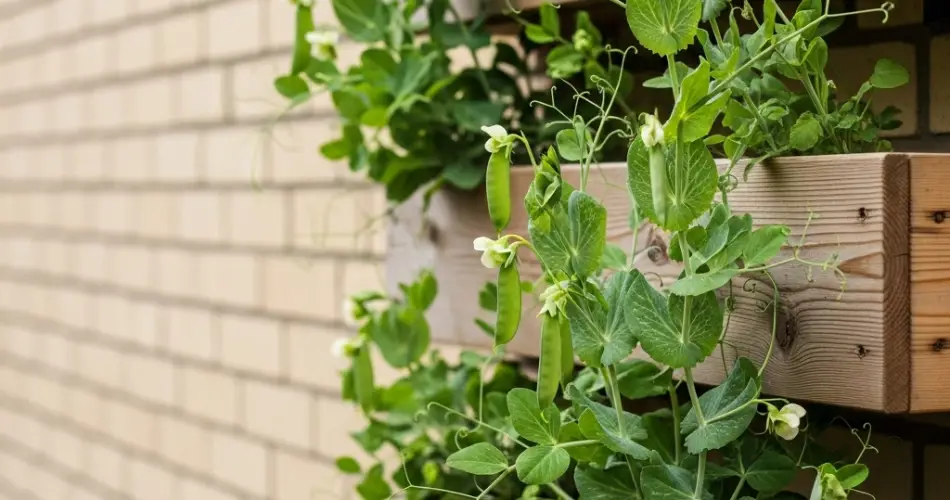
Sweet peas are charming climbing plants known for their fragrant flowers and delicate tendrils. Whether you’re drawn to them for their lovely scent, their colorful blooms, or their decorative climbing habit, they can bring vertical beauty to even the smallest of spaces. If you live in an apartment or have limited ground space, you can still enjoy growing sweet peas using a wall-mounted bottle garden. This method is affordable, sustainable, and ideal for vertical gardening enthusiasts.
With a few recycled bottles and some basic materials, you can create a space-saving garden that blooms with sweet peas. Here’s how to do it step by step.
Materials Needed
-
1.5 to 2-liter plastic bottles (washed and dried)
-
Cutter or scissors
-
Heated nail or small drill (for drainage holes)
-
String, twine, or wire (for hanging)
-
Potting mix
-
Compost or organic fertilizer
-
Sweet pea seeds (dwarf or climbing varieties)
-
Vertical support like mesh, netting, or a trellis
-
Spray bottle or watering can
Step 1: Prepare the Bottles
Start by selecting sturdy plastic bottles of the same size for a uniform wall garden. Cut a rectangular window on one side of each bottle to act as a planting pocket. Leave the cap on, but poke or drill a few drainage holes into the bottom and sides near the base to allow excess water to escape.
To hang the bottles, make two holes on opposite sides near the top edge and thread twine or wire through them. This will allow you to mount the bottles on a wall, fence, or any vertical surface that gets sufficient sunlight.
Step 2: Choose the Right Sweet Pea Variety
There are two main types of sweet peas: tall climbing varieties and compact bush types. For a wall-mounted garden, climbing varieties are ideal as they’ll grow upward, creating a curtain of color and fragrance. However, if your vertical structure is limited in height, opt for dwarf or semi-dwarf varieties that produce shorter vines.
Step 3: Prepare the Soil
Sweet peas prefer well-draining, nutrient-rich soil. A good potting mix should contain compost, coco peat or perlite, and a bit of garden soil. Mix in some organic fertilizer or aged compost to boost initial growth.
Moisten the soil before planting. Fill each bottle nearly to the top, leaving about an inch of space for watering.
Step 4: Sow the Seeds
Soak sweet pea seeds in water overnight before planting. This softens the seed coat and encourages quicker germination. Plant two to three seeds per bottle, about 1.5 to 2 cm deep. Cover them with a thin layer of soil and pat it down lightly.
Sweet peas prefer cool weather, so if you’re planting in a tropical climate, aim for early spring or during cooler months. For temperate regions, sow seeds in late winter or early spring once the frost risk has passed.
Step 5: Mount and Support
Once planted, hang the bottles on a sunny wall or fence that receives at least 5–6 hours of direct sunlight daily. For climbing varieties, set up a trellis, mesh net, or vertical wires behind the bottles. As the sweet peas grow, their tendrils will naturally reach out and cling to nearby supports.
Gently guide the vines if necessary to ensure even coverage and airflow.
Step 6: Watering and Care
Sweet peas need regular moisture but dislike soggy soil. Check the moisture daily, especially since bottle gardens dry out faster than traditional pots. Water gently to avoid disturbing the roots.
Once the seedlings are a few inches tall, thin them out if necessary, leaving the strongest one or two plants per bottle. This gives each plant enough space to grow and flower well.
Feed the plants with a diluted organic liquid fertilizer every 2–3 weeks. Avoid high-nitrogen feeds as they promote leaf growth at the expense of flowers. A balanced or bloom-boosting fertilizer is ideal.
Remove faded flowers regularly to encourage continuous blooming. If you let pods form, the plant may slow down flower production.
Step 7: Pest and Disease Management
Keep an eye out for aphids, powdery mildew, and snails. Spray aphids off with water or use a gentle organic insecticidal soap. Ensure good air circulation between plants to prevent fungal diseases. If mildew appears, remove affected leaves and treat with a natural fungicide.
Step 8: Enjoy the Blooms
Sweet peas will begin to flower about 10–12 weeks after planting. Depending on the variety and climate, you can enjoy blooms for several weeks. Their vibrant colors and sweet scent make them a delightful addition to vertical gardens, balconies, or even small patio spaces.
You can cut the blooms for indoor vases to encourage the plants to keep producing more flowers. Regular harvesting also prevents seed pods from forming too early.
Final Tips
-
Avoid overly hot or humid conditions for best flowering.
-
Don’t overcrowd your bottles — spacing ensures healthier plants.
-
Keep the trellis clean and well-secured to support the weight of mature vines.
-
After the growing season, compost old plants and refresh the soil if reusing the bottles.
Growing sweet peas in a wall-mounted bottle garden combines the beauty of vertical blooms with a creative use of recycled materials. With just a little care, you’ll be rewarded with a fragrant display of color — even in the most compact of spaces.


