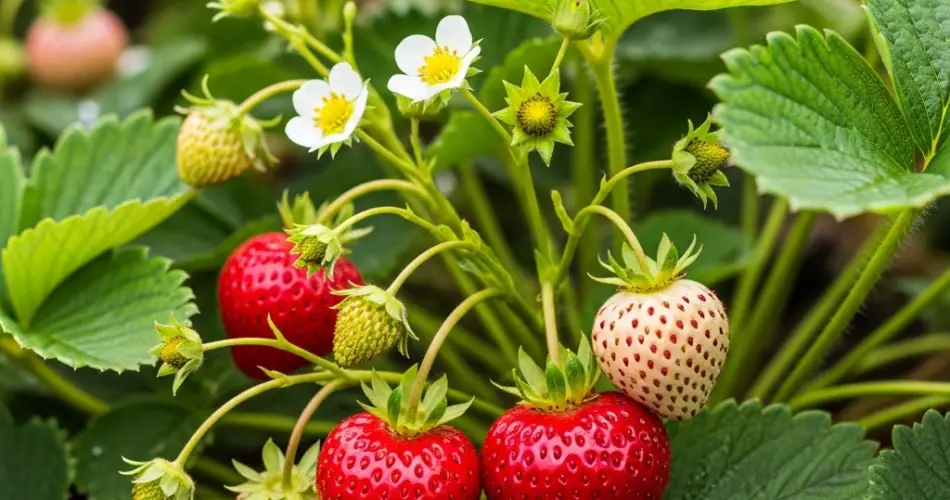
Growing strawberries organically is not only healthier for you and your family, but it’s also better for the environment. By skipping synthetic fertilizers and pesticides, you can enjoy sweet, juicy berries straight from your garden, free from chemical residues. With the right care and planning, it’s entirely possible to grow a thriving strawberry patch without relying on harmful treatments. Here’s how to grow strawberries naturally, using organic practices every step of the way.
1. Choose the Right Variety
Start by selecting strawberry varieties that are known for their disease resistance and strong growth habits. Some varieties are naturally better suited for organic cultivation because they can resist common pests and illnesses.
Recommended varieties for organic gardens:
-
Seascape – great for containers and known for its large, flavorful fruit
-
Albion – a day-neutral type with strong disease resistance
-
Honeoye – early-bearing and productive in many climates
-
Mara des Bois – prized for its intense, sweet flavor and fragrance
Choose a variety that suits your climate and whether you prefer everbearing, day-neutral, or June-bearing types.
2. Prepare Healthy, Nutrient-Rich Soil
Healthy soil is the foundation of successful organic gardening. Strawberries prefer slightly acidic soil (pH 5.5 to 6.5) that is well-draining and rich in organic matter.
How to prepare:
-
Mix aged compost or well-rotted manure into the soil before planting.
-
Consider adding natural amendments like bone meal (for phosphorus), blood meal (for nitrogen), or wood ash (for potassium), based on your soil test results.
-
Raised beds can help with drainage and keep roots healthy.
Good soil encourages strong roots, better disease resistance, and bigger harvests—without the need for synthetic fertilizers.
3. Plant at the Right Time and Spacing
Plant strawberries in early spring after the last frost. Space them about 12–18 inches apart, depending on the variety, and keep rows at least 2 feet apart.
Tips:
-
Plant so that the crown (where roots meet leaves) is just above the soil.
-
Mulch with straw or pine needles to suppress weeds, conserve moisture, and keep fruit clean.
Proper spacing and airflow reduce the risk of fungal diseases and pest problems.
4. Water Consistently and Naturally
Strawberries need consistent moisture, especially during fruiting. Water at the base of the plant to avoid wetting the leaves, which can encourage fungal diseases.
Best practices:
-
Use drip irrigation or a soaker hose if possible.
-
Water in the morning so leaves dry out during the day.
-
Keep the soil evenly moist but not soggy.
Avoid overhead watering, which can promote issues like powdery mildew and mold.
5. Feed With Organic Fertilizers
Feeding your plants helps them stay vigorous and productive. Organic options provide slow-release nutrients that support long-term health.
Natural fertilizers to use:
-
Compost tea
-
Fish emulsion
-
Seaweed extract
-
Aged manure
Apply organic fertilizers once a month during the growing season. Avoid overfeeding, as this can encourage leafy growth at the expense of fruit.
6. Manage Weeds Organically
Weeds compete with your strawberries for nutrients, water, and light. Keeping your beds weed-free is especially important in organic gardening.
Strategies:
-
Use mulch (like straw, shredded leaves, or bark chips) to smother weeds.
-
Hand-weed regularly, especially after rain.
-
Avoid tilling once plants are established, as it can disturb the roots and bring new weed seeds to the surface.
Mulching also provides an added bonus: it keeps berries off the ground and reduces rot.
7. Control Pests Naturally
One of the biggest challenges in growing strawberries without chemicals is dealing with pests like slugs, aphids, and spider mites. However, organic solutions can be very effective when used consistently.
Organic pest control tips:
-
Sprinkle crushed eggshells or diatomaceous earth around plants to deter slugs.
-
Attract beneficial insects like ladybugs and lacewings by planting flowers nearby.
-
Spray with neem oil or insecticidal soap to control aphids and mites.
-
Use row covers to keep flying pests like leafhoppers away.
Keeping the garden clean and rotating crops each year also helps minimize recurring pest problems.
8. Prevent Diseases Naturally
Fungal diseases like gray mold, powdery mildew, and leaf spot are common in strawberry beds. Preventing them is far easier than treating them.
Prevention tips:
-
Water early in the day and avoid wetting foliage.
-
Space plants properly for airflow.
-
Remove old leaves and any infected or rotting fruit.
-
Rotate strawberry beds every 3–4 years.
You can also apply a homemade organic fungicide, such as a baking soda spray, to help keep fungal issues in check.
Final Thoughts
Growing strawberries without chemicals may take a bit more attention and effort, but the rewards are well worth it. With rich soil, natural fertilizers, and organic pest and disease control methods, your strawberry patch can be productive, healthy, and safe to eat right off the vine. Embrace these practices, and you’ll be enjoying sweet, chemical-free strawberries all season long.


