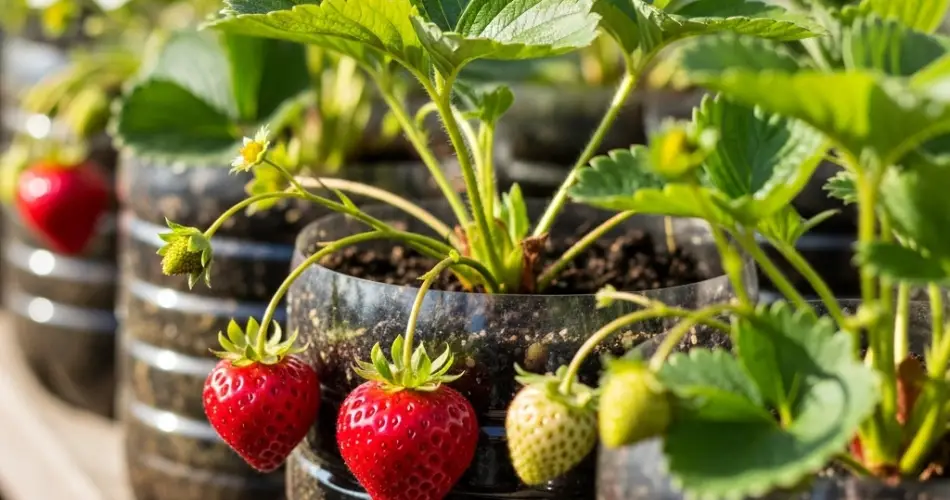

Strawberries are among the most popular and rewarding fruits to grow at home. Their sweet taste, vibrant color, and compact size make them perfect for container gardening—even in upcycled plastic bottles. Whether you live in a city apartment, have a small patio, or just want a fun, sustainable gardening project, growing strawberries in plastic bottles is a space-saving and eco-friendly way to enjoy fresh fruit all season long.
This method uses vertical or horizontal plastic bottle planters to provide the ideal environment for strawberry plants while maximizing limited space. Here’s how to get started and ensure a fruitful harvest.
Why Use Plastic Bottles?
Plastic bottles are often discarded as waste, but with a little creativity, they can become useful growing containers. They’re lightweight, easy to modify, and perfect for small-scale gardening. Growing strawberries in bottles offers several benefits:
-
Saves space with vertical or hanging designs
-
Reduces plastic waste through reuse
-
Allows for better control of soil and moisture
-
Makes gardening accessible even in small areas
What You’ll Need
To grow strawberries in plastic bottles, gather the following materials:
-
Plastic bottles (1.5L to 2L or larger)
-
Strawberry seedlings or runners (preferably everbearing or day-neutral varieties)
-
Quality potting soil with compost
-
Cutter or scissors
-
A nail or screwdriver (for drainage holes)
-
Twine or wire (for hanging, if desired)
-
Watering can or spray bottle
Optional: activated charcoal or stones for drainage, vertical support stand
Preparing the Bottles
1. Choose Your Setup: Vertical or Horizontal
You can grow strawberries in upright bottles (hanging or stacked vertically) or horizontally (laid flat). The vertical method works well for hanging gardens, while horizontal bottles are great for balconies or ledges.
2. Clean and Cut the Bottle
Wash each bottle thoroughly and remove labels. Depending on your chosen method:
-
Vertical setup: Cut a wide opening on one side to insert the soil and plant.
-
Horizontal setup: Cut out a rectangular panel on the side facing up.
3. Add Drainage Holes
Poke several small holes in the bottom for water drainage. For vertical stacking, also punch small holes near the base to allow water to trickle down through layers if stacking bottles on top of one another.
4. Optional Base Layer
Place small pebbles or charcoal pieces at the bottom to improve drainage and prevent root rot, especially if the bottle material retains moisture.
Planting the Strawberries
1. Fill with Soil
Use a light, well-draining potting mix enriched with compost. Fill the bottle about three-quarters full, gently pressing the soil down but not compacting it too tightly.
2. Transplant Seedlings
Insert strawberry seedlings into the bottle through the cut opening. Ensure that the crown of the plant (where the roots meet the leaves) is level with the soil surface. Avoid burying it too deep, as this may cause rot.
If planting in a vertical bottle with multiple holes cut along the sides, place the seedlings through these side slits so they can grow outward.
3. Water Gently
Water the soil until it is evenly moist but not soggy. Allow excess water to drain out from the bottom.
Caring for Your Bottle-Grown Strawberries
1. Sunlight
Strawberries love sunlight. Place your bottle garden in a spot that receives at least 6 hours of direct sun daily. A sunny windowsill, balcony, or hanging rail works well.
2. Watering
Keep the soil consistently moist. Water regularly, especially in warmer weather, but do not allow the roots to sit in water. In vertical setups, water from the top and let it trickle down to the lower plants.
3. Feeding
Feed the plants every 2–3 weeks with a diluted organic fertilizer or compost tea. Strawberries are light feeders, but occasional feeding will boost flowering and fruit production.
4. Pruning and Maintenance
Remove yellowing leaves and runners (unless you want to propagate more plants). Regular maintenance helps direct the plant’s energy toward fruit production.
Harvesting
Strawberries typically take about 4–6 weeks from flowering to ripen. Pick fruits when they are fully red, firm, and fragrant. Harvest in the morning when they’re cool and avoid pulling the berry directly—use scissors or pinch the stem gently to avoid damaging the plant.
Regular harvesting encourages the plant to produce more fruit throughout the growing season.
Tips for Success
-
Choose day-neutral or everbearing varieties for continuous harvests.
-
Rotate your bottles every few days to ensure even sunlight on all sides.
-
If your climate is hot and dry, place a thin mulch layer on top of the soil to retain moisture.
-
For hanging bottles, make sure they’re securely fastened to avoid tipping in the wind.
Final Thoughts
Growing strawberries in plastic bottles is a fun, practical, and environmentally friendly way to enjoy fresh fruit at home. It requires minimal space, reuses waste materials, and brings the satisfaction of harvesting your own produce—even from a windowsill or balcony. With just a bit of care and patience, your bottle garden will soon reward you with sweet, juicy berries that are as fresh as they come.


