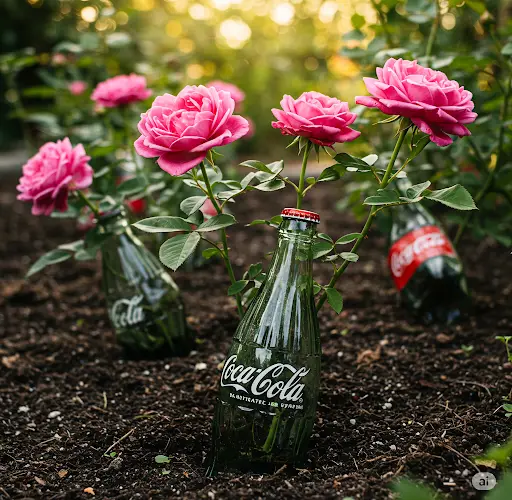
Growing roses at home doesn’t always require soil, fancy pots, or professional tools. With a little ingenuity, even something as ordinary as an empty Coke bottle can become the perfect vessel for propagating roses hydroponically. This simple, low-cost method allows rose cuttings to take root in water—and often surprisingly quickly.
Whether you’re short on space, want a cleaner alternative to soil propagation, or are simply curious to try something new, this method makes rose propagation accessible to all. All you need is a Coke bottle, clean water, and a healthy rose stem.
Why Use a Coke Bottle?
Coke bottles are ideal for hydroponic rose propagation for a few key reasons:
-
Transparency: The clear plastic lets you monitor root development in real time.
-
Reusability: Plastic bottles are widely available and easy to recycle for gardening.
-
Controlled environment: The narrow neck of the bottle helps hold the stem upright and limits exposure to air, reducing the risk of contamination.
-
Cost-effective: No need to purchase pots or rooting containers—just reuse what you already have.
The cylindrical shape also provides a stable water reservoir and helps maintain consistent moisture, which is crucial for root formation.
What You’ll Need
Before you begin, gather the following materials:
-
1 empty plastic Coke bottle (1 to 1.5 liters works best)
-
A healthy rose cutting (6–8 inches long)
-
Clean water (filtered or dechlorinated)
-
A sharp knife or scissors
-
Optional: Rooting hormone or natural alternatives (like honey)
-
Dark paper or aluminum foil
-
A warm spot with indirect sunlight
Step-by-Step Guide
1. Prepare the Rose Cutting
Select a healthy stem from an existing rose plant. The best choice is a semi-hardwood cutting—mature but still flexible. Using sharp scissors or a knife, cut a 6–8 inch section just below a node (the point where a leaf or bud emerges). Remove any flowers, buds, and the lower leaves, leaving only a couple of leaves at the top.
Optionally, dip the cut end in rooting hormone or honey to encourage faster root development.
2. Prepare the Bottle
Wash the Coke bottle thoroughly to remove any residue. Cut off the top third of the bottle using scissors or a knife. This will serve as your water container. Alternatively, if you want a cleaner look, you can make a small hole in the bottle cap and insert the rose cutting through the cap so it’s suspended in the bottle with its base in water.
3. Fill With Water
Fill the bottom portion of the bottle with clean, room-temperature water—enough to cover the lower 2–3 inches of the stem. Ensure that no leaves are submerged, as they can rot and spoil the water.
4. Insert the Cutting
Gently place the rose cutting into the bottle, ensuring the stem is submerged while keeping the upper part above water. If you’re using the cap method, make sure the stem is snug and supported. For an open-top bottle, you can stabilize the stem using cardboard, tape, or a small DIY holder.
5. Block Light to the Roots
Light can encourage algae growth and stress young roots. Wrap the lower half of the bottle with dark paper, cloth, or foil to block sunlight. This creates a more root-friendly environment and keeps the water cleaner.
6. Find the Right Spot
Place the bottle in a warm area with bright but indirect sunlight. Avoid harsh direct sun, which can heat the water and cause the cutting to wilt. An indoor windowsill with filtered light or a shaded corner of your balcony works well.
7. Maintain and Observe
Change the water every 3–4 days to keep it fresh and prevent bacterial buildup. If you see any discoloration or foul smell, rinse the bottle and refill it with fresh water. Monitor the cutting for any signs of rot and trim the base slightly if needed.
What to Expect
Within 10 to 14 days, you may notice tiny white root tips emerging from the submerged section of the stem. In 3 to 4 weeks, the roots should be long and strong enough to support transplanting into soil or continued hydroponic growth.
Once roots are well developed (at least a few inches long), you can either transfer the rose cutting into a pot with rich soil or continue growing it hydroponically using a diluted nutrient solution.
Tips for Success
-
Use clean tools and containers to avoid introducing bacteria.
-
Avoid overcrowding—propagate one cutting per bottle.
-
Dechlorinate tap water by letting it sit out overnight before using.
-
If algae begins to grow, increase shading and clean the bottle more often.
Final Thoughts
Growing roses hydroponically in a Coke bottle is more than a gardening experiment—it’s a creative, sustainable, and surprisingly effective way to propagate new plants. This method is perfect for those with limited space, minimal tools, or a desire to explore soil-free gardening. It’s also a fun project for both beginners and experienced plant lovers.
So next time you finish a soda, don’t toss the bottle. With a rose cutting and a little patience, you could turn that simple plastic container into the starting point of a thriving new bloom.


